


Sign up now and see the future
Don’t miss innovations from the cutting edge of science and technology
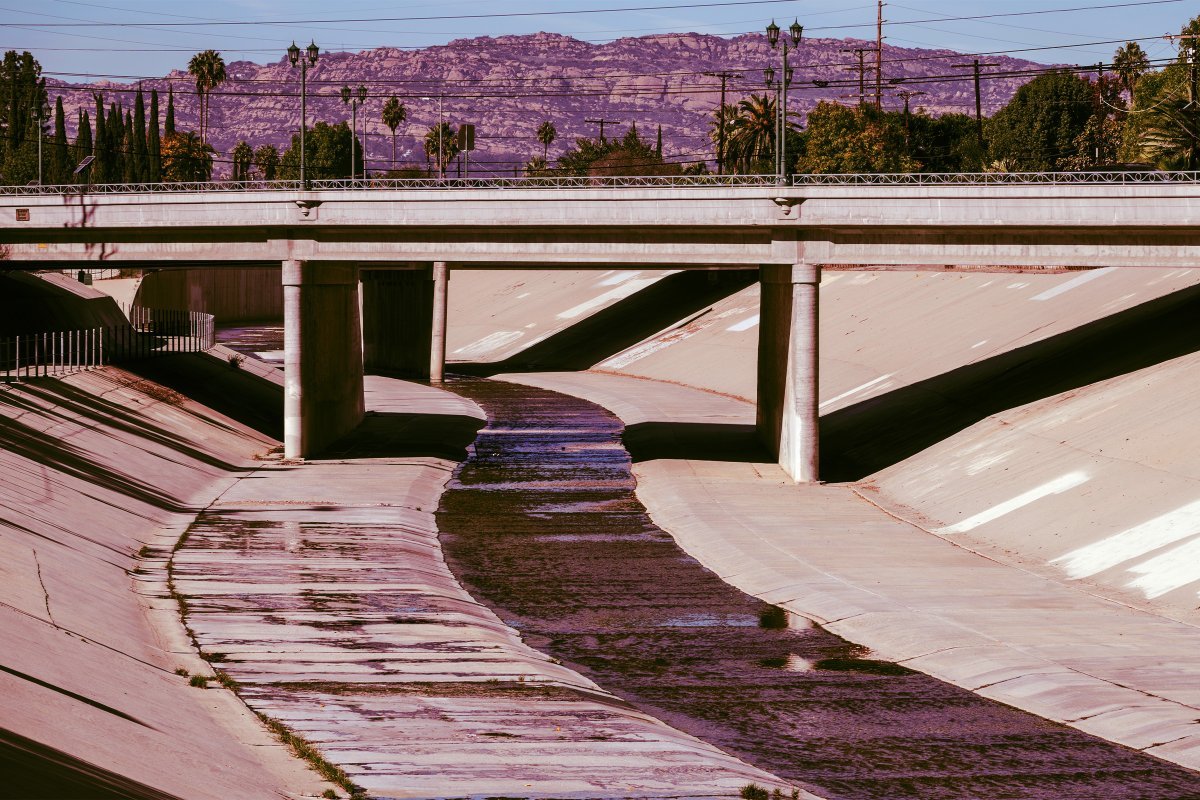
There’s something monster lurking in California’s waterways, and it’s not Sacramento’s Mothman.
Roughly half of California’s water is contaminated by PFAS, also known as “forever chemicals” because of their incredibly long lifespans, according to a new analysis by the nonprofit Environmental Working Group. EWG’s report, compiled using state and federal data, found that up to 50 percent of surface water samples and 45 to 55 percent of sediment samples were contaminated with PFAS from pesticides.
“These findings suggest that pesticides may be exposing millions of Californians to PFAS in their water and soil,” the EWG researchers wrote. “To make matters worse, PFAS do not fully degrade in the environment, so exposure can last for generations.”
While PFAS is necessarily a broad category, the various substances within PFAS have been linked to changes in immune and liver function, increased risk of cancer, and pregnancy complications, among other health issues. When it comes to agricultural toxicants, at least 60% of active ingredients approved for use as pesticides are classified as PFAS.
“If PFAS pesticides are detected so frequently in our limited surface water and sediment testing, the true scale of this contamination is almost certainly much larger,” Bernadette Del Chiaro, EWG’s senior vice president, said in a statement. “We have to stop intentionally spraying our crops with these toxic chemicals.”
Varun Subramaniam, an EWG analyst and one of the report’s co-authors, said: guardianthe results are “alarming but not surprising.”
“It’s alarming that we’re finding such levels of PFAS pesticides,” Subramaniam explains, but cautions: “They are used at such high rates in agricultural crops that it makes sense that PFAS pesticides would be present in rivers and sediments.”
Another study last year found that farms across California spewed an average of 2.5 million pounds of PFAS onto their crops each year from 2018 to 2023.
but, guardian The researchers note that they only tested streams in 10 of California’s 58 counties and found that PFAS concentrations were highest in heavily agricultural areas. (It’s no surprise that these industrial farms are also a major source of rodenticide contamination that turns wild animals’ organs blue.)
Putting all this together, it is clear that California agriculture has a serious pollution problem, one that is undoubtedly being replicated in much of the United States.
Learn more about pollution: The military base that is home to Air Force One has leaked 32,000 gallons of jet fuel into the Potomac River over the past few months.
