


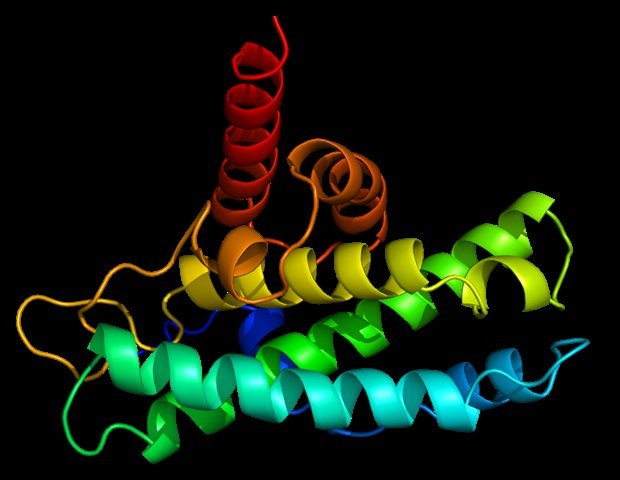
A protein best known for promoting cancer growth can also help tumor cells survive by repairing their DNA, according to a new study that could impact how some cancers are treated.
Researchers at Oregon Health & Science University have discovered that the protein MYC, which is overactive in most human cancers, plays a direct role in repairing dangerous breaks in DNA. This protein helps cancer cells survive chemotherapy and other treatments that damage DNA, potentially contributing to tumor resistance and poor patient outcomes.
The findings of this study were announced today. genes and developmentblocking this repair process could open the door to new treatments that make cancer treatment more effective.
Our research shows that MYC not only helps cancer cells grow, but also helps them resist some treatments aimed at killing them. ”
Dr. Rosalie Sears, Senior Author, Krista L. Lake Cancer Research Chair, Co-Director of the OHSU Brenden Colson Center for Pancreatic Care
Dr. Gabriel Cohn is the study’s lead author. Currently a postdoctoral researcher at the University of Wurzburg, he conducted his research as a student in the Sears lab at OHSU.
“These findings are particularly relevant for aggressive cancers such as pancreatic cancer, where MYC activity is often very high,” he said. “Tumor cells in these cancers experience significant DNA damage and replication stress, yet they survive and continue to grow. Our study suggests that MYC helps these cells cope with that stress by actively promoting DNA repair.”
MYC is one of the most studied cancer-associated proteins because it is overactive in most human cancers. Scientists have known for decades that MYC acts in the nucleus of cells to turn on genes and promote growth and metabolism.
But new research reveals an unexpected role. When DNA is damaged, whether by the stress of rapid growth or chemotherapy, a modified form of MYC moves directly to the damaged DNA and helps recruit repair mechanisms.
“This is a nontraditional or casual role for MYC,” Sears said. “Rather than controlling gene activity, it physically goes to the site of DNA damage and helps introduce repair proteins.”
This ability allows cancer cells to repair breaks in their DNA and survive situations that would otherwise kill them.
DNA damage
DNA repair is normally a healthy process, but it becomes problematic in cancer treatment. Many standard treatments, including chemotherapy and radiation therapy, cause severe damage to DNA that makes cancer cells unable to survive.
When MYC helps cancer cells repair damage, it can make treatments less effective.
“Cancer treatments often rely on overwhelming tumor cells with DNA damage,” Professor Sears said. “If cancer cells are better at repairing that damage, they can withstand treatment and continue to proliferate.”
The study showed that cells with active, modified forms of MYC have a greater ability to repair DNA and are more likely to survive under stressful conditions, such as exposure to DNA-damaging agents.
This effect was particularly pronounced in pancreatic cancer, one of the deadliest cancers. Using patient-derived pancreatic cancer cell and tumor data, researchers found that tumors with high MYC activity also showed signs of increased DNA repair, which was associated with worse patient outcomes.
The findings help explain why some tumors resist chemotherapy and radiation therapy. Both of these therapies work by overwhelming cancer cells with DNA damage. By rapidly repairing that damage, tumors caused by MYC may be able to withstand treatments that would otherwise kill them.
“In the case of pancreatic cancer, MYC appears to help the tumor withstand extreme stress,” Dr. Sears said. “That stress is caused by rapid growth, poor blood supply, and chemotherapy.”
accurate target
Importantly, this study supports OHSU’s continued efforts to target MYC in cancer patients, something long thought impossible.
MYC is often described as “undruggable.” This means that its structure is less susceptible to drug binding and difficult to block safely without harming normal cells. But Sears and his colleagues think this newly discovered repair-related function could provide more precise targeting.
“MYC is one of the two most important oncogenes in all human cancers,” Sears said. “If we can disrupt MYC’s role in DNA repair without blocking all of its functions in healthy cells, we may be able to make cancer cells more amenable to treatment.”
At OHSU, researchers are already studying a first-in-class MYC inhibitor in a “window of opportunity” trial. The trial is a short-term study that will take biopsies of patients with advanced pancreatic cancer before and after taking a drug called OMO-103, with the goal of understanding how inhibiting MYC affects tumors in real patients.
sauce:
Oregon Health & Science University
Reference magazines:
Corn GM, others. (2026). Phosphorylation of MYC serine 62 promotes binding to DNA double-strand breaks and promotes repair and cell survival under genotoxic stress. genes and development. DOI: 10.1101/gad.352832.125. https://genesdev.cshlp.org/content/early/2026/05/14/gad.352832.125
