


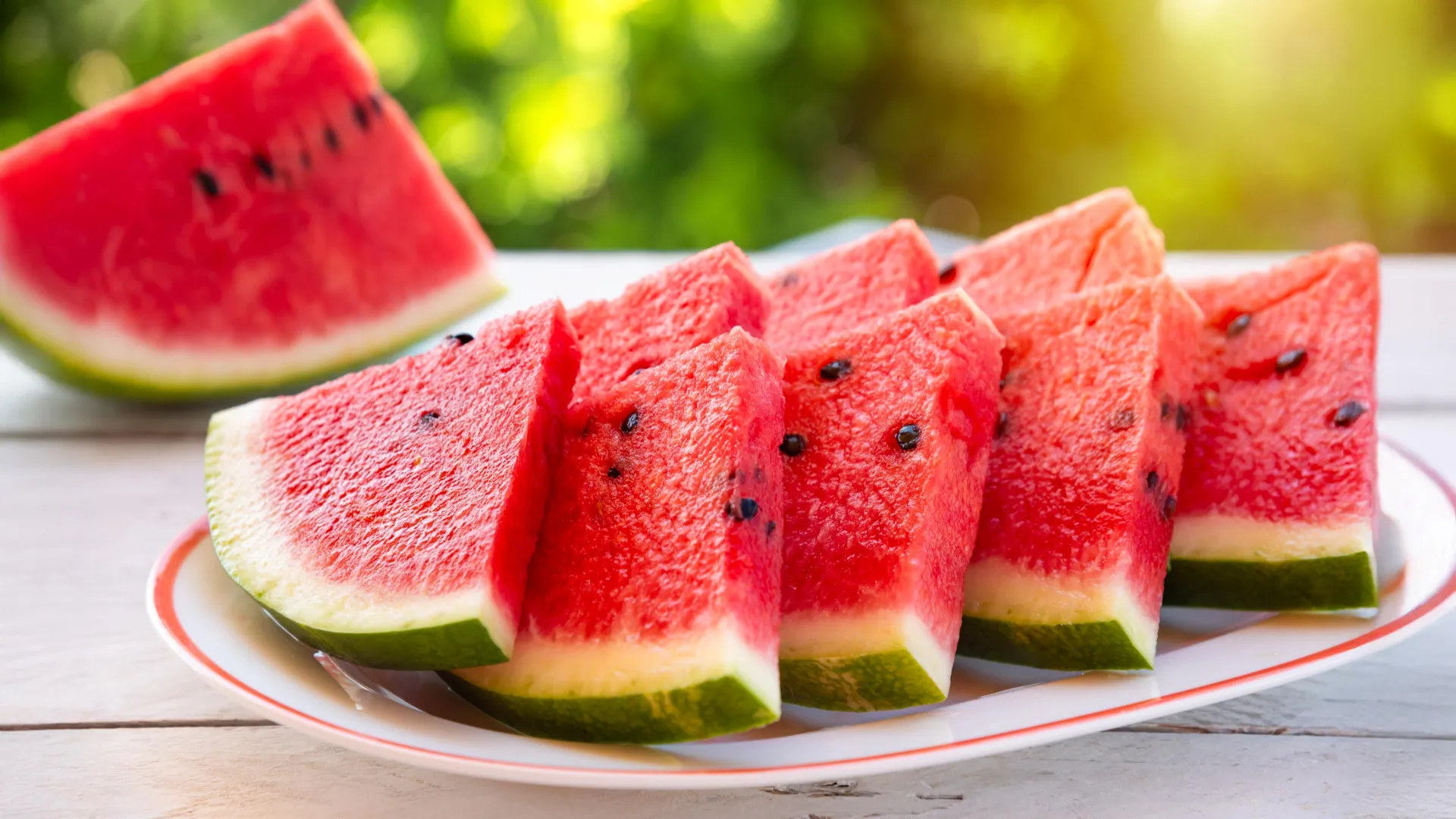
Watermelon has long been a summer favorite, but research shows this refreshing fruit may have benefits far beyond hydration. Research published in nutrients It turns out that people who regularly eat watermelon tend to have a healthier overall diet and may also improve heart and blood vessel function.
Researchers say watermelon contains an impressive combination of nutrients, antioxidants, and natural compounds related to cardiovascular and metabolic health. Its high water content and low calories make it easy to add fruit to your diet.
Watermelon is associated with improved diet quality
One study looked at data from the National Health and Nutrition Examination Survey (NHANES) and compared the diets of watermelon eaters and non-watermelon eaters across the United States. The analysis found that both children and adults who consumed watermelon had higher quality diets overall.
The results showed that watermelon consumers consumed more dietary fiber, magnesium, potassium, vitamin C, vitamin A, lycopene, and other carotenoids. At the same time, the intake of added sugars and saturated fats was also reduced. This research was originally nutrients In 2022.
This combination is noteworthy because many Americans still struggle to meet recommended fruit intake goals. The Dietary Guidelines for Americans (DGA) recommends 1.5 to 2.5 cups of fruit each day, but most adults and children only consume about half of that.
Compounds in watermelon may support heart health
Another clinical trial from Louisiana State University investigated whether watermelon juice could help protect blood vessel function during elevated blood sugar levels. This randomized, double-blind, placebo-controlled, crossover study involved 18 healthy young adults who consumed watermelon juice daily for two weeks.
The researchers focused on two natural watermelon compounds involved in the production of nitric oxide: L-citrulline and L-arginine. Nitric oxide helps relax and dilate blood vessels, which is an important part of healthy circulation and cardiovascular function.
This study found evidence that watermelon juice consumption helps maintain blood vessel function during hyperglycemia and influences heart rate variability.
“Although we acknowledge that the sample size was small (18 healthy young men and women) and further research is needed, this study adds to the current body of evidence supporting regular consumption of watermelon for cardiometabolic health. In addition to L-citrulline and L-arginine, watermelon is a rich source of antioxidants, vitamin C, and lycopene, all of which reduce oxidative stress and help prevent heart disease,” said Dr. Jacques Rosso. Ph.D., Professor, Department of Nutrition and Food Sciences, Louisiana State University.
Continue to explore benefits with follow-up studies
Since these studies were published, additional reviews and meta-analyses have continued investigating watermelon’s role in vascular and metabolic health. Researchers report that watermelon consumption and L-citrulline supplementation may improve measures related to vascular flexibility and circulation, such as pulse wave velocity and endothelial function.
Scientists are particularly interested in watermelon because it is one of the richest natural food sources of L-citrulline. Recent reviews have highlighted the fruit’s potential role in supporting nitric oxide production, healthy blood flow, and cardiovascular function, but experts stress that large-scale long-term studies are still needed.
Watermelon is also rich in lycopene, a powerful antioxidant associated with reduced oxidative stress and potential heart health benefits. Red watermelon varieties tend to contain particularly high levels of lycopene.
Hydrating, low calorie fruits
Beyond the research buzz, watermelon remains a nutritious fruit that’s easy to enjoy year-round. Two cups contain just 80 calories and provide 25% of your daily value for vitamin C and 8% of your daily value for vitamin B6. Approximately 92% is composed of water, making it ideal for hydrating in hot weather or after exercise.
Whether served at a summer barbecue, blended into a smoothie, or added to a salad, watermelon is an easy way to increase your fruit intake while adding vitamins, antioxidants, and hydration to your diet.
