


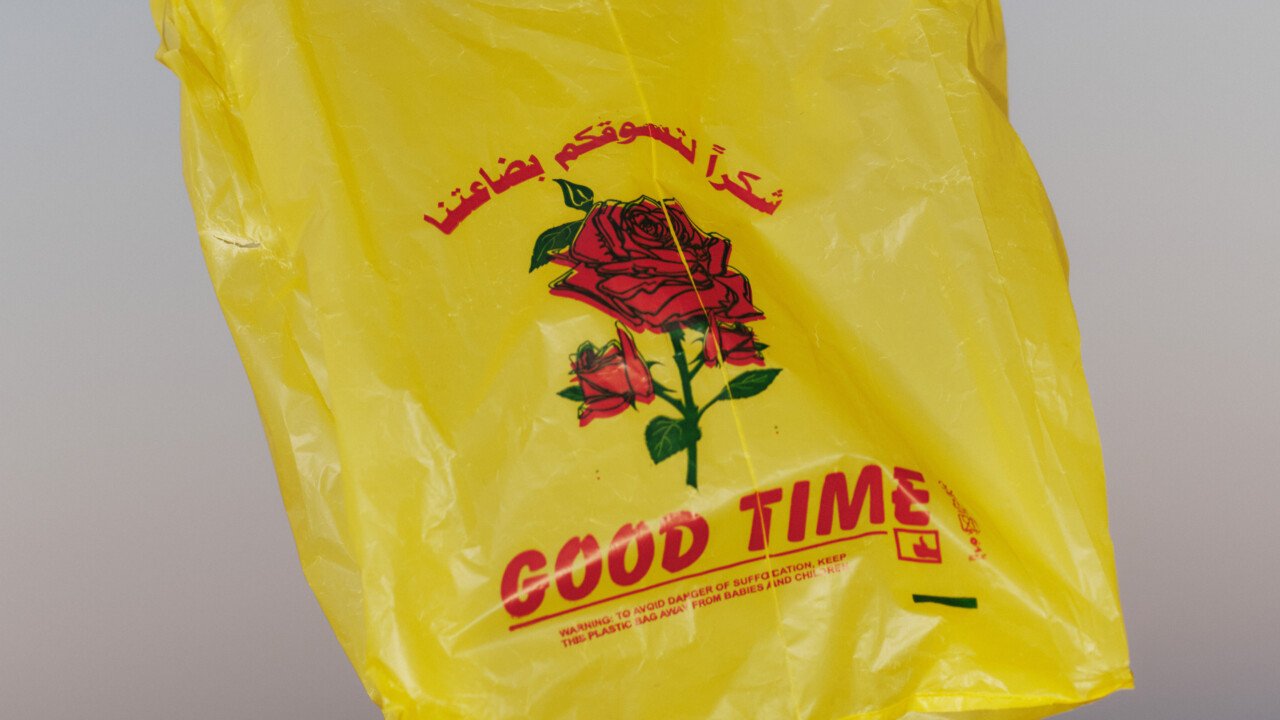
Reduce, reuse, recycle: This is a mantra that almost all of my generation learned along with nursery rhymes and lessons about being polite to our friends and the planet. But as we made clear in a previous newsletter, this phrase sounds a little hollow. That’s because the vast majority of plastics produced are never recycled, and an even smaller percentage are recycled multiple times.
Recycling has historically operated as a market, where certain plastics have value and companies pay to turn recyclable products into other goods. However, not all plastics are valued equally. Clear plastics such as water bottles are traded more on the market than colored plastics used in products such as white milk jugs, meaning much of the latter goes directly to landfill. Additionally, recyclable plastics also have an expiry date. Very few types can be recycled more than once. The last 10 cycles are even fewer before the polymer chain is broken.
Since the plastic boom, the world has been faced with the problem of what to do with unwanted bags, bottles, straws and other single-use items that no longer serve their intended purpose. Several cities and states are already holding manufacturers accountable for making false marketing promises regarding plastics.
But there is another way of thinking. If so much plastic ends up in a landfill after just one use, how can we stop that plastic from being made in the first place?
California’s new regulations aim to address this. Official rules for the Plastic Pollution Prevention and Packaging Manufacturer Responsibility Act, also known as Senate Bill 54, were signed into law on May 1 and went into effect, placing the onus on plastic manufacturers to ensure that 100% of single-use packaging and plastic food services sold in the state are recyclable or compostable by 2032.
Similar laws have been passed in Maryland, Oregon, Colorado, Maine, Washington, and Minnesota. But California’s bill is already facing controversy.
