


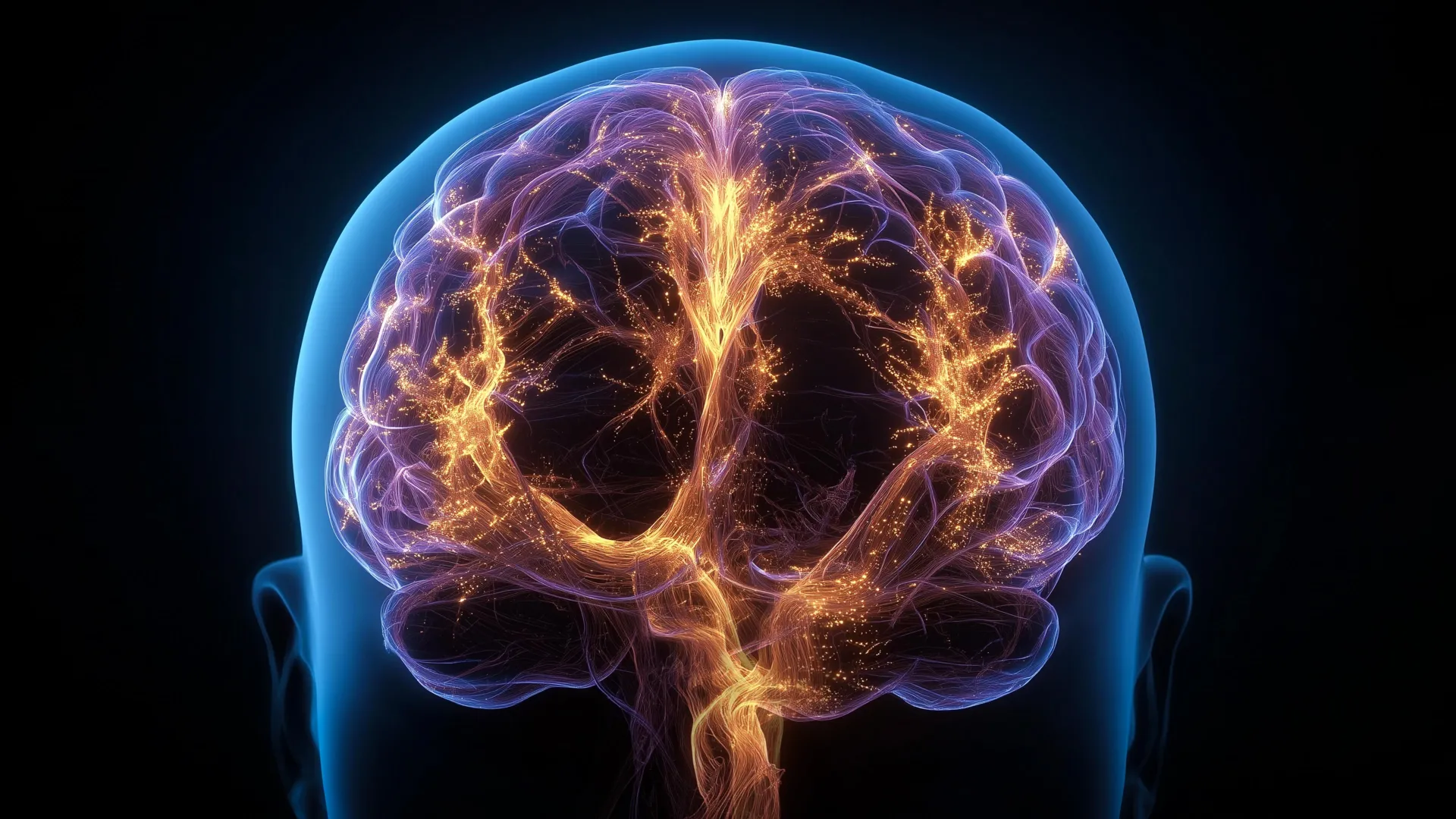
Neuroscientists have identified measurable brain differences between people with psychopathic traits and people with few or no psychopathic traits. In a study published in Psychiatric Research Journalresearchers from Nanyang Technological University (NTU Singapore) in Singapore, the University of Pennsylvania, and California State University found that brain regions involved in reward and motivation were larger in people with psychopathic traits.
Using magnetic resonance imaging (MRI), the research team found that the striatum of psychopaths was on average about 10 percent larger compared to controls. The striatum is located deep in the forebrain and plays a role in motor planning, decision-making, motivation, reinforcement, and how the brain responds to rewards.
Psychopathy is generally associated with egocentric and antisocial personality patterns. People with strong psychopathic traits have less empathy, less remorse for harmful actions, and are more likely to commit criminal acts in some cases. Although not all people with psychopathic traits commit crimes, and not all people who commit crimes are psychopaths, research consistently associates psychopathy with a higher risk of violent behavior.
A larger reward center in the brain
Previous research has suggested that the striatum may be abnormally activated in psychopaths, but it was unclear whether the size of this brain region also played a role. of Psychiatric Research Journal This finding added evidence that psychopathy is not shaped solely by social and environmental experiences. Biology may also play a role.
To investigate this link, researchers scanned the brains of 120 people in the United States. They also interviewed participants using the Psychopathy Checklist – Revised Edition, a widely used psychological assessment designed to measure psychopathic traits.
Associate Professor Olivia Choi, a neurocriminologist at NTU’s Faculty of Social Sciences and a co-author of the study, said: “Our findings help advance knowledge about what underlies antisocial behaviors such as psychopathy. We found it important to consider that in addition to the influence of the social environment, there may be differences in biology, in this case the size of brain structures, between antisocial and non-antisocial individuals.”
The findings could help researchers better understand how biology contributes to antisocial and criminal behavior. Over time, that knowledge could help refine behavioral theories and inform future approaches to policy, prevention, and treatment.
What the striatum reveals about risk and reward
The striatum is part of the basal ganglia, a group of neuron clusters located deep in the brain. The basal ganglia receive information from the cerebral cortex and help control thinking, social behavior, and the ability to decide which sensory information is worthy of attention.
Over the past two decades, scientists have increasingly recognized that the striatum is not only involved in movement and reward. It may also be associated with difficulties with social behavior and social functioning.
By comparing MRI scans and psychopathy assessments, the researchers found that larger striatum was associated with a stronger desire for stimulation, including thrill-seeking, excitement, and impulsive behavior. In the published study, stimulus seeking and impulsivity partially explained the relationship between striatal volume and psychopathy, accounting for 49.4 percent of the association.
“Because biological characteristics such as striatum size can be passed from parent to child, these findings lend further support to the neurodevelopmental perspective of mental illness, which means that the brains of these offenders do not develop normally throughout childhood and adolescence,” said study co-author Adrian Raine, a professor in the Department of Criminology, Psychiatry, and Psychology at the University of Pennsylvania.
Characteristics of psychopaths outside of prison
One important feature of this study is that it does not focus solely on the prison population, but also includes people in the community. This has helped researchers examine psychopathic traits in a broader group of individuals.
“The use of psychopathy checklists – as revised in community samples – remains a novel scientific approach that helps us understand psychopathic traits not in people in prisons and jails, but in people who walk around us every day,” said co-author of the study Robert Schug, a professor in the Department of Criminology, Criminal Justice, and Emergency Management at California State University, Long Beach.
The researchers also tested 12 women in the study sample. They reported for the first time that psychosis is associated with striatal hypertrophy in adult women as well as men. The finding requires further research because the sample of women was small, but it suggests that the same brain patterns may not be limited to men.
In typical human development, the striatum tends to shrink as the child grows. This pattern raises the possibility that psychopathy is related to differences in brain development from childhood to adolescence.
Brain development and environment may both be important
Associate Professor Choi added, “A deeper understanding of striatal development is needed. Many factors may be involved in why some individuals are more prone to psychopathic traits than others. Psychopathy may be associated with structural brain abnormalities that may be developmental in nature. At the same time, it is important to recognize that the environment can also influence the structure of the striatum.”
Professor Raine added: “Psychopaths have always been known to go to extreme lengths to seek rewards, including criminal acts involving property, sex and drugs. We are now uncovering the neurobiological basis of this impulsive and arousing behavior in the form of enlargements of the striatum, a key region of the brain involved in reward.”
This research Psychiatric Research Journal With the title “Large striatal volume is associated with increased psychopathy in adults.”
Subsequent studies have pointed to a broader brain network
Since the 2022 paper, subsequent studies have continued to investigate how psychopathology is related to brain structure and brain networks. Survey in 2025 European Archives of Psychiatry and Clinical Neuroscience In a study of 39 adult men diagnosed with psychopathy, they found that antisocial lifestyle traits were associated with reduced volume in several brain regions, including the basal ganglia, thalamus, basal forebrain, pons, cerebellum, orbitofrontal cortex, dorsolateral frontal cortex, and parts of the insular cortex. The researchers concluded that these findings indicate a disruption of fronto-subcortical circuits involved in behavioral control.
Another analysis for 2025 Neuroscience and Biobehavioral Reviews Thirty-eight functional neuroimaging studies on psychopathy were reviewed. Although individual studies often pointed to different brain locations, the findings appeared to map to a shared functional brain network, including the default mode network and subcortical regions. The authors argued that psychopathology may be better understood by looking at the level of brain networks rather than focusing on just one region.
Taken together, these later findings add nuance to striatal research in 2022. The enlarged findings in the striatum remain an important clue, especially given the role of the striatum in reward, stimulation, and impulsivity. However, psychopathy is thought to reflect broader patterns of brain differences, including motivation, emotional processing, impulse control, and social behavior.
“By replicating and extending previous research, this study increases confidence that psychopathology is associated with structural differences in the striatum, a brain region important in a variety of processes important for cognitive and social functioning. Future research will be needed to understand the factors that may contribute to these structural differences,” said Andrea Glenn, associate professor of psychology at the University of Alabama, who was not involved in the 2022 study.
Scientists are still working to understand why the striatum enlarges in people with psychopathic traits. Future research may help uncover how genes, development, life experiences, and environment interact to shape brain systems involved in reward seeking, impulse control, and antisocial behavior.
