


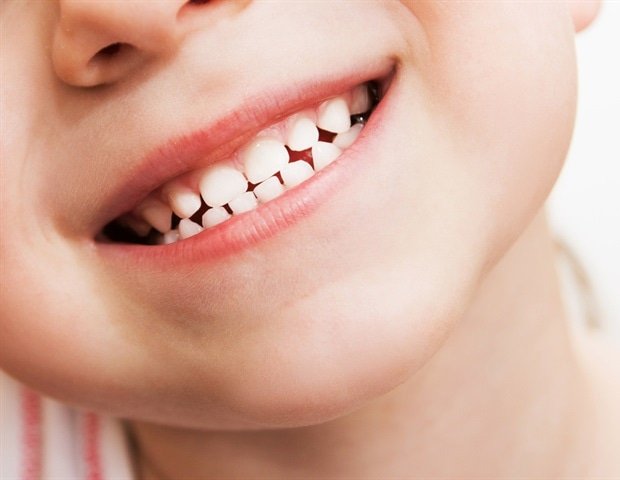
Researchers at the Icahn School of Medicine at Mount Sinai report that exposure to common environmental metals during childhood can affect brain development and behavioral health more than a decade later. This research scientific progressis the first study to combine naturally shed baby teeth with advanced brain imaging to pinpoint specific weeks during pregnancy and infancy when the developing brain appears to be most vulnerable to environmental exposures.
This study provides compelling new evidence that environmental conditions during the first few months of life can leave measurable ‘fingerprints’ on adolescent brains, highlighting the importance of environmental protection for pregnant people and infants.
Baby teeth as a biological record of childhood
The researchers analyzed naturally shed primary teeth of children enrolled in the PROGRESS birth cohort in Mexico City. The study is a multinational study established in 2007 that follows children from pregnancy through adolescence to understand how social and chemical environmental exposures shape health across the life course.
The researchers used a specialized method developed at Mount Sinai to reconstruct weekly exposure to a list of nine metals from the second trimester of pregnancy to the first year of life. These exposure timelines were correlated with brain MRI scans and behavioral assessments conducted several years later.
Baby teeth provide a unique biological record of childhood. These provide us with a window into the fetal and early postnatal environment with weekly temporal resolution, which is not possible with other technologies. ”
Manish Arora, BDS, MPH, PhD, Edith J. Baerwald Professor and Associate Professor in the Department of Environmental Medicine, Icahn School of Medicine at Mount Sinai, and corresponding author of this study
Key findings and data points
The study included:
- 489 children with detailed data on exposure to primary teeth
- 395 of these children completed behavioral assessments
- 191 of these participants completed brain magnetic resonance imaging scans
Baby teeth begin to form in layers like tree rings. in the womb. As they develop, they take in trace amounts of metals circulating in the body. Researchers can use laser-based analysis to reconstruct the timeline of metal intake during pregnancy and early infancy. In this study, the researchers identified two key periods in early infancy when exposure to metal mixtures was most strongly associated with later behavioral differences.
- 4-8 weeks after birth
- 32-42 weeks old
During these periods, increased exposure to metal mixtures was associated with increased behavioral symptom scores, including anxiety, attention, and mood-related challenges. For example, the strongest association occurred in late infancy (32–42 weeks) with a measurable increase in behavioral symptom scores (β = 0.15, 95% CI 0.004–0.28). Approximately 4 percent of children had behavioral scores within the clinical range. This means their symptoms are severe enough to be considered a mental health concern. These scores are based on the Behavioral Symptom Index (BSI). This is the core composite measure of the Behavioral Assessment System for Children, Second Edition (BASC-2), a parent-completed behavioral assessment.
Brain scans have shown that children exposed to high levels of metal mixtures early in life have measurable differences in how their brains develop and how brain regions communicate with each other.
Environmental health and climate impacts
Many of the metals studied, such as manganese, zinc, magnesium, and lead, are commonly encountered through food, drinking water, and the built environment.
“This study shows that when exposure occurs is just as important as what it is,” said lead author Megan K. Horton, Ph.D., MPH, professor of environmental medicine at the Icahn School of Medicine at Mount Sinai. “Our findings shift prevention from concerns about widespread exposure in early childhood to protecting children during specific high-risk periods.”
Lead author Dr. Elsa Rechtman, assistant professor of environmental medicine at the Icahn School of Medicine at Mount Sinai, emphasized the importance of the broader environment:
“What surprised us most was how precisely these windows of vulnerability emerged. Exposures that occurred for just a few weeks, especially in early infancy, were associated with measurable differences in brain structure, connectivity, and behavior more than a decade later. These findings highlight how environmental policies that reduce metal exposure during pregnancy and infancy can have lifelong benefits for brain health.”
Dr. Arora added, “These results suggest that environmental regulations and public health policies may need to focus more specifically on protecting pregnant women and infants from metal exposures in food, water, and housing.”
What this means for families and clinicians
This finding does not suggest that a single exposure will determine a child’s future. Rather, it shows that reducing exposure to environmental metals during pregnancy and infancy may support healthier brain development.
Here are some simple steps that may help reduce your exposure.
- Ensuring safe drinking water
- Careful meal preparation and procurement
- Reduce exposure to known environmental metal sources
For clinicians, this study highlights the importance of considering environmental history when assessing long-term behavioral and mental health risks.
A new era of environmental brain research
This study represents an important step toward precision environmental hygiene and moves research from general childhood exposures to identifying specific developmental periods when prevention is likely to be most effective.
Future research will aim to expand the range of chemicals that can be measured in primary teeth, validate the results in a larger U.S. population, and inform policies and interventions that protect children during the most sensitive stages of brain development.
sauce:
Mount Sinai Health System
Reference magazines:
Rechtman, E. others. (2026). Changes in brain function related to fetal and postnatal metal metabolism are associated with behavioral disorders in childhood. Science progresses. DOI: 10.1126/sciadv.adz1340. https://www.science.org/doi/10.1126/sciadv.adz1340
