


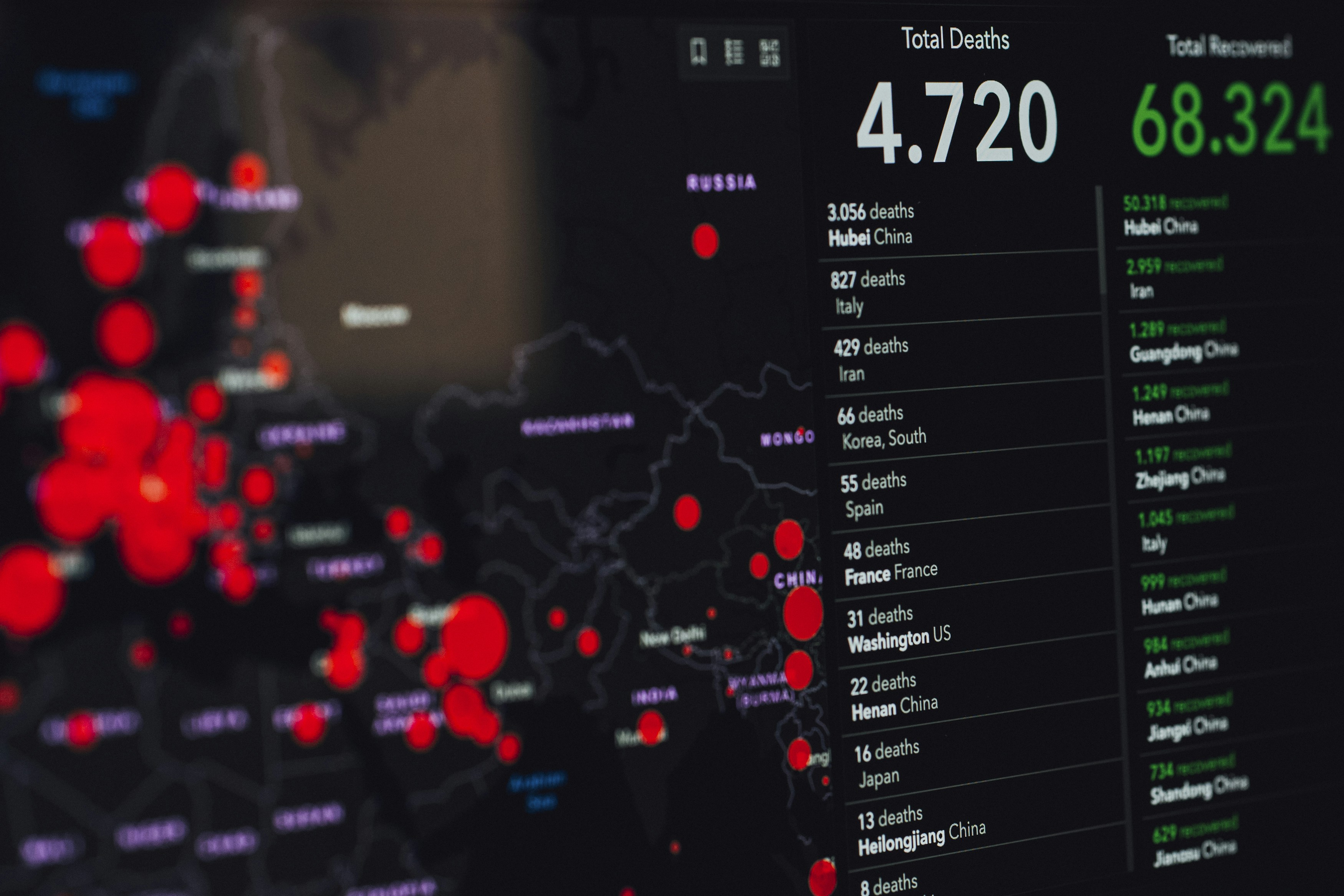
Public health trends 2026 signal a pivotal shift toward predictive analytics and integrated care models to address escalating demands on population health management. Healthcare organizations face pressure from value-based reimbursements and regulatory changes, prompting adoption of AI-driven tools for real-time insights into patient risks and care gaps, as outlined in leading analyses of quality improvement strategies Top 5 Trends in Quality Improvement and Population Health for 2026.
Core challenges dominate these public health trends 2026: chronic disease management for conditions like hypertension, diabetes, and cardiovascular disease remains central due to high prevalence and costs. Maternal health outcomes, behavioral health integration, and preventive screenings—such as cancer detection and immunizations—anchor federal priorities. Social determinants of health (SDOH) exacerbate disparities, necessitating equity-focused interventions that blend clinical data with community factors.
Behavioral health and substance use disorders demand urgent attention amid rising overdoses, while health equity metrics reveal persistent access gaps. Manual quality reporting burdens clinicians, but full-population automation via AI-enabled natural language processing promises accuracy and efficiency.
Opportunities abound for epidemiologists and officials: CMS’s Merit-based Incentive Payment System (MIPS) evolves toward meaningful measures and multiple performance measures (MVPs), fostering proactive programs. AI governance frameworks ensure ethical deployment, combating bias and drift.
For global health NGO leaders, these public health trends 2026 underscore integrating SDOH with infectious disease surveillance and One Health approaches to bolster community health outcomes amid emerging threats.
Strengthening Disease Outbreak Preparedness Through One Health and Local Capacity
Public health trends 2026 underscore the urgency of disease outbreak preparedness amid resurgent threats like mpox, viral hemorrhagic fevers (VHFs), and climate-amplified vector-borne diseases. Experts identify six major risks shaping the year, including conflict-driven outbreaks and arbovirus expansion due to warming temperatures and flooding, which could increase dengue cases by millions Six major health threats that could shape 2026.
PAHO Director Dr. Jarbas Barbosa emphasized that pandemics originate locally, stressing investments in health workforce, labs, surveillance, and primary care to contain outbreaks before global spread. In 2025, PAHO analyzed 1.8 million signals, detecting 128 events like yellow fever and Oropouche, proving local capacity’s role in resilience Local capacity key to ensure global pandemic preparedness.
CDC’s NCEZID Global Health Strategy prioritizes One Health for high-threat pathogens: VHFs like Ebola and Marburg, mpox, and vectors for yellow fever and dengue. Goals include diagnostic capacity in key countries and vaccine effectiveness assessments to prevent U.S. importation NCEZID Global Health Priorities 2023-2026.
The One Health approach, uniting human, animal, and environmental sectors, counters zoonoses comprising 60% of infections. WEF calls for multisectoral collaboration against AMR and climate impacts, as seen in Indonesia’s avian flu surveillance and Tonga’s vector workshops How to strengthen collaboration to tackle infectious disease.
STAT highlights 2026 watches: vaccine policy shifts, mpox persistence, and bird flu risks, demanding robust infectious disease surveillance and local capacity building. Integrating these into public health trends 2026 ensures global health security and community health outcomes.
Strategic Policies for Improving Community Health Outcomes
Public health trends 2026 call for bold policies to elevate community health outcomes amid chronic disease burdens and emerging infectious risks. HHS FY2026 Performance Plan outlines targeted strategies for diabetes management, rural health equity, and public health resilience, addressing social determinants of health through integrated care models HHS FY2026 Performance Plan.
Equity-focused interventions are paramount. Intermountain Health’s 2026 implementation strategy prioritizes mental health services, SDOH screening, and community partnerships to mitigate disparities in access and outcomes, serving as a model for scalable population health management Alta View Implementation Strategy 2026.
Surveillance enhancements drive proactive disease outbreak preparedness. CDC’s Public Health Data Strategy milestones for 2025-2026 emphasize advanced analytics and infectious disease surveillance, enabling epidemiologists to track antimicrobial resistance and vector-borne diseases in real-time PHDS Milestones 2025-2026.
To combat AMR and viral hemorrhagic fevers, policies must integrate One Health approaches with AI in public health for predictive modeling. Global funding via Gavi’s mechanisms and PAHO’s local capacity building ensures pandemic preparedness, preventing costly outbreaks.
Key recommendations:
- Mandate SDOH integration in chronic disease management programs.
- Expand global health security funding for local labs and workforce training.
- Leverage tech trends like AI governance to automate health equity metrics.
Embedding these in public health trends 2026 fosters resilient communities, aligning policy with data-driven global health security.
Sources
- https://healthcareinnovationsolutions.com/top-5-healthcare-quality-population-health-trends-2026/
- https://www.paho.org/en/news/26-3-2026-local-capacity-key-ensure-global-pandemic-preparedness-paho-director-says-new-york
- https://www.gavi.org/vaccineswork/six-major-health-threats-could-shape-2026-heres-what-experts-are-watching
- https://www.cdc.gov/ncezid/media/pdfs/2025/NCEZIDGlobalHealthStrategy508.pdf
- https://www.weforum.org/stories/2026/04/strengthen-global-health-collaboration-infectious-disease/
- https://www.statnews.com/2025/12/26/public-health-2026-issues-to-watch/
- https://intermountainhealthcare.org/-/media/files/intermountain-health/community-benefit/chis-2026/alta-view-implementation-strategy_2026.ashx
- https://www.hhs.gov/sites/default/files/hhs-fy-2026-performance-plan.pdf
- https://www.cdc.gov/public-health-data-strategy/php/about/phds-milestones-2025-and-2026.html
- https://medwatchdaily.com/emerging-trends-in-public-health-what-you-need-to-know-for-2024/
