

Close Menu

    Subscribe to Updates

    Get the latest creative news from FooBar about art, design and business.

    What's Hot

    ISSCR requests continued support for human embryonic stem cell research from NIH

    April 25, 2026

    The social media ‘sweet spot’ for Australian teens

    April 25, 2026

    Giant prehistoric insects didn’t need high oxygen after all, study finds

    April 25, 2026
    Facebook X (Twitter) Instagram
    Facebook X (Twitter) Instagram
    Health Magazine
    • Home
    • Environmental Health
    • Health Technology
    • Medical Research
    • Mental Health
    • Nutrition Science
    • Pharma
    • Public Health
    • Discover
      • Daily Health Tips
      • Financial Health & Stability
      • Holistic Health & Wellness
      • Mental Health
      • Nutrition & Dietary Trends
      • Professional & Personal Growth
    • Our Mission
    Health Magazine
    Home » News » Scientists have discovered something that prevents uncontrolled growth of plant cells
    Nutrition Science

    Scientists have discovered something that prevents uncontrolled growth of plant cells

    healthadminBy healthadminApril 25, 2026No Comments4 Mins Read
    Scientists have discovered something that prevents uncontrolled growth of plant cells
    Share
    Facebook Twitter Reddit Telegram Pinterest Email


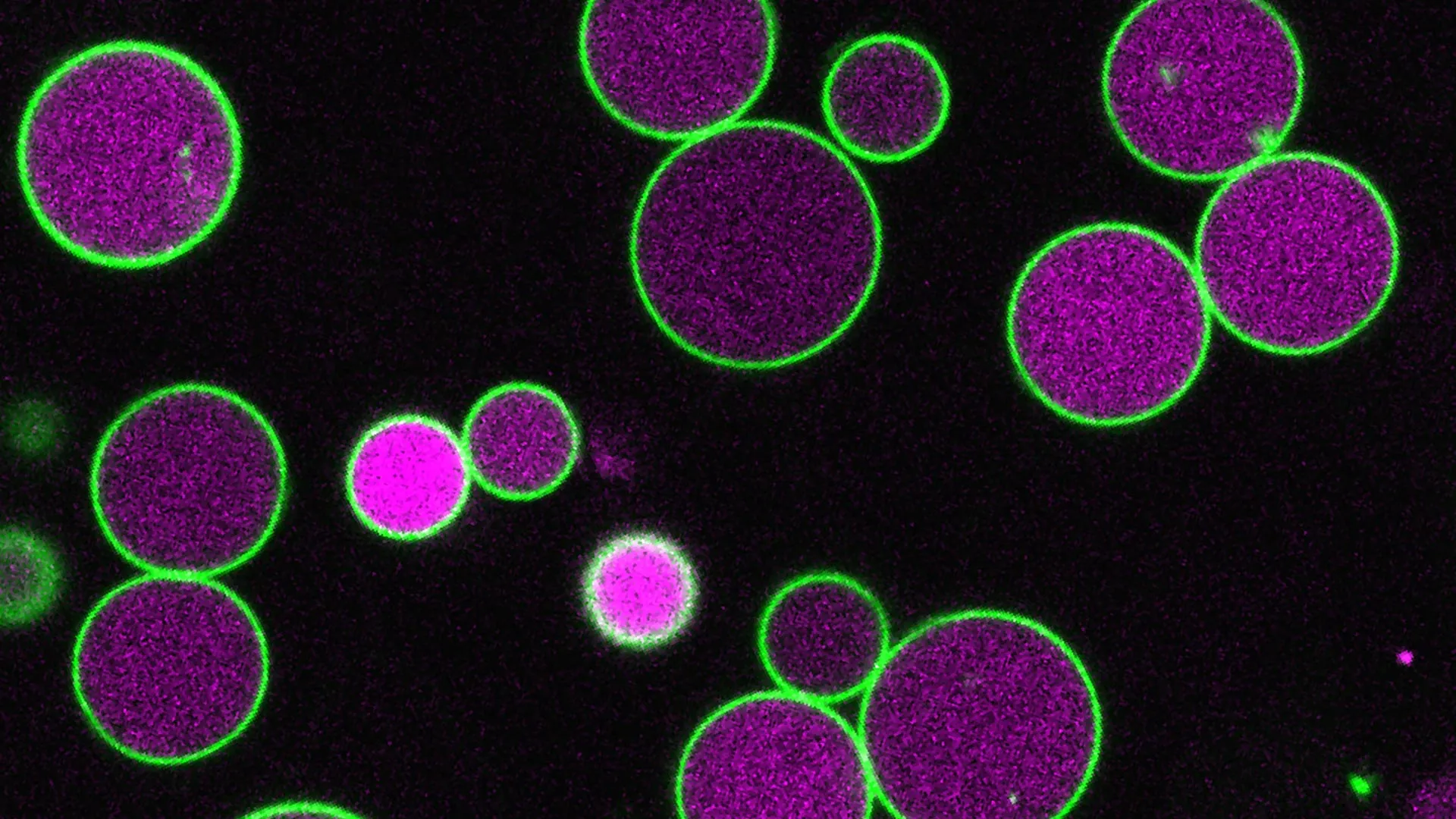
    Plants spend most of their lives using photosynthesis to create energy. However, in the early stages after the seeds begin to grow, they are not yet able to capture light. During this short but important period, they instead rely on stored fatty acids. To break down these fatty acids, plant cells use specialized structures known as peroxisomes. Peroxisomes are membrane-bound compartments that are also found in human cells. Due to their size and visibility, plant cells serve as a useful system to study how peroxisomes function.

    “The plant we use, Arabidopsis, has large cells and peroxisomes that you can see inside with a light microscope,” said Bonnie Bartel, Ralph and Dorothy Rooney Professor of Biological Sciences. “Peroxisomes grow larger during the seed-to-seedling stage, when plants rely on fatty acids for energy, and then shrink to their normal size once the plant is able to photosynthesize.”

    Protein PEX11 helps control peroxisome size

    Bartel’s team focuses on these enlarged peroxisomes, specifically a protein called PEX11. Scientists have long known that PEX11 plays a role in helping peroxisomes divide. In a new study published in Nature Communications, the researchers found that this protein also helps control the expansion and contraction of peroxisomes during early plant development.

    “Peroxisomes have been implicated in some human diseases and are used in bioengineering,” said lead author Nathan Tharp, a Rice graduate student. “But they can be quite difficult to study.”

    Study complex proteins using CRISPR

    A common strategy for understanding proteins is to disable the genes involved in protein production and observe the effects. In this case, the situation was even more complicated. PEX11 is produced by five different genes. Destroying just one of them will have little effect, but removing all five will cause the plant to die. This has made it difficult to accurately identify the protein’s function.

    To get around this problem, Tharp used advanced CRISPR technology to selectively disable different combinations of five genes.

    “Using recent advances in CRISPR, we were able to disrupt a specific combination of five genes,” said Tharp, who recently defended his paper. “For the first time, we found that PEX11 is clearly involved in controlling peroxisome growth from the seed to seedling stage.”

    Giant peroxisomes reveal growth control mechanisms

    Tharp designed two types of mutant plants, each lacking a specific set of PEX11 genes. In both cases, peroxisomes expanded from the seed to seedling stage, as expected. However, some individuals never returned to normal size and continued to grow far beyond their normal limits. In extreme cases, peroxisomes extended from one end of the cell to the other.

    These mutant cells also lacked vesicles, small membrane-bound compartments that normally form inside peroxisomes during fatty acid treatment. Under normal conditions, these vesicles develop as the peroxisome grows and appears to remove part of its outer membrane.

    “Vesicles that engulf part of the membrane as they form may help control peroxisome growth,” Tharp said. “In our PEX11 mutants, these vesicles either don’t form or are abnormally small and rare, so we see these giant peroxisomes that are much larger than normal.”

    Discoveries extend beyond plants to other species

    Although the research focused on plants, Tharp wanted to know whether the same mechanism existed in other organisms. To test this idea, he introduced a yeast version of a protein called Pex11 into mutant plant cells.

    “We put yeast Pex11 into mutant plant cells to see if we could restore peroxisomes to normal,” Tharp said. “And so it happened.”

    This result suggests that Pex11 functions similarly in yeast as in plants, despite the long evolutionary distance between the two. Therefore, this protein may play an equivalent role in other cell types, including human cells.

    “The fact that this protein was found to play the same role in yeast and plant cells suggests that it may be a highly conserved protein,” Bartel said. “Therefore, our findings in plants in this relatively easy-to-study model may also be applicable to human cells and cells used in bioengineering.”


    Source link

    Visited 1 times, 1 visit(s) today
    Share. Facebook Twitter Pinterest LinkedIn Telegram Reddit Email
    Previous ArticleHow eye contact shapes the authenticity of computer-generated faces
    Next Article Giant prehistoric insects didn’t need high oxygen after all, study finds
    healthadmin

    Related Posts

    Giant prehistoric insects didn’t need high oxygen after all, study finds

    April 25, 2026

    Astronomers may have discovered a strange new kind of cosmic explosion

    April 24, 2026

    NASA scientist says a mysterious ‘fifth force’ may be hiding in our solar system

    April 24, 2026

    Scientists have discovered where microplastics in the air actually come from

    April 24, 2026

    Scientists discover 3 million-year-old climate mystery in Antarctic ice

    April 24, 2026

    Scientists warn about golden oyster mushrooms sold in Florida markets

    April 24, 2026
    Add A Comment
    Leave A Reply Cancel Reply

    Categories

    • Daily Health Tips
    • Discover
    • Environmental Health
    • Exercise & Fitness
    • Featured
    • Featured Videos
    • Financial Health & Stability
    • Fitness
    • Fitness Updates
    • Health
    • Health Technology
    • Healthy Aging
    • Healthy Living
    • Holistic Healing
    • Holistic Health & Wellness
    • Medical Research
    • Medical Research & Insights
    • Mental Health
    • Mental Wellness
    • Natural Remedies
    • New Workouts
    • Nutrition
    • Nutrition & Dietary Trends
    • Nutrition & Superfoods
    • Nutrition Science
    • Pharma
    • Preventive Healthcare
    • Professional & Personal Growth
    • Public Health
    • Public Health & Awareness
    • Selected
    • Sleep & Recovery
    • Top Programs
    • Weight Management
    • Workouts
    Popular Posts
    • the-pros-and-cons-of-paleo-dietsThe Pros and Cons of Paleo Diets: What Science Really Says April 16, 2025
    • Improve Mental Health10 Science-Backed Practices to Improve Mental Health… March 11, 2025
    • How Healthy Living Is Transforming Modern Wellness TrendsHow Healthy Living Is Transforming Modern Wellness… December 3, 2025
    • Kankakee_expansion.jpgCSL releases details of $1.5 billion U.S.… March 10, 2026
    • Healthy Living: Expert Tips to Improve Your Health in 2026Healthy Living: Expert Tips to Improve Your Health in 2026 November 16, 2025
    • urlhttps3A2F2Fcalifornia-times-brightspot.s3.amazonaws.com2Fc32Fcd2F988500d440f2a55515940909.jpegA ‘reckless’ scrapyard with a history of… October 24, 2025

    Demo
    Stay In Touch
    • Facebook
    • Twitter
    • Pinterest
    • Instagram
    • YouTube
    • Vimeo
    Don't Miss

    ISSCR requests continued support for human embryonic stem cell research from NIH

    By healthadminApril 25, 2026

    The International Society for Stem Cell Research (ISSCR) has submitted a formal response to a…

    The social media ‘sweet spot’ for Australian teens

    April 25, 2026

    Giant prehistoric insects didn’t need high oxygen after all, study finds

    April 25, 2026

    Scientists have discovered something that prevents uncontrolled growth of plant cells

    April 25, 2026

    Subscribe to Updates

    Get the latest creative news from SmartMag about art & design.

    HealthxMagazine
    HealthxMagazine

    At HealthX Magazine, we are dedicated to empowering entrepreneurs, doctors, chiropractors, healthcare professionals, personal trainers, executives, thought leaders, and anyone striving for optimal health.

    Our Picks

    Scientists have discovered something that prevents uncontrolled growth of plant cells

    April 25, 2026

    How eye contact shapes the authenticity of computer-generated faces

    April 24, 2026

    Northwell launches medical gun violence prevention toolkit

    April 24, 2026
    New Comments
      Facebook X (Twitter) Instagram Pinterest
      • Home
      • Privacy Policy
      • Our Mission
      © 2026 ThemeSphere. Designed by ThemeSphere.

      Type above and press Enter to search. Press Esc to cancel.