


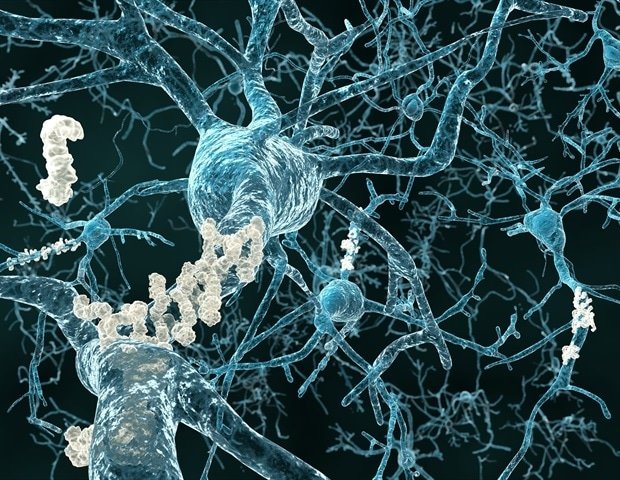
A new study has found that combining current Alzheimer’s disease drugs with small molecules derived from micronutrients found in grapes, berries, peanuts and turmeric is a safer and more effective way to treat the disease.
Toxic amyloid proteins accumulate in the brains of Alzheimer’s patients. Researchers at the University of Waterloo’s School of Pharmacy combined a small molecule that destroys amyloid with an anti-amyloid antibody already used to treat Alzheimer’s disease. They found that it neutralizes protein clumps that build up in the brain, leading to better outcomes.
Alzheimer’s disease is the leading cause of dementia. Nearly 750,000 people in Canada have dementia, and one million are expected to have the disease by 2030. There is no cure for Alzheimer’s disease, and current drugs only alleviate patients’ symptoms. Anti-amyloid antibody therapy itself can slow the progression of the disease, but it also comes with risks, including brain swelling and bleeding, which can be fatal.
“We already know that the small molecules resveratrol and curcumin found in common foods inhibit amyloid buildup,” says Dr. Praveen Necker Rao, a professor at Waterloo’s School of Pharmacy. “What is new and interesting is the combination of these molecules with anti-amyloid antibodies. This approach may allow clinicians to use lower doses of antibodies, reducing the risk of severe treatment-related side effects.”
Because there are few effective treatments for Alzheimer’s disease, researchers at the University of Waterloo studied whether a combination of two treatments would be more effective than using one alone. They chose resveratrol and curcumin because these are natural compounds known to reduce amyloid buildup and inflammation.
“We were inspired by chemotherapy, which involves taking multiple drugs for effective treatment,” Necker-Rao said. “Alzheimer’s disease is a complex disease, but there are few combination therapy approaches. Our results show that combination therapy is definitely the way forward.”
The researchers stress that this study does not suggest that people should start taking resveratrol or curcumin to prevent or treat dementia. To reach the brain, a dangerous amount must be ingested. The next stage of research will focus on designing next-generation drugs that can reach the brain more effectively, interact better with amyloid, and be combined seamlessly with antibody treatments.
research appears ACS PhD in Chemical Neuroscience.
sauce:
Reference magazines:
DOI: 10.1021/acschemneuro.5c00760
