

Close Menu

    Subscribe to Updates

    Get the latest creative news from FooBar about art, design and business.

    What's Hot

    Integrating Medications and Non-Pharmacological Approaches: Addressing Gaps in Evidence-Based Psychiatric Care

    October 3, 2026

    Staying Ahead: Key Challenges in Tracking 2025-2026 Medical Breakthroughs

    October 2, 2026

    The Clinical Researcher’s Challenge: Navigating 2025-2026 Trial Breakthroughs

    October 1, 2026
    Facebook X (Twitter) Instagram
    Facebook X (Twitter) Instagram
    Health Magazine
    • Home
    • Environmental Health
    • Health Technology
    • Medical Research
    • Mental Health
    • Nutrition Science
    • Pharma
    • Public Health
    • Discover
      • Daily Health Tips
      • Financial Health & Stability
      • Holistic Health & Wellness
      • Mental Health
      • Nutrition & Dietary Trends
      • Professional & Personal Growth
    • Our Mission
    Health Magazine
    Home » News » The location of body fat is related to the rate of brain aging.
    Mental Health

    The location of body fat is related to the rate of brain aging.

    healthadminBy healthadminJune 4, 2026No Comments4 Mins Read
    The location of body fat is related to the rate of brain aging.
    Share
    Facebook Twitter Reddit Telegram Pinterest Email


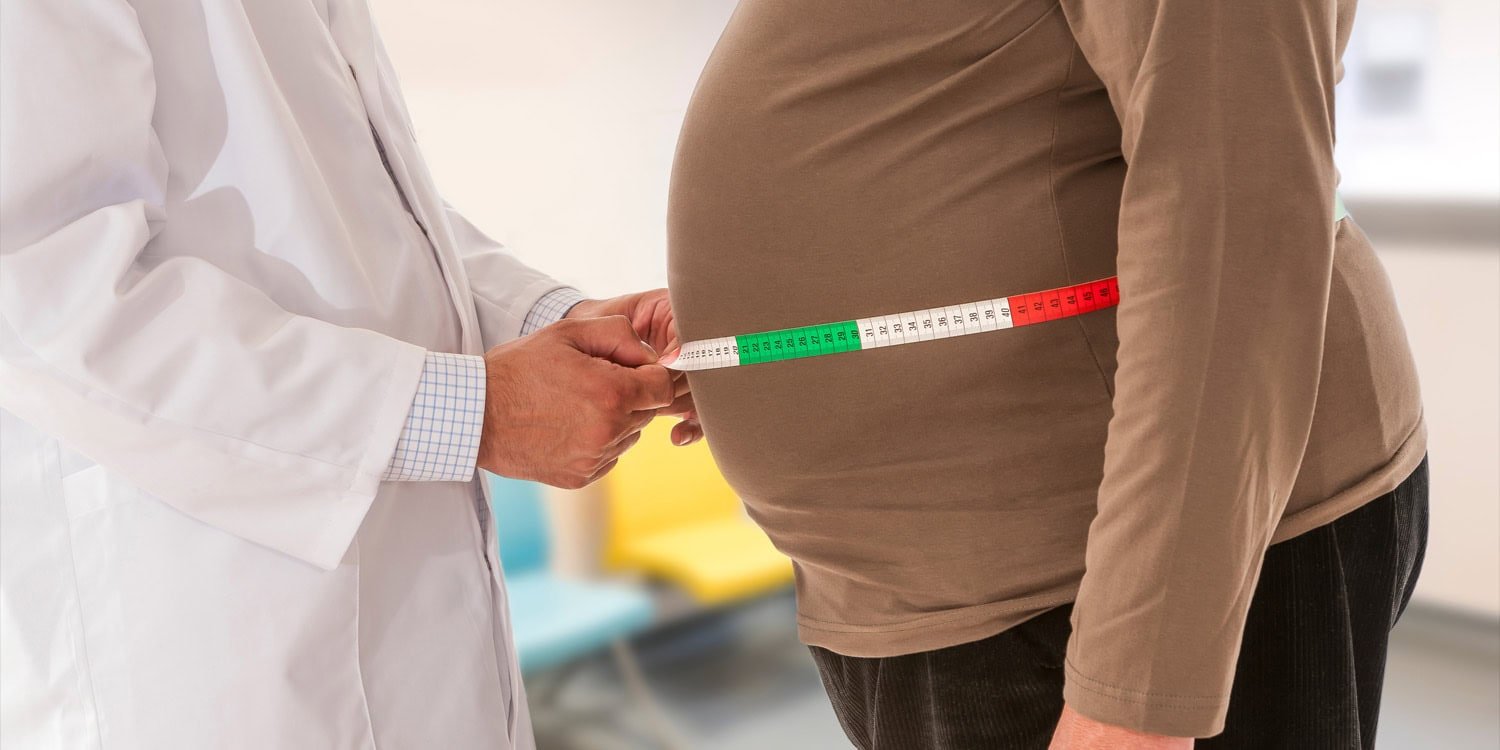
    Where fat is distributed throughout the body (and not just its total amount) has a large and independent impact on brain structure, brain function, and cognitive performance in middle-aged and older adults. This new research natural mental health.

    Body mass index (BMI) has long served as a standard clinical and research measure of obesity, but it does not capture where fat is stored in the body. Fat stored in different anatomical regions behaves biologically very differently. Visceral fat (fat accumulated around internal organs) releases inflammatory chemicals associated with neuroinflammation and neurodegeneration. In contrast, limb fat is thought to have protective effects in some situations.

    Despite this growing awareness, most previous studies on obesity and brain health have relied solely on BMI, and the distinct contributions of individual fat stores to brain aging and cognitive decline are largely unknown.

    The team, led by Anqi Qiu from Hong Kong Polytechnic University, analyzed data from more than 18,000 UK Biobank participants, with an average age of around 62.5 years and around 45% men.

    Deep fat (visceral fat) in the arms, legs, trunk, and abdomen was precisely measured using a special scanning technique (dual-energy X-ray absorptiometry, DXA). Brain health was assessed using multiple types of MRI scans (structural MRI, resting-state functional MRI, and diffusion weighted imaging), and participants completed a battery of cognitive tests including reasoning, memory, executive function, and processing speed. Using statistical methods, we were able to mathematically remove the effect of overall BMI and examine the unique effects of each fat region independently of general obesity.

    The results demonstrated that each fat depot is associated with a distinct pattern of neurological changes. Fat in the upper arms and trunk was particularly associated with thinning of the sensorimotor cortex, an area of ​​the brain involved in movement and touch. Arm fat was also consistently associated with decreased volume in the hippocampus, an important area for memory. All four fat types were associated with decreased volume in deep brain structures, and all were associated with weaker connections between brain regions involved in movement and coordination.

    Visceral fat (fat that accumulates deeply around abdominal organs) stood out as particularly harmful. This was most strongly associated with deterioration of the brain’s white matter (the cables that connect different parts of the brain), with signs of decreased nerve fiber density, increased fluid accumulation within brain tissue, and disorganized nerve fibers.

    Interestingly, leg fat was uniquely associated with weakened connections within the brain’s limbic system, which controls emotion, memory, and reward. The authors suggest that this may be related to the hormone leptin, which lower body fat secretes in high levels and acts on brain areas associated with memory.

    The study used computer modeling to calculate the “brain age” of participants’ neural networks. Researchers found that accelerated brain aging, particularly in the sensorimotor, limbic, and default mode networks, is an important pathway by which local fat negatively impacts cognitive performance.

    Across all measures of thinking ability, visceral fat consistently showed the strongest negative indirect effect on cognitive function. As the authors note, these findings “highlight the importance of considering regional obesity beyond BMI when characterizing its associations with brain and cognitive aging.”

    Some important limitations should be recognized. For example, cross-sectional designs cannot determine causality (does fat cause brain changes or vice versa), and a predominantly white British sample limits generalizability to more diverse populations. Furthermore, DXA scans lack the resolution to distinguish between subcutaneous fat (just under the skin) and visceral fat, especially within the trunk region, which may limit insight into its distinct effects.

    The study, “Regional Obesity Shapes Adult Brain and Cognition,” was authored by Die Zhang, Yingji Fu, Chenye Shen, Chaoqiang Liu, Nanguang Chen, Hua Cao, Kui Kai Lau, and Anqi Qiu.


    Source link

    Visited 22 times, 1 visit(s) today
    Share. Facebook Twitter Pinterest LinkedIn Telegram Reddit Email
    Previous ArticleCIC biomaGUNE develops lung surfactant nanoparticles to treat lung diseases
    Next Article Researchers call for a national safety campaign on the use of baby slings and baby carriers.
    healthadmin

    Related Posts

    Integrating Medications and Non-Pharmacological Approaches: Addressing Gaps in Evidence-Based Psychiatric Care

    October 3, 2026

    Overcoming Access Barriers to Evidence-Based Psychiatric Treatments in Inpatient Settings

    September 24, 2026

    Bridging Gaps in Evidence-Based Psychiatric Treatments

    September 23, 2026

    Overcoming Access Barriers: Evidence-Based Insights for Mental Health Professionals

    September 21, 2026

    Addressing Access Gaps in Inpatient Psychiatric Care

    September 17, 2026

    Addressing 2026 Mental Health Challenges: Evidence-Based Outcomes for Psychiatrists and Policymakers

    September 7, 2026
    Add A Comment

    Comments are closed.

    Categories

    • Daily Health Tips
    • Discover
    • Environmental Health
    • Exercise & Fitness
    • Featured
    • Featured Videos
    • Financial Health & Stability
    • Fitness
    • Fitness Updates
    • Health
    • Health Technology
    • Healthy Aging
    • Healthy Living
    • Holistic Healing
    • Holistic Health & Wellness
    • Medical Research
    • Medical Research & Insights
    • Mental Health
    • Mental Wellness
    • Natural Remedies
    • New Workouts
    • Nutrition
    • Nutrition & Dietary Trends
    • Nutrition & Superfoods
    • Nutrition Science
    • Pharma
    • Preventive Healthcare
    • Professional & Personal Growth
    • Public Health
    • Public Health & Awareness
    • Selected
    • Sleep & Recovery
    • Top Programs
    • Weight Management
    • Workouts
    Popular Posts
    • 1773313737_bacteria_-_Sebastian_Kaulitzki_46826fb7971649bfaca04a9b4cef3309-620x480.jpgHow Sino Biological ProPure™ redefines ultra-low… March 12, 2026
    • pexels-david-bartus-442116The food industry needs to act now to cut greenhouse… January 2, 2022
    • 1773729862_TagImage-3347-458389964760995353448-620x480.jpgDespite safety concerns, parents underestimate the… March 17, 2026
    • 1774403998_image_28620e4b6b0047f7ab9154b41d739db1-620x480.jpgGait pattern helps distinguish between Lewy body… March 24, 2026
    • 1773209206_futuristic_techno_design_on_background_of_supercomputer_data_center_-_Image_-_Timofeev_Vladimir_M1_4.jpegMulti-agent AI systems outperform single models… March 11, 2026
    • Leukemia-620x480.jpgBiomimetic platform powers CAR T therapy for… March 9, 2026

    Demo
    Stay In Touch
    • Facebook
    • Twitter
    • Pinterest
    • Instagram
    • YouTube
    • Vimeo
    Don't Miss

    Integrating Medications and Non-Pharmacological Approaches: Addressing Gaps in Evidence-Based Psychiatric Care

    By healthadminOctober 3, 2026

    Evidence-based psychiatric treatments achieve superior results when pharmacological options are coordinated with psychological therapies, filling gaps in care.

    Staying Ahead: Key Challenges in Tracking 2025-2026 Medical Breakthroughs

    October 2, 2026

    The Clinical Researcher’s Challenge: Navigating 2025-2026 Trial Breakthroughs

    October 1, 2026

    The Healthcare Delivery Crisis Founders Must Solve in 2026

    September 30, 2026

    Subscribe to Updates

    Get the latest creative news from SmartMag about art & design.

    HealthxMagazine
    HealthxMagazine

    At HealthX Magazine, we are dedicated to empowering entrepreneurs, doctors, chiropractors, healthcare professionals, personal trainers, executives, thought leaders, and anyone striving for optimal health.

    Our Picks

    The Healthcare Delivery Crisis Founders Must Solve in 2026

    September 30, 2026

    The Climate-Health Crisis Facing Environmental Experts Today

    September 29, 2026

    The Adoption Barriers Facing Health Tech Founders and Engineers Today

    September 28, 2026
    New Comments
      Facebook X (Twitter) Instagram Pinterest
      • Home
      • Privacy Policy
      • Our Mission
      © 2026 ThemeSphere. Designed by ThemeSphere.

      Type above and press Enter to search. Press Esc to cancel.