


A proposed plan to address toxic PFAS and 1,4-dioxane pollution in North Carolina is facing growing opposition from environmentalists who say it lacks enforcement and could leave local communities paying the price.
The proposal, which is being considered by the North Carolina Environmental Control Commission, would require certain industries and wastewater utilities to monitor their emissions and develop plans to reduce pollution.
But critics say they fall short of requiring real cuts.
“We’re not holding polluters accountable,” said Emily Donovan, co-founder of Clean Cape Fear. “The burden should not be placed on the community to clean this up. The burden should be placed on the polluters.”
A petition opposing the proposal gathered more than 1,600 signatures on Thursday. Organizers are calling on regulators to reject the plan and start over with stricter health-based criteria.
What does the proposal do?
Under the proposal, certain industrial facilities and wastewater treatment facilities would be required to test for three PFAS compounds: PFOA, PFOS, and GenX and report the results to the state.
Facilities that exceed certain screening levels will be required to develop a “minimization plan” outlining how they can reduce emissions. These plans may include best practices, timelines, and estimated savings.
However, the proposal does not set a numerical limit on the amount of PFAS that can be discharged into waterways. It also does not require specific reductions or impose penalties if pollution levels remain the same.
During the committee meeting, members acknowledged industry representatives for their contribution to shaping the proposal.
Reed Wilson, director of the North Carolina Department of Environmental Quality, said the agency is working to protect drinking water as new federal standards for PFAS, also known as “forever chemicals,” approach.
“Everyone deserves healthy, safe water when they turn on their tap,” Wilson said. “About one-third of the state’s residents drink tap water that does not meet EPA standards that will take effect in the next few years.”
Wilson said the department believes pollution should be reduced at the source before it reaches the drinking water system.
But he said the final rules will be set by the Environmental Management Commission, not the agency.
“They make the rules,” Wilson said. “The ministry believes that we really need to reduce pollution at the source. The committee currently constituted has a different view.”
What critics say is missing
Supporters argue that the proposal relies heavily on voluntary action and does not include enforceable discharge limits, deadlines or penalties.
“It basically makes it look like you’re doing something, but it’s just allowing voluntary documentation and voluntary control methods,” Donovan said.
Gov. Josh Stein also criticized the proposal, noting the lack of enforceable restrictions.
“People should turn on their tap and have confidence that their water is healthy and safe to drink,” Stein said in a statement. “But the current proposal, which includes unenforceable limits on carcinogenic chemicals, puts us all at risk.”
Mr. Stein also expressed concern about recent changes to how committees are appointed. The 2023 law transferred appointment authority from the governor, strengthened the powers of the Legislature and the Agriculture Commissioner, and led to new members and leadership changes.
“Congress’s power grab for EMC makes it difficult to set strong, independent, health-based standards,” Stein said.
PFAS are a type of synthetic chemical used in products such as nonstick cookware and firefighting foam. They are thought to be linked to cancer, immune system damage, and other health problems. 1,4-dioxane is another industrial chemical that is considered a likely human carcinogen. A WRAL documentary examines pollution in North Carolina.
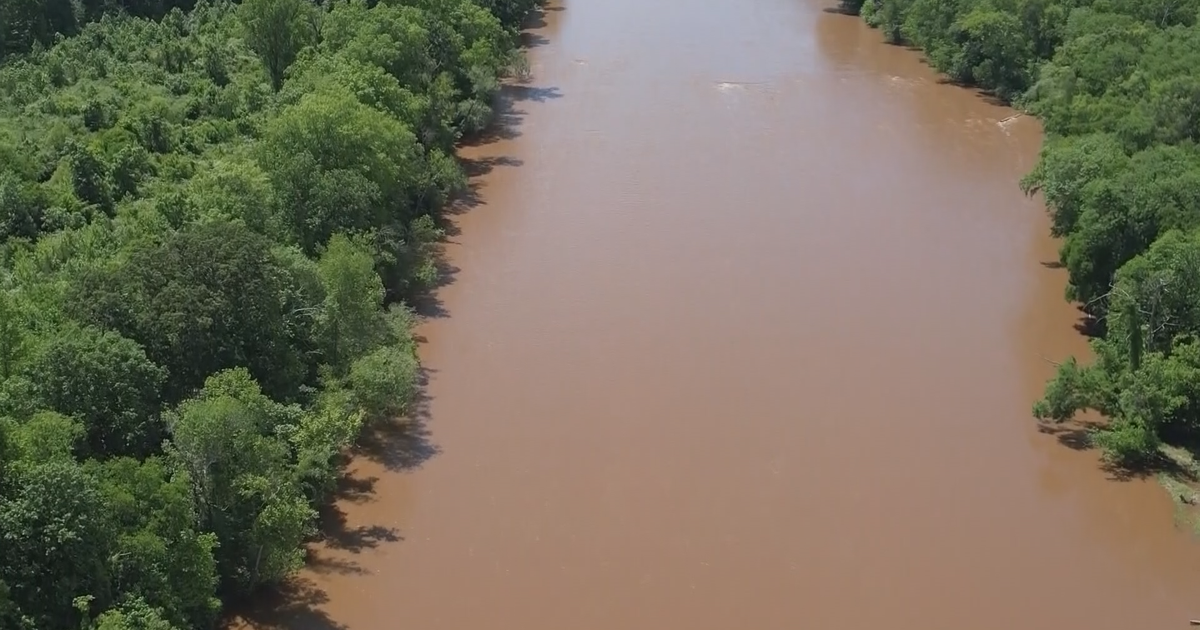
Communities along the Cape Fear River, including Wilmington, have been dealing with pollution for years. This makes upgrading filtration equipment expensive and raises concerns about long-term health effects.
“If you don’t manage emissions at the source, it costs everyone downstream,” Donovan said. “Water prices have gone up…people are paying out-of-pocket for filtration.”
She said these costs are “almost a hidden tax” on residents.
In some communities, that cost is high.
“When we first learned we had PFAS, we had a nearly $2 million system with 400 customers,” said Maysville Town Manager Shumata Brown. “And it’s unfair to the customers who didn’t have it in place.”
“We took on that burden, but we didn’t manufacture that chemical,” Brown said. “But we were left with no choice but to remove the chemical from the water system.”
broader question
The debate highlights larger questions about how aggressively North Carolina should regulate industrial pollution and who should pay for the cleanup.
Advocates point to other states, such as New Jersey, winning $2 billion in settlements from companies like DuPont and Chemours over PFAS contamination.
This discussion also coincides with changes in federal PFAS policy. The Trump administration has delayed implementation of certain drinking water standards and reconsidered others, a move that has drawn criticism from environmentalists who say it weakens protections.
EPA Administrator Lee Zeldin acknowledged that the current system often leaves water systems and their customers paying the price for pollution.
“You’re basically paying to have PFAS contamination removed from your water supply,” Zeldin said. “That’s not true.”
Zeldin said Congress should address the issue instead of outlining new federal requirements to limit sources of pollution.
As federal standards face delays and uncertainty, advocates argue that responsibility is increasingly placed on states, increasing the risk that North Carolina regulators will make decisions like this one.
In North Carolina, another legal battle could shape future liability. The North Carolina Supreme Court is considering whether the state’s attorney general has the authority to continue lawsuits against Chemours and DuPont.
Supporters say they will continue to push for stricter standards.
Two public hearings on the proposed plan are scheduled to begin in April, giving residents a chance to weigh in before the commission makes a final decision.
“We need to let the Environmental Control Board know that we don’t want this,” Donovan said.
Hearing details:
Sign-in and speaker registration begins at 5:00 PM for all conferences.
PFAS:
- Asheville: April 7, 2026, 6:00 p.m., Ferguson Auditorium, AB-Tech Community College, 19 Tech Drive, Asheville, NC, 28801
- Raleigh: April 20, 2026, 6:00 PM, Archdale Building, 1st Floor Public Hearing Room, 512 N. Salisbury Street, Raleigh, NC, 27604 Parking Information: Public parking will be available after 5:00 PM in Parking Deck 64, located across North Salisbury Street from the Archdale Building.
- Wilmington: April 23, 2026, 6:00 PM, Wilmington City Hall, Skyline Center, 1st Floor Conference Center, 929 North Front St., Wilmington, 28401 Parking Information: Attendees must use the Brunswick Street entrance and park in the south parking lot. Those needing access to the Americans with Disabilities Act should use the visitor lot.
- Written comments: Please email publiccomments@deq.nc.gov with the subject line “PFAS Minimization” by June 15.
1,4-dioxane:
- Hickory: April 9, 2026, 6:00 PM, Catawba County St. Stephens Branch Library, 3225 Springs Road, Hickory, NC, 28601 Registration: Sign in and speaker registration begins at 5:00 PM Note: This program is not sponsored or endorsed by the Catawba County Library or Catawba County Government.
- Fayetteville: April 14, 2026, 6:00 p.m., Fayetteville Technology Community College, Tony Rand Student Center Multipurpose Room, 2220 Hull Rd. Fayetteville, NC, 28303
- Jamestown: May 12, 2026, 6:00 p.m., Guilford Technical Community College, Percy H. Sears Applied Technologies Building Auditorium, 1201 Bonner Dr., Jamestown, NC, 27282.
- Written comments: Please email publiccomments@deq.nc.gov with the subject line “1,4-Dioxane Minimization” by June 15.
The Environmental Management Meeting will be held on May 13th and 14th in the public hearing room on the first floor of the Archdale Building, 512 N. Salisbury Street, Raleigh, North Carolina.
