


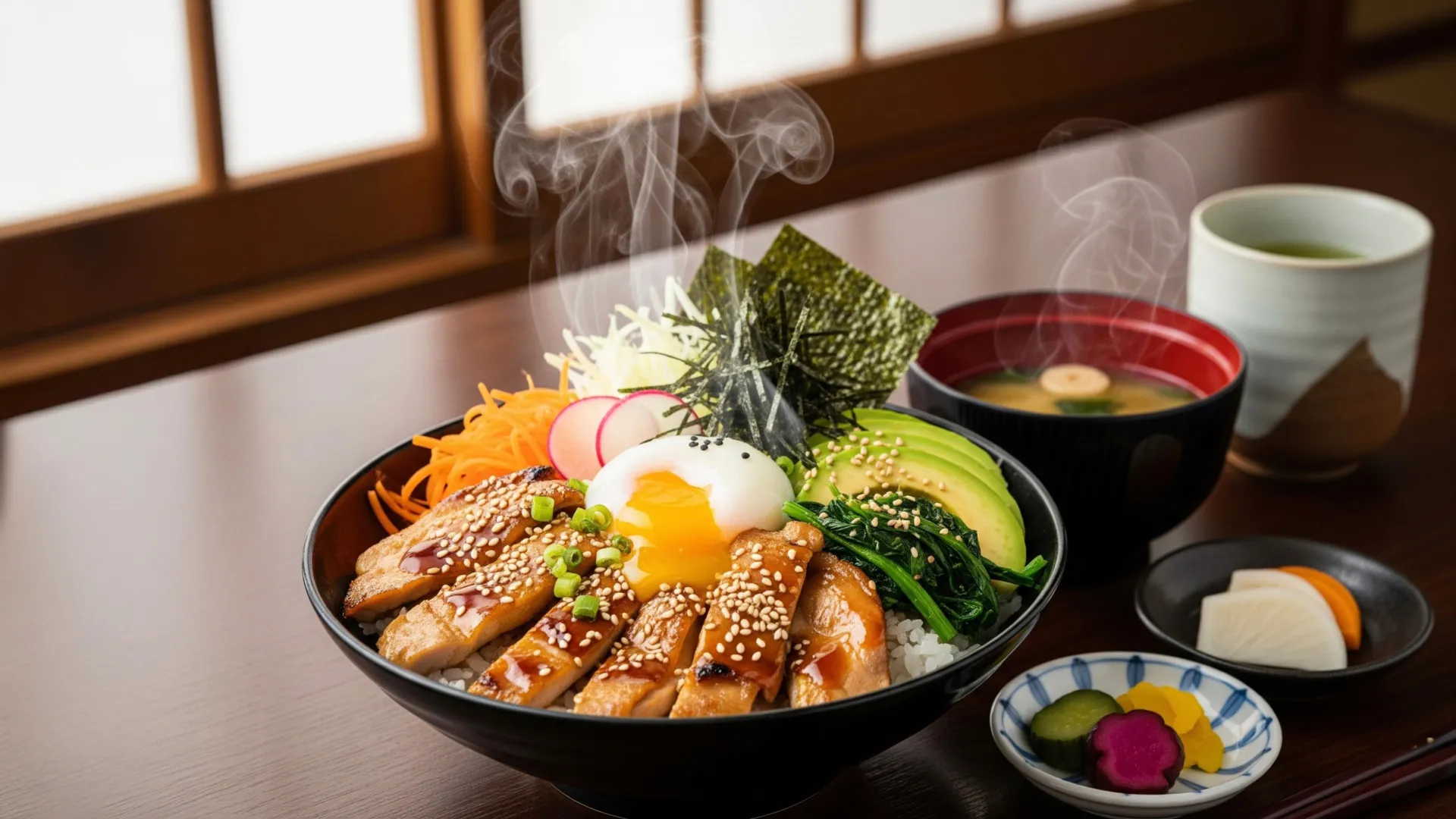
Some of the world’s longest-living, healthiest people follow a simple philosophy: hara hachi bu. This traditional Japanese custom encourages people to stop eating when they are about 80% full, rather than continuing to eat until they are completely satisfied.
This concept comes from Confucian teachings and focuses on moderation. Recently, it has been attracting attention as a weight management tool. However, this does not mean strict dietary restrictions or dietary restrictions. Instead, it encourages you to slow down, pay attention to your body, and develop an appreciation for food.
Research results about Hara Hachi Bu
scientific research on hara hachi bu itself is still limited. Rather than isolating the “80% full” rule in isolation, most studies have focused on the eating patterns of populations where this practice is common.
Still, the available evidence shows some meaningful benefits. People who follow this approach tend to consume fewer calories overall. It is also associated with less weight gain and a lower average body mass index (BMI) over time. In some studies, men who practice this eating style also make healthier food choices, such as eating more vegetables and fewer grains.
This approach overlaps with mindful eating and intuitive eating, which focus on recognizing hunger and fullness signals. These methods are proven to reduce emotional eating and improve overall diet quality.
More than weight loss: A sustainable approach to health
Hara hachi bu It’s not just about eating less. Focusing on awareness and balance can help people build long-lasting habits. Gradual and sustainable changes are often easier to maintain than strict diets that can lead to cycles of weight loss and recovery.
This philosophy fits well with modern challenges. Many people eat while distracted by using their cell phones or looking at screens. Research shows that around 70% of adults and children use digital devices while eating. This habit is associated with increased caloric intake, decreased fruit and vegetable intake, and increased risk of disordered eating behaviors such as binge drinking and overeating.
A nutritionist explains: “We put food on a pedestal, we obsess about it, we talk about it, we post about it, but all too often we don’t actually enjoy it.”
Taking time to focus on your food, savor your food, and eat with intention can help you reconnect. It can also support digestion and lead to more nutritious food choices.
How to try the 80% complete meal approach
If you want to experiment, hara hachi bu Or, to learn how to eat more mindfully, these simple strategies can help.
1. Check your body before eating
Ask yourself if you are really hungry. Consider whether your hunger is physical, emotional, or just a habit. If you are physically hungry, it is important to eat. If stress, boredom, or fatigue are the culprits, pausing can help you respond more thoughtfully.
2. Eat without distractions
Turn off the screen and focus all your attention on your meal. Distractions can make it harder to notice when you’re full, which can lead to overeating.
3. Slow down and savor each bite.
Eating slowly gives your body time to receive signals that it has eaten enough. Eating will also be more enjoyable.
4. Aim for a comfortable feeling of fullness, not a feeling of fullness.
If your hunger is a 1 and your extreme satiety is a 10, your goal is to stop at about an 8. At this point, you feel full, but not full.
5. Share meals when possible
Eating with others makes meals more meaningful. Social connections are an important part of the human experience and are associated with longevity.
6. Focus on nutrition
Choose foods that contain vitamins, minerals, fiber, and energy to support your body.
7. Practice self-compassion
You don’t have to eat perfectly. The goal is recognition, not guilt.
Important considerations
Hara hachi bu It is not intended for dietary restrictions. Rather than simply eating less, it’s important to be in moderation and listen to your body.
When used purely as a weight loss strategy, it can lead to unhealthy patterns such as restriction followed by overeating. Focusing only on eating less can distract from important aspects of nutrition, such as food quality and nutrient intake.
Also, it is not suitable for everyone. Athletes, children, the elderly, and people with certain health conditions may have higher or more specific nutritional needs, so this approach is less appropriate.
Timeless Habits for Modern Life
It is often simplified to the idea of stopping at 80% full; hara hachi bu represents a broader philosophy of mindful moderation. It encourages people to listen to their bodies, respect hunger signals and enjoy food without overeating.
It’s essentially a balance. This simple habit of slowing down and paying attention to how you eat can support long-term health and help you develop a more positive relationship with food. 
