


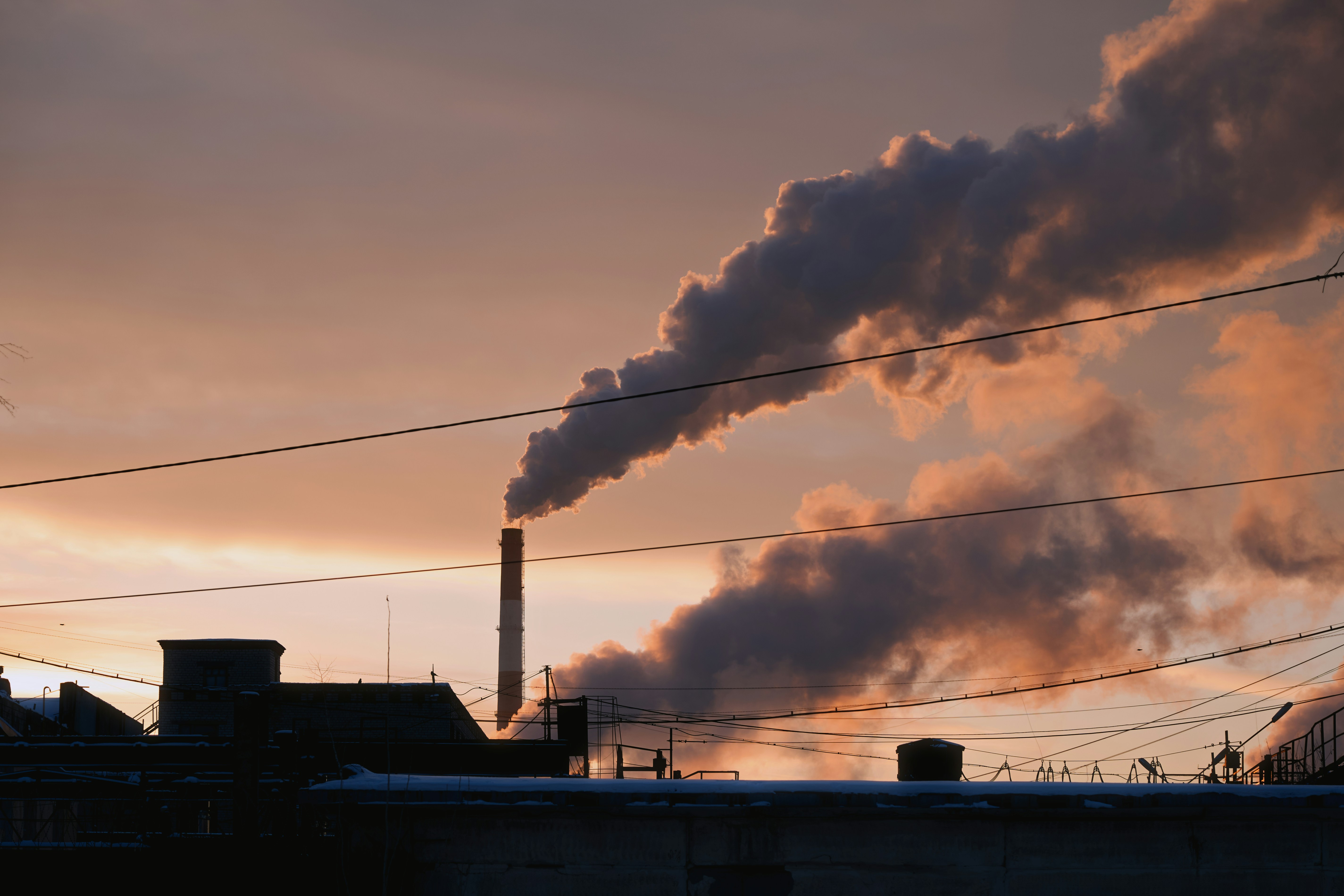
Climate change health impacts are accelerating globally, with the 2025 Lancet Countdown report revealing worsening trends across 57 indicators on the climate-health nexus. Heat-related mortality has risen 23% since the 1990s, reaching 546,000 deaths annually, while 2024 marked a record 154,000 fatalities from wildfire smoke-derived PM2.5 pollution.
Fossil fuel dependence drives 2.52 million outdoor air pollution deaths and 2.3 million from household sources yearly, compounding environmental health crises https://lancetcountdown.org/2025-report/. These climate change health impacts extend to psychological distress, cardiovascular strain, respiratory diseases, and immune dysfunction, particularly among urban vulnerable groups, as detailed in recent analyses https://www.msdmanuals.com/professional/news/editorial/2025/10/09/15/07/environmental-effects-of-climate-change-on-human-health.
Air pollution health effects kill millions annually per WHO data, intertwining with sustainability challenges https://earth.org/the-biggest-environmental-problems-of-our-lifetime/. For environmental scientists, urban planners, and public health advocates, pollution mitigation offers immediate sustainability health benefits.
Public health adaptation strategies, such as clean energy shifts and green urban design, deliver co-benefits by curbing greenhouse gas emissions health burdens https://hsph.harvard.edu/climate-health-c-change/news/improving-climate-action-through-public-health-policy-initiatives/. Cross-border collaboration on air pollution could avert millions of premature deaths via integrated climate policies https://www.colorado.edu/today/2026/02/12/global-collaboration-limit-air-pollution-flowing-across-borders-could-save-millions.
The World Bank warns climate-health costs may drive 132 million into poverty by 2030 absent robust interventions https://www.worldbank.org/en/topic/health/brief/health-and-climate-change. Urban planning climate resilience, including transport noise reduction targeting 2030 improvements, is essential https://www.eea.europa.eu/en/europe-environment-2025/thematic-briefings/environment-and-human-health/environmental-noise-and-impacts-on-human-health.
Evidence-based actions promise transformative gains in environmental health, bridging climate action with human well-being.
Key Health Impacts: Heat, Pollution, and Emerging Risks
Climate change health impacts intensify through heatwaves, with heat-related mortality surging 23% since the 1990s to 546,000 annual deaths, disproportionately affecting urban poor and elderly https://lancetcountdown.org/2025-report/. Extreme heat strains cardiovascular systems, triggering heart failure and ischemia, especially under medications like beta-blockers https://www.msdmanuals.com/professional/news/editorial/2025/10/09/15/07/environmental-effects-of-climate-change-on-human-health.
Wildfire smoke risks reached new heights in 2024, causing 154,000 deaths from PM2.5 pollution, exacerbating asthma, COPD, and systemic inflammation leading to thrombosis https://lancetcountdown.org/2025-report/. Air pollution health effects from fossil fuels claim 2.52 million outdoor and 2.3 million household deaths yearly, per WHO-aligned data, compounding respiratory and allergic diseases https://earth.org/the-biggest-environmental-problems-of-our-lifetime/.
Emerging climate change health impacts include dengue transmission potential up 49% since the 1950s, alongside kidney failure from dehydration and immune disruptions fostering autoimmune conditions https://lancetcountdown.org/2025-report/. Psychological tolls—PTSD, depression—arise from disruptions, while infectious diseases expand via pathogen migration https://www.msdmanuals.com/professional/news/editorial/2025/10/09/15/07/environmental-effects-of-climate-change-on-human-health.
Urban planning climate resilience faces adaptation myths; though 97% of cities assess risks, only 66% of public health institutions offer climate education, revealing gaps https://lancetcountdown.org/2025-report/. National Academy data highlights US vulnerabilities to heat, pollution, wildfires https://nam.edu/product/health-impacts-of-climate-change/.
These environmental health threats demand targeted public health adaptation, as cross-border pollution controls could save millions, underscoring feasibility with evidence https://www.colorado.edu/today/2026/02/12/global-collaboration-limit-air-pollution-flowing-across-borders-could-save-millions.
Sustainability Solutions: Mitigation Policies and Adaptation Wins
Mitigating climate change health impacts requires public health policy initiatives that yield immediate sustainability health benefits, as outlined by Harvard experts https://hsph.harvard.edu/climate-health-c-change/news/improving-climate-action-through-public-health-policy-initiatives/. Start with clean air regulations and tobacco controls, reducing greenhouse gas emissions health burdens while curbing air pollution health effects.
Step-by-step pollution mitigation: Implement cross-border climate policies to limit transboundary air pollution, potentially saving millions of lives, per 2026 University of Colorado research https://www.colorado.edu/today/2026/02/12/global-collaboration-limit-air-pollution-flowing-across-borders-could-save-millions. Urban planners can prioritize low-emission transport, targeting noise and PM2.5 reductions by 2030 https://www.eea.europa.eu/en/europe-environment-2025/thematic-briefings/environment-and-human-health/environmental-noise-and-impacts-on-human-health.
Transition to clean energy averts 2.52 million fossil fuel-related deaths annually, enhancing public health adaptation https://lancetcountdown.org/2025-report/. World Bank adaptation programs prevent 132 million from poverty by 2030 through resilient infrastructure https://www.worldbank.org/en/topic/health/brief/health-and-climate-change.
Urban planning climate resilience integrates green spaces and sustainable design for co-benefits, as reviewed in open-access studies https://pmc.ncbi.nlm.nih.gov/articles/PMC8835258/.
Advocacy next steps: Push for 72% medical institution climate education coverage; leverage National Academy facts for policy https://nam.edu/product/health-impacts-of-climate-change/. These actions transform the climate-health nexus into opportunities for environmental health gains.
Sources
- https://lancetcountdown.org/2025-report/
- https://www.msdmanuals.com/professional/news/editorial/2025/10/09/15/07/environmental-effects-of-climate-change-on-human-health
- https://earth.org/the-biggest-environmental-problems-of-our-lifetime/
- https://www.colorado.edu/today/2026/02/12/global-collaboration-limit-air-pollution-flowing-across-borders-could-save-millions
- https://hsph.harvard.edu/climate-health-c-change/news/improving-climate-action-through-public-health-policy-initiatives/
- https://nam.edu/product/health-impacts-of-climate-change/
- https://www.worldbank.org/en/topic/health/brief/health-and-climate-change
- https://www.thelancet.com/journals/lancet/article/PIIS0140-67362501919-1/abstract
- https://www.eea.europa.eu/en/europe-environment-2025/thematic-briefings/environment-and-human-health/environmental-noise-and-impacts-on-human-health
- https://pmc.ncbi.nlm.nih.gov/articles/PMC8835258/
