


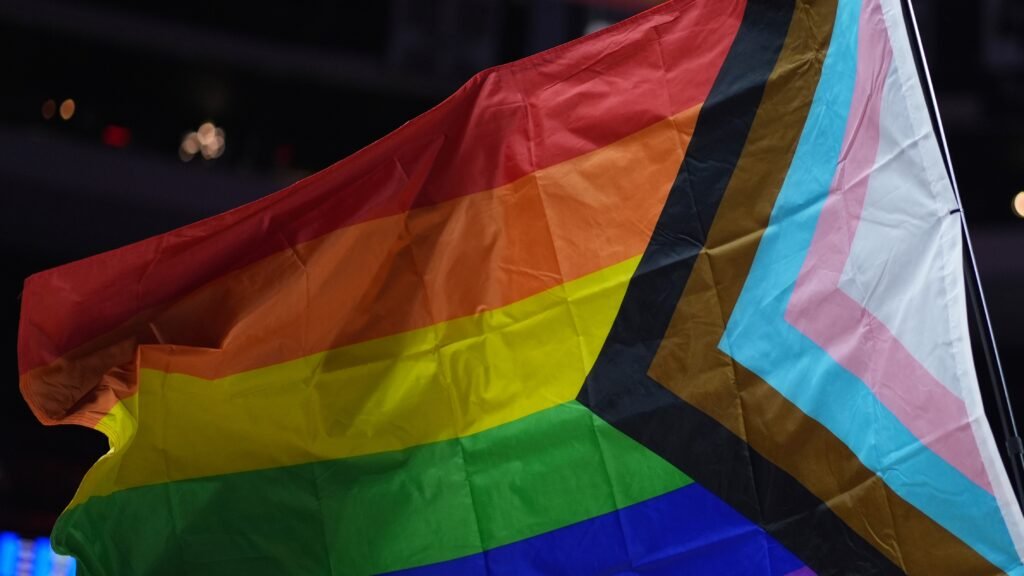
The Trump administration is moving to reinstate LGBTQ+-specific options for young people who call the 988 crisis intervention hotline, but the group that pioneered the idea is being shut out.
The Trevor Project, a leading nonprofit organization dedicated to suicide prevention among LGBTQ+ youth, may no longer be allowed to provide the services it helped develop for 988 Lifeline just a few years ago.
The 988 hotline, known as 911 for mental health emergencies, is credited with reducing suicide deaths among teens and young adults. The Trump administration stopped offering the “Press 3” option to LGBTQ+ youth in July, with one month’s notice, although it offers options tailored to specific groups, such as veterans and Spanish speakers.
The government announced that it had ended the service due to running out of funds. They are now working to revive the program by the end of the year, after Congress directed officials to allocate $33 million for LGBTQ+-specific interventions for youth.
However, the Trevor Project may not be permitted to provide services that it has developed and specializes in.

Study finds that increased calls to the 988 hotline are associated with fewer suicides among young people
Dr. Christine Yu Moutier, chief medical officer at the American Foundation for Suicide Prevention, said it “makes no sense” to exclude The Trevor Project from funding, saying the project has been “a long-standing, high-quality, trusted resource” for LGBTQ+ people.
The development is the latest in a chaotic chapter for services for LGBTQ+ youth, who have higher suicide attempt rates than the general population. Leaving The Trevor Project alone has raised concerns about the relaunched service, especially given the Trump administration’s broader attempts to unravel protections for transgender and nonbinary Americans, especially at a time when more people are reaching out to at-risk transgender and nonbinary Americans.
“The Trump administration should not have put America’s young people at further risk by closing the ‘Press 3’ option,” said Wisconsin Sen. Tammy Baldwin, who led the bipartisan effort to reinstate the service. She called on the president to restore services “without unnecessary restrictions and with the most qualified and experienced people answering calls and texts from these vulnerable young people.”
The Trevor Project was responsible for the majority of 988 LGBTQ+ youth services
Lifeline’s specialized service allowed people to reach counselors specially trained to work with LGBTQ+ youth by pressing 3, texting “PRIDE,” or using online chat.
The umbrella of services, widely referred to as the “Press 3” option, had 1.6 million contacts during its time of operation, according to data from the Substance Abuse and Mental Health Services Administration. The Trevor project handled about half of the program’s traffic.
In canceling the “Press 3” option, federal officials said LGBTQ+ youth would still be able to receive assistance through 988 general services, but services would “no longer be siled” to focus on serving “all help-seekers,” including LGBTQ+ youth.
‘Press 3’ reboot may not include The Trevor Project
Currently, Vibrant Emotional Health, the non-profit organization that manages the 988 service, is seeking applications to manage the return of the “Press 3” line.
However, applications are limited to crisis centers that are “currently active” members of the 988 network. The Trevor project is currently inactive, simply because the administration has canceled its professional services.

The federal government’s repeal of the LGBTQ+ suicide prevention line is a public health failure
Six other crisis centers working with LGBTQ+ youth programs are active in the 988 network. They work with LGBTQ+ people as well as the general public. Only The Trevor Project had a specific mission to serve LGBTQ+ youth.
“This alarming development represents a dangerous step toward lowering the clinical standards for serving high-risk groups on which the Press 3 specialty service is based,” Trevor Project CEO James Black said in a statement to The Associated Press.
A Department of Health and Human Services spokesperson did not directly answer questions about the Trevor Project’s eligibility, saying the department is working with Vibrant to resume service by the end of the year as directed by Congress.
Moutier said other crisis centers also provide quality care to LGBTQ+ youth. LGBTQ+ youth, who are often marginalized and bullied, need “psychological safety” because they don’t always trust institutions to help them. She said it’s too early to say she’s worried about the restart, but how the restart comes back is just as important as the fact that it actually happens.
“I think it has the potential to be of great benefit, but it also has the potential to cause harm,” she said.
Concerned about “Press 3” option shroud restart
While the service itself may return, LGBTQ+ advocates are concerned, as it is unclear how it will operate and the Trump administration has indicated that anti-transgender policies will affect how the program restarts.
This month, SAMHSA leaders sent a letter to Illinois Congressman Raja Krishnamoorthi saying the agency needs to evaluate the “most appropriate approach” to resume services while targeting the rights of transgender people, adhering to Trump’s executive order declaring “gender ideological extremism” a threat to women and that there are only two genders.
The Trevor Project’s Black worries that the next installment of 988’s LGBTQ+ youth services “could completely exclude transgender and non-binary youth.” The organization still independently operates its own 24/7 crisis line for LGBTQ+ youth.
Research shows that LGBTQ+ youth are at higher risk for suicide, with a 2024 analysis by the CDC finding that 26% of transgender and gender-questioning students attempted suicide in the past year. This compares to 5% of cisgender male students and 11% of cisgender female students.
“While anti-LGBTQ+ politics may seek to change the very purpose of this lifeline designed to save the lives of LGBTQ+ youth, it is important to be clear that politics have no place in suicide prevention,” Black said.
—Devi Shastri
