

Close Menu

    Subscribe to Updates

    Get the latest creative news from FooBar about art, design and business.

    What's Hot

    2026 Public Health Crisis: Top Threats Facing Epidemiologists and Leaders

    April 21, 2026

    Short video addiction is associated with decreased life satisfaction due to loneliness and anxiety

    April 21, 2026

    Immune cell interactions cause liver inflammation and fibrosis

    April 21, 2026
    Facebook X (Twitter) Instagram
    Facebook X (Twitter) Instagram
    Health Magazine
    • Home
    • Environmental Health
    • Health Technology
    • Medical Research
    • Mental Health
    • Nutrition Science
    • Pharma
    • Public Health
    • Discover
      • Daily Health Tips
      • Financial Health & Stability
      • Holistic Health & Wellness
      • Mental Health
      • Nutrition & Dietary Trends
      • Professional & Personal Growth
    • Our Mission
    Health Magazine
    Home » News » 95% of people carry this virus, and scientists may have just found a way to stop it
    Nutrition Science

    95% of people carry this virus, and scientists may have just found a way to stop it

    healthadminBy healthadminApril 15, 2026No Comments4 Mins Read
    95% of people carry this virus, and scientists may have just found a way to stop it
    Share
    Facebook Twitter Reddit Telegram Pinterest Email


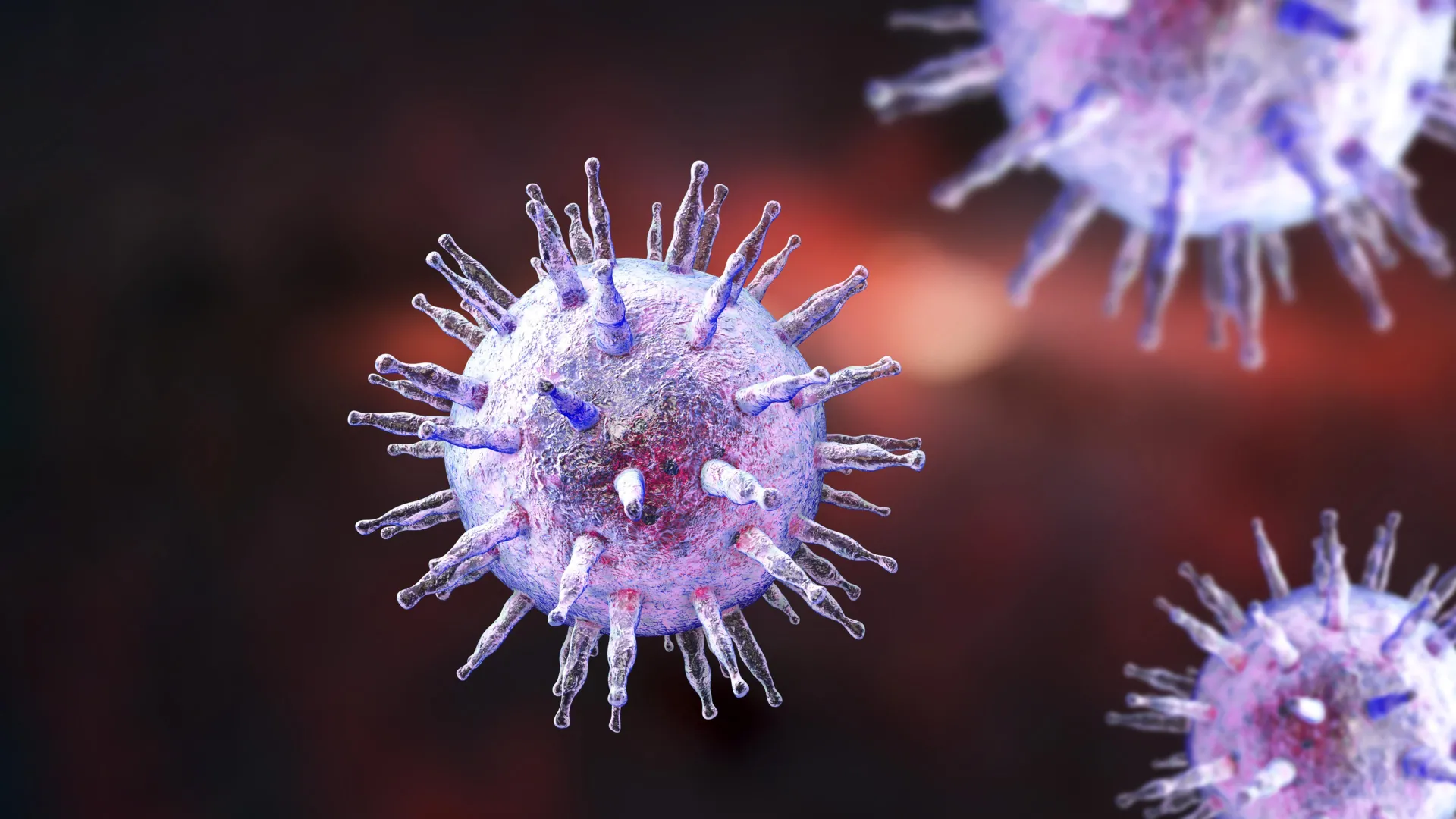
    Researchers at Fred Hutch Cancer Center have made significant progress in efforts to stop Epstein-Barr virus (EBV). EBV is a widespread infectious disease that affects approximately 95% of people worldwide and is associated with several cancers, neurodegenerative diseases, and other long-term diseases.

    Using mice engineered to produce human antibodies, the researchers created a new monoclonal antibody designed to block the virus from attaching to and entering human immune cells. The findings, published in Cell Reports Medicine, show that one of these antibodies was able to completely prevent infection in mice, which have immune systems similar to humans, when exposed to EBV.

    “Finding human antibodies that block Epstein-Barr virus from infecting our immune cells has been particularly difficult because, unlike other viruses, EBV has found a way to bind to almost all B cells,” explained Dr. Andrew McGuire, a biochemist and cell biologist in Fred Hutch’s Vaccines and Infectious Diseases division. “We decided to use new technology to fill this knowledge gap and were finally able to take an important step towards blocking one of the world’s most common viruses.”

    Novel antibody strategies targeting EBV entry points

    A major hurdle in developing these treatments is identifying antibodies that can block EBV without triggering an immune response to the treatment itself, which often occurs when antibodies are derived from non-human sources. To address this, the researchers focused on two viral proteins: gp350 and gp42. The gp350 protein helps the virus attach to human cells, while gp42 allows the virus to fuse with and enter those cells.

    Using a specialized mouse model, researchers identified two monoclonal antibodies that target gp350 and eight monoclonal antibodies that target gp42.

    “We not only identified important antibodies against the Epstein-Barr virus, but we also validated an innovative new approach to discovering protective antibodies against other pathogens,” said Crystal Chan, a pathology doctoral student in the McGuire lab. “As a budding scientist, this was an exciting discovery and helped me understand how science often leads to unexpected discoveries.”

    Further analysis, supported by Fred Hutch’s Antibody Technology Core, revealed specific weaknesses in the virus that could guide future vaccine design. In final testing, one antibody targeting gp42 completely blocked EBV infection, while the antibody targeting gp350 provided partial protection.

    Potential impact on high-risk transplant patients

    Each year, more than 128,000 people in the United States undergo solid organ or bone marrow transplants. These patients often require immunosuppressants, which may allow EBV to reactivate or spread unchecked. Currently, there are no targeted therapies to prevent this.

    Posttransplant lymphoproliferative disorder (PTLD) is a serious and sometimes life-threatening form of lymphoma that can develop after transplantation and is most often caused by uncontrolled EBV infection.

    “Post-transplant lymphoproliferative disease (PTLD), mostly EBV-related lymphoma, is a frequent cause of morbidity and mortality after organ transplantation,” notes Rachel Bender Ignacio, MD, MPH, associate professor of infectious diseases at Fred Hutch and the University of Washington School of Medicine. “Prevention of EBV viremia has strong potential to reduce the incidence of PTLD and limit the need for immunosuppression, thereby helping to preserve graft function while improving overall patient outcomes. Effective prevention of EBV viremia remains a critical unmet need in transplant medicine.”

    Patients can be exposed to EBV through donor organs that harbor latent virus. In people who have been previously infected, immunosuppression may allow the virus to reactivate and multiply. Children undergoing transplantation may be particularly vulnerable because many have not yet been exposed to EBV.

    Towards preventive antibody therapy

    The research team envisions a future where these monoclonal antibodies can be administered as an intravenous drip to prevent EBV infection and reactivation, especially in high-risk groups. Such treatments may help prevent PTLD and other complications by blocking the virus early.

    Fred Hutch has filed intellectual property claims related to antibodies discovered in the study. McGuire and Chan are currently working with collaborators and industry partners to move the research closer to clinical use. Next steps could include safety studies in healthy adults, followed by clinical trials in the highest-risk patients.

    “There is momentum to advance our discoveries into treatments that can make a huge difference for patients receiving transplants,” McGuire said. “After years of searching for viable ways to protect ourselves from the Epstein-Barr virus, this is a major advance for the scientific community and those most at risk of complications from this virus.”


    Source link

    Visited 2 times, 1 visit(s) today
    Share. Facebook Twitter Pinterest LinkedIn Telegram Reddit Email
    Previous ArticleThese types of breakups tend to make it easier to move on.
    Next Article Introducing AI to sample preparation
    healthadmin

    Related Posts

    Scientists discover hidden ‘master switch’ that causes skin cancer growth and immune escape

    April 21, 2026

    Groundbreaking discovery reveals oxygen flow hidden deep within catalysts

    April 21, 2026

    Scientists discover skin care compound that kills drug-resistant bacteria

    April 21, 2026

    California bees take down a killer who is wiping out their colonies.

    April 21, 2026

    95% Success Rate: This new trick directly kills termites.

    April 21, 2026

    This simple 3-amino acid trick makes mRNA therapy 20x more effective

    April 20, 2026
    Add A Comment
    Leave A Reply Cancel Reply

    Categories

    • Daily Health Tips
    • Discover
    • Environmental Health
    • Exercise & Fitness
    • Featured
    • Featured Videos
    • Financial Health & Stability
    • Fitness
    • Fitness Updates
    • Health
    • Health Technology
    • Healthy Aging
    • Healthy Living
    • Holistic Healing
    • Holistic Health & Wellness
    • Medical Research
    • Medical Research & Insights
    • Mental Health
    • Mental Wellness
    • Natural Remedies
    • New Workouts
    • Nutrition
    • Nutrition & Dietary Trends
    • Nutrition & Superfoods
    • Nutrition Science
    • Pharma
    • Preventive Healthcare
    • Professional & Personal Growth
    • Public Health
    • Public Health & Awareness
    • Selected
    • Sleep & Recovery
    • Top Programs
    • Weight Management
    • Workouts
    Popular Posts
    • the-pros-and-cons-of-paleo-dietsThe Pros and Cons of Paleo Diets: What Science Really Says April 16, 2025
    • Improve Mental Health10 Science-Backed Practices to Improve Mental Health… March 11, 2025
    • How Healthy Living Is Transforming Modern Wellness TrendsHow Healthy Living Is Transforming Modern Wellness… December 3, 2025
    • Kankakee_expansion.jpgCSL releases details of $1.5 billion U.S.… March 10, 2026
    • urlhttps3A2F2Fcalifornia-times-brightspot.s3.amazonaws.com2Fc32Fcd2F988500d440f2a55515940909.jpegA ‘reckless’ scrapyard with a history of… October 24, 2025
    • Healthy Living: Expert Tips to Improve Your Health in 2026Healthy Living: Expert Tips to Improve Your Health in 2026 November 16, 2025

    Demo
    Stay In Touch
    • Facebook
    • Twitter
    • Pinterest
    • Instagram
    • YouTube
    • Vimeo
    Don't Miss

    2026 Public Health Crisis: Top Threats Facing Epidemiologists and Leaders

    By healthadminApril 21, 2026

    Public health trends for 2026 highlight escalating threats including conflict-associated outbreaks, climate-driven arboviruses, funding shortfalls, and Disease X. Discover strategies for epidemiologists, officials, and NGOs to enhance outbreak preparedness and community health outcomes.

    Short video addiction is associated with decreased life satisfaction due to loneliness and anxiety

    April 21, 2026

    Immune cell interactions cause liver inflammation and fibrosis

    April 21, 2026

    UCB partners with Myasthenia Gravis Foundation of America on nutritional desert feeding program

    April 21, 2026

    Subscribe to Updates

    Get the latest creative news from SmartMag about art & design.

    HealthxMagazine
    HealthxMagazine

    At HealthX Magazine, we are dedicated to empowering entrepreneurs, doctors, chiropractors, healthcare professionals, personal trainers, executives, thought leaders, and anyone striving for optimal health.

    Our Picks

    UCB partners with Myasthenia Gravis Foundation of America on nutritional desert feeding program

    April 21, 2026

    ECRI spins out supply chain intelligence division to Staritas

    April 21, 2026

    Scientists discover hidden ‘master switch’ that causes skin cancer growth and immune escape

    April 21, 2026
    New Comments
      Facebook X (Twitter) Instagram Pinterest
      • Home
      • Privacy Policy
      • Our Mission
      © 2026 ThemeSphere. Designed by ThemeSphere.

      Type above and press Enter to search. Press Esc to cancel.