


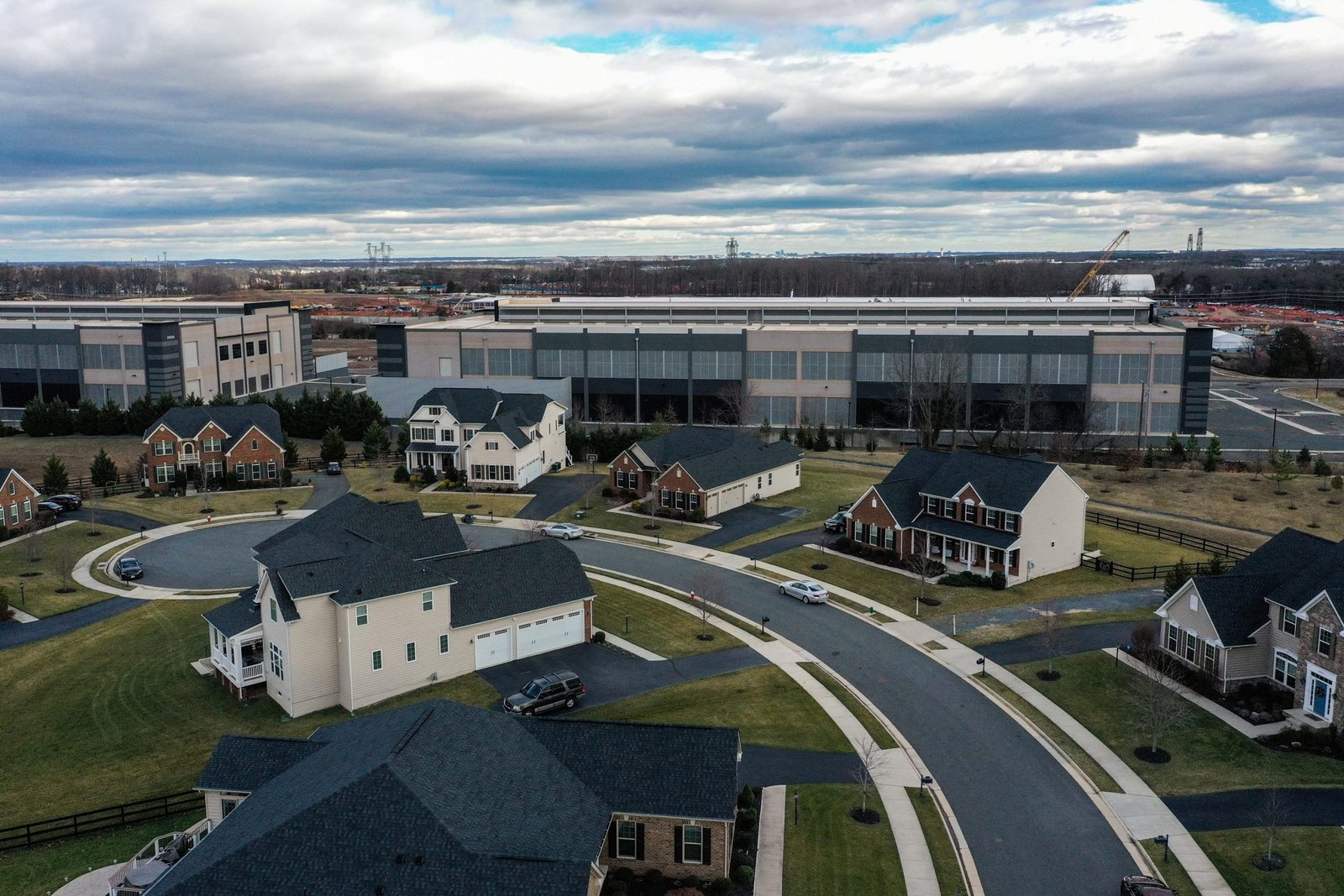
PROVIDENCE, R.I. — Students who attend schools near data centers are more likely to perform poorly in math than those who are not. Attending a school near a noisy airport is also associated with lower math performance.
After attending a math class that incorporated information about renewable energy, U.S. students were more likely to say they knew about climate change and felt some hope about combating it. Indian children who learned about air pollution in art classes were more likely to understand environmental problems, but they were not necessarily likely to change their behavior in ways that would alleviate them.
These are some of the findings, many of them preliminary, that were discussed at a conference on climate change and education hosted by SustainableED, a program at Brown University, that I attended last week. The scheme was established last year by education economics professor Matthew Craft to support research on schools, learning and climate change and bring the results to policy makers.
At the event, Craft said it’s important to broaden the conversation about climate change by connecting it to other issues people care about, such as student health, school success and a “sense of community and belonging.”
“We can talk about it in terms of dollars and cents, operational expenses and potential savings,” he added. “We can talk about that in terms of operational performance, keeping school buildings open and functioning.”
Research highlights and other takeaways from the conference include:
- Universal schooling is climate change policyHarry Patrinos, a professor at the University of Arkansas, said he has published research on whether schooling promotes pro-environmental behavior. His review of existing research, including on the impact of Europe’s compulsory education laws, suggests that people who spend an extra year in school are more likely to be aware of and concerned about climate change and to align themselves with green parties.
- Students at schools within a mile of data centers have lower math performance That’s more than students at schools one to two miles away, said Samantha Cain, a postdoctoral fellow at Brown University. Her preliminary findings suggest statistically significant declines in math performance for third-graders who attend schools near centers that emit harmful pollutants linked to asthma and other health problems. Children attending schools near multiple data centers experienced an even steeper decline.
- It’s not just air pollution — noise pollution It was also associated with lower math scores.According to research by Josh Aarons, a doctoral student at the University of California, San Diego. He looked at schools in the “noise corridor” near Seattle-Tacoma International Airport and found that students there were performing significantly worse in math. This suggests schools need to invest in soundproofing classrooms, he said.
- flat A relatively small amount of instruction can increase students’ understanding of and hope for climate issues. Dr. Ashutosh Vradya says a study in India, a randomized controlled trial, found that students were more likely to understand air pollution issues after just three 60-minute lessons. candidate at the Harvard Graduate School of Education. After taking several 60-minute climate-related lessons in one of four subject areas: art, algebra, English, and science, students said they knew more about climate change and felt a greater sense of purpose in climate action, according to research published by Margaret Wang, co-founder of SubjecttoClimate, which connects teachers with climate change lessons.
- It is possible to encourage students to change their behavior, but this may be difficult to achieve. The students in Bradea’s study were just as likely to take climate-related actions after attending the lesson. In this case, instead of regular incense, we chose eco-friendly incense and donated it to the classroom’s “clean air fund.” However, in Wang’s study, students who participated reported increased motivation to take actions such as buying energy-saving light bulbs, washing clothes at lower temperatures, and writing letters to elected officials.
- Sixty of the nation’s 200 largest school districts have adopted environmental and sustainability policies.compared to 51 in 2020. Karine Verchulen, a postdoctoral researcher at the University of Illinois at Urbana-Champaign, said: Verschulen said climate change and climate justice are increasingly being discussed in policy, often through the work of students whose role is mentioned in many documents. School districts were motivated to adopt this policy for a variety of reasons, including conserving resources, improving the health of students and staff, saving money, and empowering students.
Contact editor Caroline Preston at 212-870-8965, Signal (CarolineP.83), or email preston@hechingerreport.org.
This article about climate education in schools hechinger reportis a nonprofit, independent news organization focused on inequality and innovation in education. register to Hechinger’s Climate Change Newsletter.
Was this story helpful? Leave a tip to support the Education Reporter.
The Hechinger Report is a nonprofit newsroom supported by reader support
