


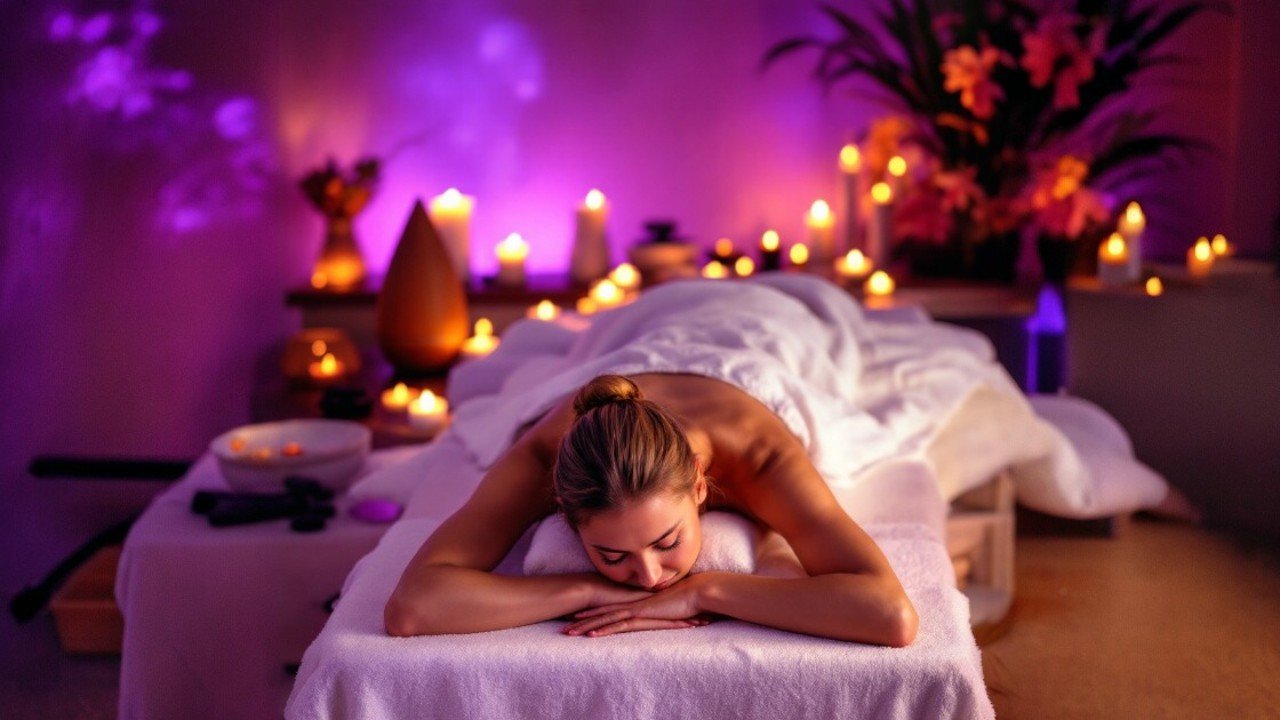
Why Stress Relief Matters
In today’s fast-paced world, stress has become an unavoidable part of life. Whether it’s work deadlines, financial pressures, or personal relationships, chronic stress can take a toll on your mental and physical health. According to the American Psychological Association, 77% of people regularly experience physical symptoms caused by stress.
But here’s the good news: stress doesn’t have to control your life. Psychology experts have identified proven techniques to help you manage stress effectively. In this article, we’ll explore 10 science-backed stress-relief strategies that can help you feel calmer, more focused, and in control. Let’s dive in!
1. Deep Breathing: The Instant Calm Technique
How It Works
Deep breathing activates your parasympathetic nervous system, which helps your body relax. Techniques like diaphragmatic breathing and box breathing are simple yet powerful tools to reduce stress.
Steps to Try
- Sit or lie down in a comfortable position.
- Inhale deeply through your nose for 4 seconds.
- Hold your breath for 4 seconds.
- Exhale slowly through your mouth for 6 seconds.
- Repeat for 5-10 minutes.
Why It Works
Deep breathing lowers cortisol levels, reduces heart rate, and promotes a sense of calm.
2. Mindfulness Meditation: Stay Present, Stay Calm
What Is Mindfulness?
Mindfulness is the practice of focusing on the present moment without judgment. Studies show it can reduce stress and improve emotional regulation.
How to Get Started
- Use apps like Headspace or Calm for guided sessions.
- Start with 5-10 minutes daily and gradually increase.
- Focus on your breath, bodily sensations, or a mantra.
Benefits
Mindfulness helps break the cycle of negative thoughts and fosters a sense of inner peace.
3. Progressive Muscle Relaxation: Release Tension
The Science Behind It
Progressive muscle relaxation (PMR) involves tensing and then relaxing different muscle groups. This technique helps you become more aware of physical tension and release it.
How to Practice
- Start with your toes and work your way up to your head.
- Tense each muscle group for 5 seconds, then release.
- Focus on the sensation of relaxation.
Why It’s Effective
PMR reduces muscle tension, lowers blood pressure, and promotes relaxation.
4. Exercise: Move Your Stress Away
The Role of Physical Activity
Exercise releases endorphins, your brain’s natural mood boosters. It also reduces levels of stress hormones like cortisol.
Best Exercises for Stress Relief
- Yoga: Combines movement with mindfulness.
- Aerobic Exercise: Running, swimming, or cycling.
- Strength Training: Lifting weights to release tension.
How Much Is Enough?
Aim for at least 30 minutes of moderate exercise most days of the week.
5. Journaling: Write It Out
The Power of Expressive Writing
Journaling helps you process emotions and gain clarity. Research shows it can reduce anxiety and improve mental health.
Tips for Effective Journaling
- Write freely without worrying about grammar or structure.
- Focus on your feelings and experiences.
- Try gratitude journaling to shift your mindset.
Why It Works
Writing helps you organize your thoughts and release pent-up emotions.
6. Social Connection: Lean on Your Support System
The Importance of Relationships
Strong social connections are a buffer against stress. Talking to a friend or loved one can provide emotional support and perspective.
Ways to Connect
- Schedule regular catch-ups with friends.
- Join a support group or community activity.
- Reach out to someone you trust when you’re feeling overwhelmed.
The Science
Social interaction releases oxytocin, a hormone that promotes feelings of safety and relaxation.
7. Time in Nature: Reconnect with the Outdoors
The Healing Power of Nature
Spending time in nature, or forest bathing, has been shown to lower cortisol levels and improve mood.
How to Practice
- Take a walk in a park or forest.
- Sit by a body of water and listen to the sounds.
- Practice mindfulness while enjoying the scenery.
Why It Helps
Nature reduces mental fatigue and promotes a sense of calm.
8. Aromatherapy: Calm Your Senses
The Role of Scents
Certain scents, like lavender and chamomile, have calming effects on the nervous system.
How to Use Aromatherapy
- Use essential oils in a diffuser.
- Add a few drops to your bathwater.
- Apply diluted oils to your wrists or temples.
Benefits
Aromatherapy can reduce anxiety, improve sleep, and create a relaxing environment.
9. Laughter Therapy: Lighten the Mood
The Science of Laughter
Laughter triggers the release of endorphins and reduces stress hormones. It’s often called “internal jogging” for its physical benefits.
How to Incorporate Laughter
- Watch a funny movie or stand-up comedy.
- Spend time with people who make you laugh.
- Try laughter yoga or playful activities.
Why It Works
Laughter relaxes your body, boosts your mood, and strengthens your immune system.
10. Sleep Hygiene: Rest Your Way to Calm
The Link Between Sleep and Stress
Poor sleep exacerbates stress, while stress can disrupt sleep. Improving your sleep hygiene can break this cycle.
Tips for Better Sleep
- Stick to a consistent sleep schedule.
- Create a calming bedtime routine.
- Avoid screens and caffeine before bed.
The Impact
Quality sleep improves mood, cognitive function, and stress resilience.
Frequently Asked Questions (FAQs)
1. How quickly can these techniques reduce stress?
Some techniques, like deep breathing and laughter, can provide immediate relief. Others, like mindfulness and exercise, show benefits with consistent practice.
2. Can I combine multiple techniques?
Absolutely! Combining techniques, like mindfulness and aromatherapy, can enhance their effectiveness.
3. Are these techniques suitable for everyone?
Most techniques are safe for everyone, but it’s always a good idea to consult a healthcare professional if you have specific concerns.
4. How often should I practice these techniques?
Aim to incorporate at least one technique daily. Consistency is key to long-term stress management.
5. What if these techniques don’t work for me?
If stress persists, consider seeking help from a mental health professional. They can provide personalized strategies and support.
Conclusion: Take Control of Your Stress Today
Stress is a part of life, but it doesn’t have to control you. By incorporating these 10 science-backed stress-relief techniques into your routine, you can reduce anxiety, improve your mental health, and reclaim your calm.
Start small—choose one or two techniques that resonate with you and practice them consistently. Over time, you’ll build a toolkit of strategies to help you navigate life’s challenges with ease.
By prioritizing stress relief, you’re investing in your overall well-being. Start today and take the first step toward a calmer, happier you!
