


Alternative therapies that help the body’s immune system fight bacteria have shown promise in addressing the global threat of antibiotic resistance.
Researchers at the University of Queensland have discovered that when attacked, the body’s immune cells activate a cellular process called ‘mitochondrial fission’ to kill the invading bacteria.
Dr James Carson, from the UQ Institute of Molecular Biosciences, said mitochondrial fission is a key process in which mitochondria within cells split into smaller units to support the body’s response to stress such as infection.
Some bacteria have evolved strategies to prevent activation of the mitochondrial fission process, allowing invading pathogens to survive and sustain infection. Our study found that an experimental treatment called HDAC6 inhibitors can reactivate the mitochondrial fission process in immune cells to fight invading bacteria. ”
Dr James Carson, Institute of Molecular Biosciences, University of Queensland
Dr. Carson added, “This treatment works by modifying the body’s immune response to support mitochondrial fission, allowing it to fight bacteria without directly targeting them like antibiotics do.”
“Drugs called host-directed therapies (HDTs), which activate the host’s immune response to fight infections, are a promising alternative to antibiotics and could help address the global burden of antibiotic-resistant bacteria,” Dr. Carson said.
The study, which took more than a decade to develop, found that mitochondrial fission enhances the body’s antibacterial response to infections in mammalian cells and animal models.
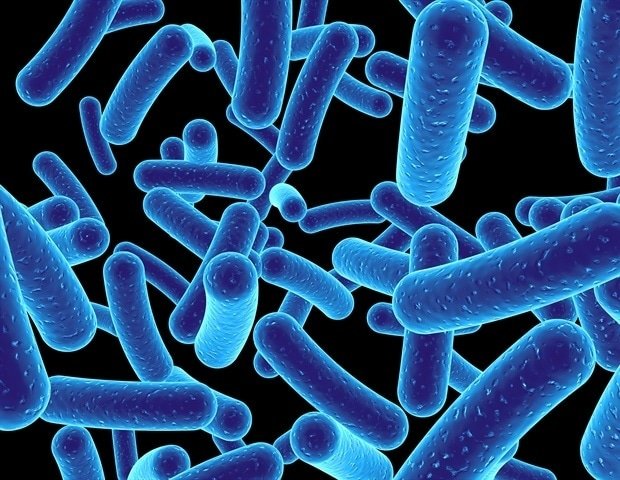
“Specifically, what we have demonstrated is that Escherichia coli “Infection induces mitochondrial fission,” Dr. Carson said.
“Triggering this cellular process activates the body’s intracellular energy stores and builds up antimicrobial lipid droplets, a defense mechanism that helps fight infections.”
Antimicrobial resistance, including resistance to antibiotics, has been listed as the greatest global public health threat by the World Health Organization and is expected to worsen in the coming years.
Professor Matt Sweet, from the UQ Institute of Molecular Biosciences, said bacteria resistant to multiple antibiotics, often referred to as ‘superbugs’, were extremely difficult to treat and new approaches like HDT were urgently needed to combat these infections.
“Antibiotic resistance makes us vulnerable, but our study shows that HDT can have positive outcomes,” Professor Sweet said.
“These findings could lead to the development of new HDTs to combat antibiotic-resistant bacterial infections, including life-threatening conditions like sepsis.”
Mitochondria are important for energy production in all cells, but they also have additional immune-related functions.
“Until now, it was unclear whether mitochondrial fission is beneficial in fighting infectious diseases and, if so, what mechanisms are involved,” Professor Sweet said.
“Our paper reveals that mitochondrial fission enhances antibacterial responses and that this knowledge can be used to fight bacterial infections in experimental systems.”
sauce:
References:
Kapetanovic, R. others (2026) Mitochondrial fission mediates an evolutionarily conserved antimicrobial defense response. scientific immunology. DOI:10.1126/sciimmunol.aed2623. https://www.science.org/doi/10.1126/sciimmunol.aed2623.
