


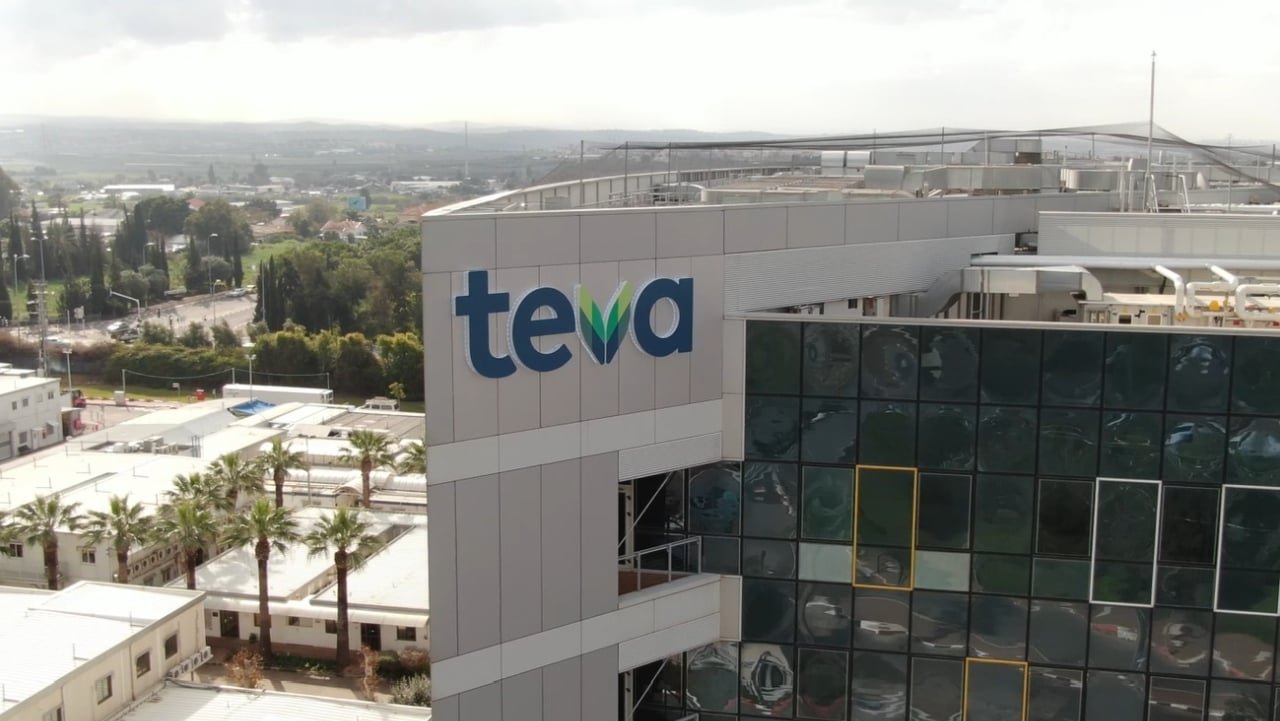
Teva Pharmaceuticals plans to cut 250 jobs in its CDMO division over the next two years, Israeli business news agency Globes reports.
The development comes as Teva continues to seek a new owner for its API business, called Teva Active Pharmaceutical Ingredients (TAPI), after announcing its intention to sell the division in January 2024.
The layoffs will primarily affect Teva’s site in Neot Hobav, an industrial area near Beersheva, Israel, according to Globes. TAPI has 4,100 employees worldwide, according to local news outlets, but that number has already declined from around 4,300 when the planned sale was announced.
“This move will be carried out in full coordination and cooperation with employee representatives and the Histadrut, with a long-term perspective of strengthening the operational stability of the Israeli division,” TAPI said, as quoted by the Globe. The Histadrut, or Israeli Federation of Labor, is a labor union that describes itself as the country’s largest and most influential economic organization.
Fiers contacted Teva but did not receive a response in time for publication.
The ongoing war in Iran could add another wrinkle to the TAPI sale. Conflicts in the Middle East and the blockade of the Strait of Hormuz have disrupted the movement of active pharmaceutical ingredients, and rising energy costs have increased financial pressure on the transport of pharmaceuticals. In March, Israeli missiles reportedly struck the factory of major pharmaceutical company Tofi Dar in Tehran.
Both TAPI’s sale process and planned layoffs will be overseen by new leadership. Dr. R. Anantharayanan, whom Teva brought on as head of API in 2023, will step down as CEO of TAPI and retire from the company on July 3, 2026.
The job cuts at TAPI come in tandem with a broader restructuring plan that Teva outlined last year with the goal of saving about $700 million by 2027. Teva announced it would lay off about 8% of its 30,000 employees worldwide under that program. At that time, TAPI was not included in the overhaul.
Historically known as a generic drug maker, Teva has focused on innovative medicines in recent years. In the first quarter of 2026, the company’s innovative brands Austedo for tardive dyskinesia, Ajovy for migraine, and Usedi for long-acting schizophrenia collectively increased sales by 41% year-on-year in local currency terms.
Meanwhile, the company’s application for long-acting olanzapine for once-monthly treatment of schizophrenia is currently under review by the FDA.
In April, the Israeli drugmaker struck a deal to acquire Emmalex Biosciences for $700 million upfront, giving it a dopamine D1 receptor antagonist that is due for FDA submission this year for Tourette syndrome.
