


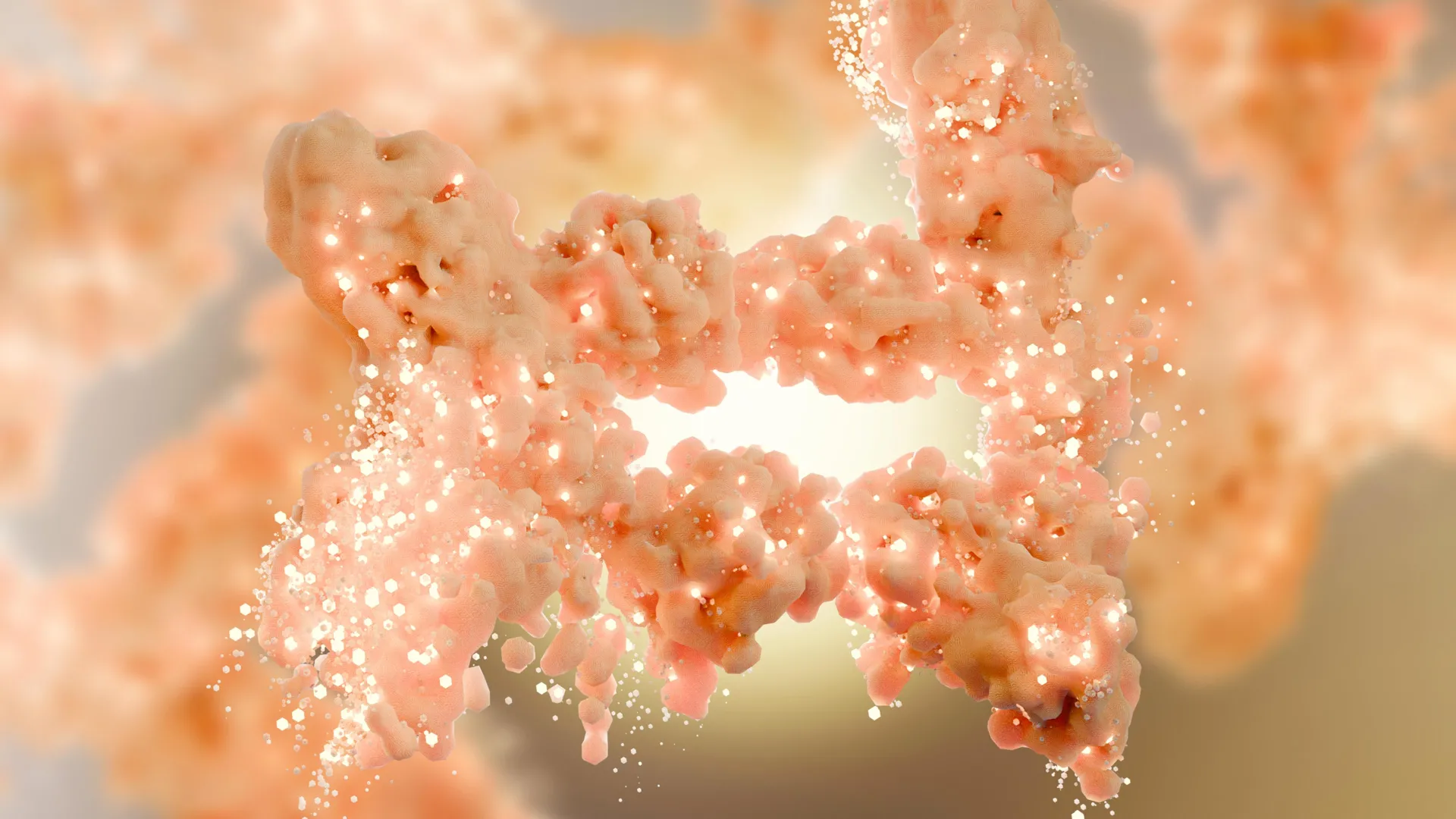
Fat cells, also known as adipocytes, are more than just passive storage units that store excess body weight. These play an active role in managing how the body uses and stores energy. Inside these cells, fat is packed into structures called lipid droplets, which act as fuel stores that the body can use when needed, such as when fasting between meals.
To release this stored energy, the body relies on a protein called HSL. This protein acts like a switch. When energy levels drop, hormones such as adrenaline activate HSL, causing the release of fat that can be utilized by organs throughout the body.
Why losing HSL doesn’t lead to weight gain
At first glance, it may seem logical that fat would accumulate because without HSL, the body would struggle to access stored energy. However, studies in mice and humans with mutations in the HSL gene have shown surprising results. Rather than gaining fat, these guys actually lose fat.
This loss of fat causes a condition called lipodystrophy, where the body has too little fatty tissue. Lack of HSL does not cause obesity, but rather destroys normal fat storage and results in decreased fat mass.
Obesity and lipodystrophy have common hidden risks
Obesity and lipodystrophy may seem to be opposite conditions, but they share important similarities. In both cases, fat cells do not function properly. This dysfunction can lead to similar health problems, including metabolic problems and increased risk of cardiovascular disease.
Surprising discoveries inside fat cells
To better understand this unexpected behavior, researchers led by Dominique Langin at the University of Toulouse within the I2MC investigated where HSL functions within fat cells. Traditionally, HSL has been known to exist on the surface of fat droplets and help break down fat.
A new study reveals something unexpected. HSL is also found in the nucleus of fat cells, the part of the cell that controls gene activity. “In the nucleus of the adipocyte, HSL is able to combine with many other proteins to maintain an optimal amount of adipose tissue and participate in a program that keeps the adipocyte ‘healthy’,” explains Jeremy Dufour, co-author of the study and champion of his doctoral thesis on the subject.
How HSL moves within a cell
The researchers also discovered that the amount of HSL in the nucleus was carefully controlled. Adrenaline, which activates HSL and releases fat, also signals proteins to leave the nucleus. This process takes place during fasting, when the body needs energy.
In contrast, studies in obese mice show that high levels of HSL remain in the nucleus, suggesting that this balance may be disrupted in disease.
A new role for a well-known fatty enzyme
“HSL has been known as a fat mobilizing enzyme since the 1960s, but we now know that it also plays an important role in the nucleus of adipocytes and helps maintain healthy adipose tissue,” concludes Dominique Langin.
This newly identified feature helps explain why people lacking HSL develop lipodystrophy. It also opens new avenues for understanding metabolic diseases, including obesity and its complications.
Why is this discovery important now?
The timing of this discovery is important. In France, one in two adults is overweight or obese. Approximately 2.5 billion people are affected worldwide. Obesity increases the risk of serious diseases such as diabetes and heart disease and can reduce quality of life.
Such advances highlight the need for continued research to improve prevention strategies and develop better treatments for metabolic disorders.
