


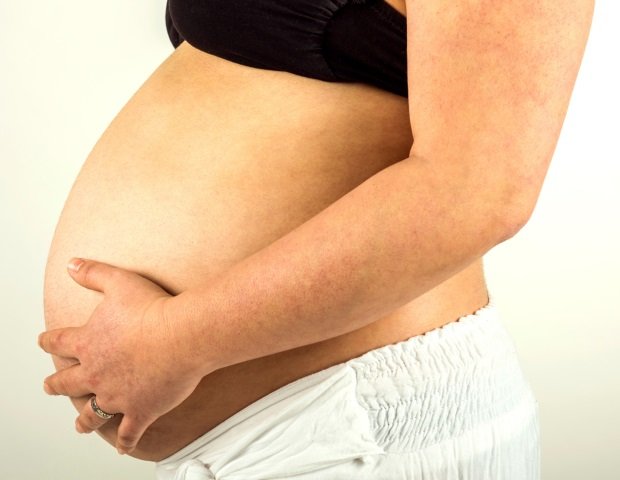
One of the few studies to examine how widely used herbicides affect the body during pregnancy found that exposure to glyphosate, the active ingredient in many herbicides, is associated with changes in several hormones that support pregnancy and fetal development. The results come from a new study led by researchers at the University of Michigan School of Public Health.
This study Journal of Exposure Science and Environmental Epidemiologystudied 752 pregnant women in Puerto Rico.
The researchers found that high concentrations of glyphosate and related compounds are associated with changes in hormones that support the placenta, fetal development, and the timing of delivery. Glyphosate is widely used in agriculture, landscaping, and household weed control products, and people can be exposed through food, water, soil, pesticide drift, or contact with treated areas.
“Although this is the most widely used herbicide in the world, there is surprisingly little research into its potential effects on human reproductive health, pregnancy, and fetal and child development,” said John Meeker, professor of environmental health sciences at the University of Michigan School of Public Health and lead author of the paper.
Considering our new findings and the results of our experimental studies, it is clear that these potential risks require increased attention and further research is desperately needed. ”
John Meeker, Professor of Environmental Health Sciences, School of Public Health, University of Michigan
Exposure was common among study participants
Researchers used data from the PROTECT birth cohort, a longitudinal study of environmental exposures and maternal and child health in Puerto Rico.
Participants had urine samples collected up to three times during their pregnancy, at approximately 18 weeks, 22 weeks, and 26 weeks. The researchers also measured several hormones in the blood samples, including estrogen, thyroid hormone, and corticotropin-releasing hormone (CRH). CRH is a hormone involved in the body’s stress response and biological processes related to childbirth.
Glyphosate and AMPA, the main substances produced by the breakdown of glyphosate in the environment, were detected in most (70%) samples at study visits, indicating that exposure was common among participants.
The researchers found that for every moderate increase in AMPA levels, estriol levels decreased by 10.6% during pregnancy. A similar increase in glyphosate was associated with an 8.3% decrease in estriol levels. AMPA was also associated with increased levels of the thyroid hormone T3.
In late pregnancy, AMPA was associated with increases in thyroid-stimulating hormone and glyphosate was associated with increases in CRH.
“The exposure levels we measured in Puerto Rico are higher than those reported for the general U.S. population, and the U.S. territory has historically carried a disproportionate burden of environmental burdens,” said study lead author Misrael Valentin-Cortes, a postdoctoral fellow in the University of Michigan’s Department of Epidemiology. “Importantly, exposure to these chemicals overlaps with extreme weather events, disasters, and infrastructure failures, and the compounding of adverse health effects requires more sustained attention than currently available.”
Hormones offer clues about possible health pathways
A small number of recent human studies have linked glyphosate exposure to pregnancy-related outcomes, including preterm birth and differences in fetal growth. Until now, little was known about the biological changes that may help explain these associations.
The study points to hormonal disruption as one possible pathway. This finding is based on laboratory and animal studies suggesting that glyphosate-based herbicides may affect the endocrine system and adding new human evidence from repeated measurements during pregnancy.
Researchers caution against overinterpreting results
The authors noted that the study was observational, meaning that while it can show an association, it cannot independently prove causation without additional consideration. Urine samples also reflect recent exposures and may not capture a pregnant person’s total exposure. The study did not test whether hormonal changes led to birth outcomes or subsequent health effects on the child, but the researchers plan to collect more data to investigate this in the future.
Still, researchers say the findings raise interest in how common environmental exposures affect health during pregnancy.
“As public attention to food, pesticides, and environmental health continues to increase, these findings help move the conversation from general concerns to measurable changes in physiological processes,” Meeker said. “Understanding how common exposures affect pregnancy is an important step in protecting the health of mothers and babies.”
sauce:
University of Michigan School of Public Health
Reference magazines:
Valentin Cortez, Massachusetts; others. (2026) Glyphosate exposure and hormone disruption during pregnancy: Evidence from a Puerto Rican birth cohort. Journal of Exposure Science and Environmental Epidemiology.DOI: 10.1038/s41370-026-00902-6. https://www.nature.com/articles/s41370-026-00902-6.
