


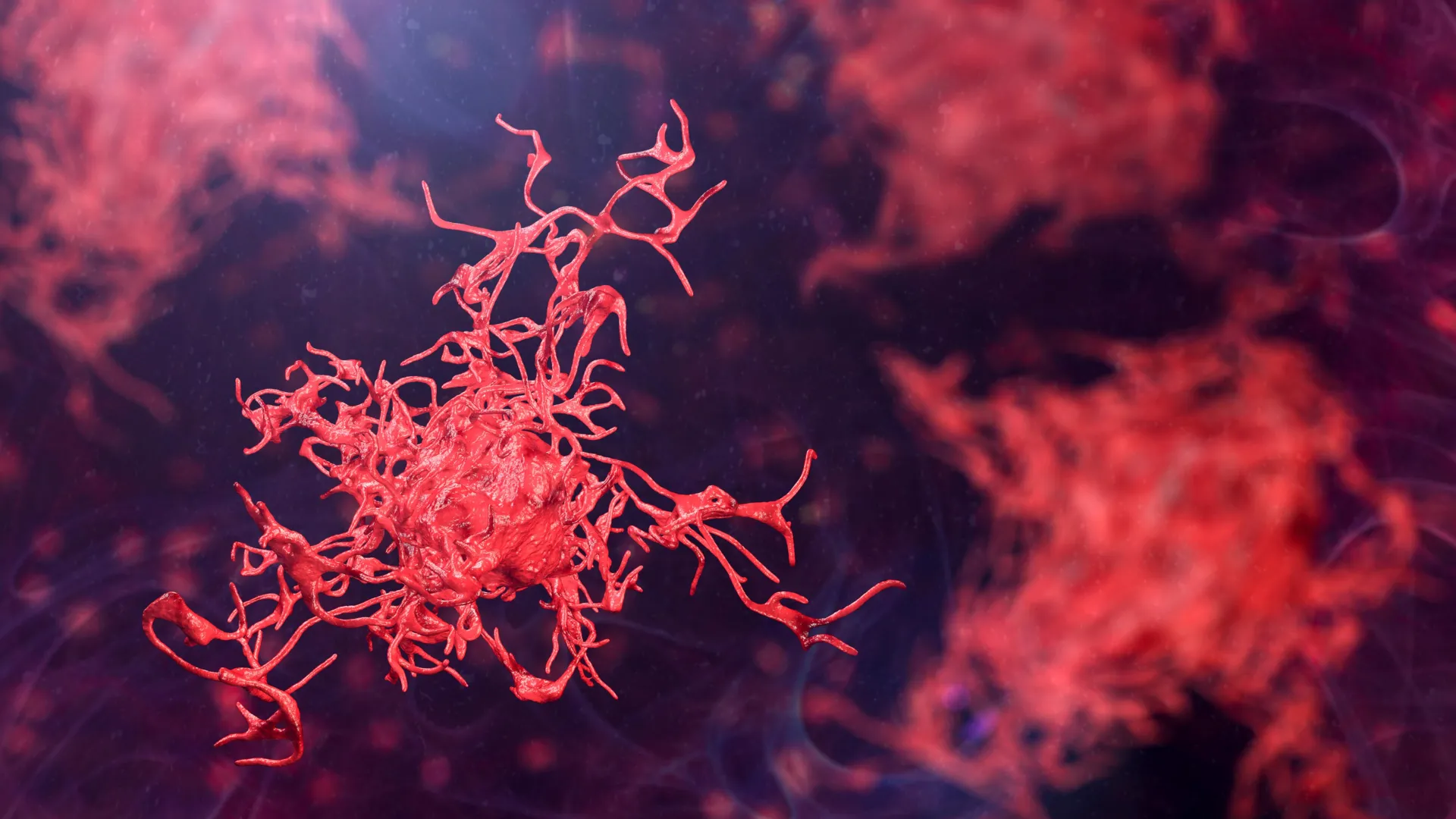
Environmental and public health researchers warn that a lesser-known group of microorganisms may pose an even greater threat to human health. These organisms, known as free-living amoebas, exist in water and soil, but scientists say they are becoming increasingly concerned about some species as the world warms and water systems age.
According to an opinion published in a scientific journal biological contaminantsresearchers explain that free-living amoebas are an overlooked public health risk that requires more attention. They point to climate change, aging water infrastructure and weak monitoring systems as factors that could make the dangerous amoeba more prevalent and difficult to control.
Why some amoebas are dangerous
Amoebas are single-celled organisms that commonly live in natural environments such as lakes, rivers, soil, and water systems. Most are not harmful to humans, but a small number can cause serious illness.
One of the most well-known examples is Naegleria fowlerisometimes called the brain-eating amoeba. This microorganism can cause a rare but very fatal brain infection if contaminated water enters the nose during swimming or other water activities.
“What makes these organisms particularly dangerous is their ability to survive conditions that kill many other microorganisms,” said corresponding author Longfei Xu of Sun Yat-sen University. “They can withstand high temperatures and powerful disinfectants such as chlorine, and can even live in water distribution systems that people think are safe.”
A hidden haven for other pathogens
The danger doesn’t just come from the amoeba itself. Researchers also warn that amoeba can act as a home for other harmful microorganisms.
Bacteria and viruses may be hidden inside the amoeba and protected from disinfectants and other treatments. This may allow some pathogens to persist longer and spread more effectively in drinking water systems. Scientists call this the Trojan horse effect, and researchers say it may also play a role in the spread of antibiotic resistance.
Climate change could magnify risks
Rising global temperatures could make the problem even worse. Heat-loving amoebas can survive and spread in areas where they were once rare, increasing the likelihood of human infection.
Recent outbreaks linked to recreational waters have already caused concern in several countries. As warmer conditions become more widespread, scientists say water managers and health officials may need to prepare for risks once thought to be rare or limited to certain regions.
Researchers call for stronger water safety measures
The authors call for a coordinated One Health strategy that integrates human health, environmental science, and water management. They say better surveillance, faster diagnostic tools and more advanced water treatment technologies are needed to reduce the risk before infections occur.
“Amoebas are not just a medical or environmental problem,” Shu says. “They sit at the intersection of both, and addressing them requires integrated solutions that protect public health at its source.”
