


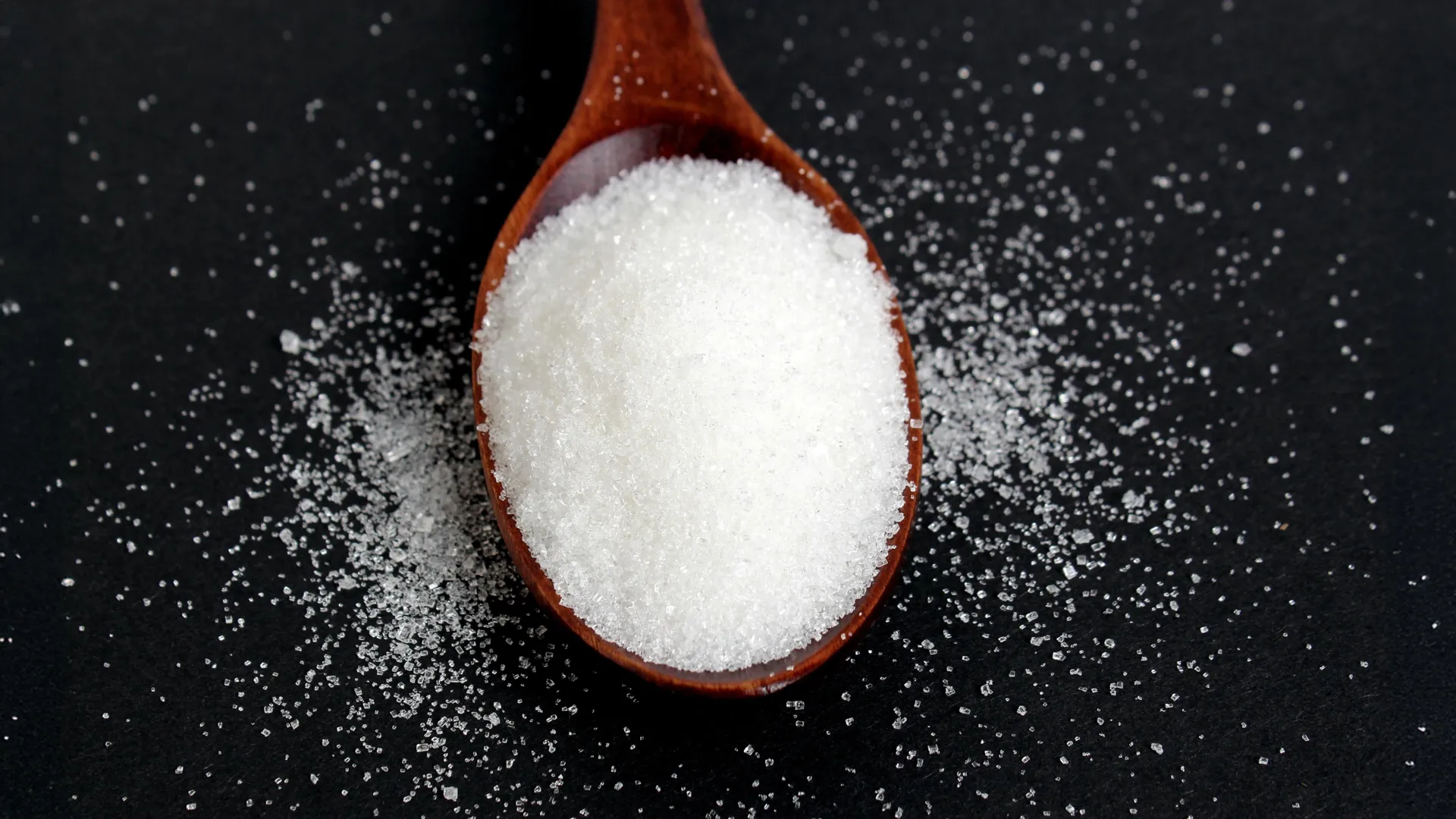
A growing body of research points out that fructose is more than just a source of additional calories. New report published natural metabolism It highlights the unique role of sugar in metabolic diseases and suggests that its effects on the body may be more harmful than previously understood.
Researchers reviewed the evidence on commonly used sweeteners, such as sugar (sucrose) and high fructose corn syrup. Although both contain glucose and fructose, fructose behaves differently in the body and may play a more direct role in obesity and related health problems, scientists say.
“Fructose is more than just a calorie,” says study lead author Richard Johnson, M.D., professor at the University of Colorado Anschutz College. “It acts as a metabolic signal that promotes fat production and storage in a fundamentally different way than glucose.”
Effects of fructose on metabolism
According to the report, fructose is processed through metabolic pathways that bypass some of the body’s normal regulatory controls. This process can increase fat production, lower cellular energy levels (ATP), and produce compounds associated with metabolic dysfunction.
Over time, these biological changes can increase the risk of metabolic syndrome, a group of conditions associated with obesity, insulin resistance, and cardiovascular disease.
Researchers also note that exposure to fructose is not limited to food and drink. The human body is capable of producing fructose from glucose internally, suggesting that fructose’s involvement in disease may be more extensive and complex than scientists once believed.
Concerns over rising sugar consumption
The findings come as obesity and diabetes rates continue to rise around the world. Although consumption of sugar-sweetened beverages is decreasing in some countries, intake of ‘free sugars’ still exceeds recommended amounts in many parts of the world and is still increasing in others.
Researchers suggest that fructose may once have provided an evolutionary advantage. By helping the body store energy efficiently, it may have supported survival during periods of famine and food shortages. However, in modern environments where calorie-dense foods are constantly available, the same biological mechanisms may contribute to chronic disease.
“This review highlights fructose as a central figure in metabolic health,” said Johnson. “Understanding its unique biological effects is important for developing more effective strategies to prevent and treat metabolic diseases.”
