


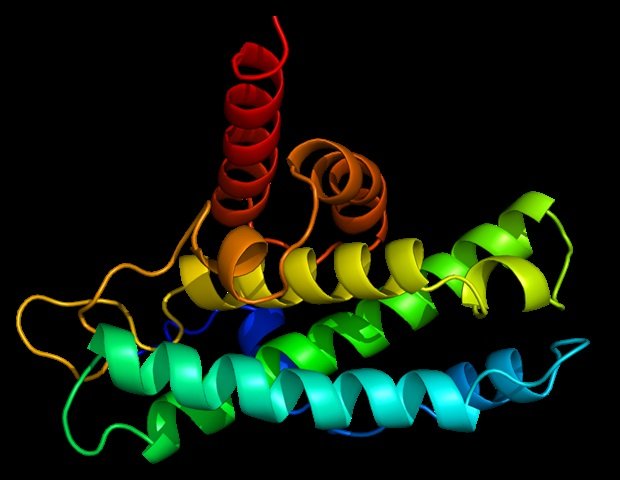
New research identifies CAR3 as an important osteoblast protein that promotes collagen mineralization, bone formation, and skeletal regeneration.
The skeletal system forms the structural framework of the body, with bones providing support, protection, and mobility. Bone tissue is primarily composed of collagen, minerals such as calcium, and specialized non-collagenous proteins, which together provide strength and flexibility. Bone health is maintained by the coordinated activity of osteoblasts, the cells responsible for building and mineralizing bone, osteoclasts, which destroy bone tissue, and osteocytes, which help regulate bone remodeling. Among these, osteoblasts play a particularly important role in biomineralization, the process by which minerals are deposited within the collagenous framework to form hardened bone tissue. However, the molecular mechanisms regulating osteoblast differentiation and mineralization are still incompletely understood.
Previous studies have identified carbonic anhydrase III (CAR3) as a protein associated with osteoblast differentiation, and its expression increases during osteoblast maturation. However, its precise role in skeletal development and bone formation remained unclear.
To address this gap, a research team led by Dr. Fangfang Song and Professor Yufeng Zhang from Wuhan University investigated the function of CAR3 in skeletal development using a genetically engineered mouse model. Their findings were published on May 19, 2026. International Journal of Oral Sciences.
“Osteoblasts play an important role in skeletal development, so we investigated the molecular mechanisms involved in osteoblast differentiation. This may help develop new therapeutic strategies for bone diseases.” Discussing the motivation behind the study, Dr. Song explained:
The researchers first analyzed a publicly available single-cell RNA-seq dataset from the developing mouse skull to examine the spatial and temporal expression of RNA. Car 3the gene encoding CAR3. they discovered it Car 3 was highly activated in osteoblastic lineage cells during early fetal cranial development, particularly between embryonic days 14.5 and 15.5, a period associated with active bone mineralization. In addition to the craniofacial bones, Car 3 Expression was also observed in bones of the extremities, ribs, and spine. Interestingly, on the other hand, Car 3 Expression in young mice was closely associated with collagen-producing osteoblasts, and in older mice, expression shifted to adipocytes.
Further experiments revealed that RUNX2, a master transcription factor involved in bone formation, is directly regulated. Car 3 Expression during osteoblast differentiation. The researchers also discovered that CAR3 formed a molecular complex with collagen type I alpha 1 (COL1A1), which subsequently recruited bone sialoprotein (BSP), a key structural component involved in mineral deposition. This ternary complex promoted collagen intrafibril mineralization, a process essential for generating strong and properly mineralized bone tissue.
To investigate the functional importance of CAR3, the research team selectively deleted CAR3. Car 3 Skeletal stem cells of the Prx1 lineage contribute to skeletal and connective tissue development. Early femoral bone development was largely unaffected, whereas femoral bone development was largely unaffected in adult mice. Car 3 showed decreased osteoblast activity, defective collagen mineralization, reduced bone formation, and decreased bone density, highlighting the important role of CAR3 in maintaining skeletal integrity.
The researchers then investigated the therapeutic potential of CAR3 in bone regeneration. In a mouse model with bone defects, implantation of recombinant CAR3-functionalized collagen scaffolds significantly promoted new bone formation, increased bone mass, promoted osteoblast recruitment, and improved bone matrix mineralization after 8 weeks.
Professor Zhang commented on the potential implications of the discovery: “Our mouse experiments revealed that applying collagen functionalized with CAR3 promoted bone formation. Therefore, the regulatory effect of Car3 on osteoblast differentiation could be exploited for the treatment of bone diseases.”
Taken together, these findings identify CAR3 as a previously unrecognized regulator of osteoblast differentiation and collagen mineralization. By revealing how CAR3 regulates bone formation and regeneration, this study provides new insights into skeletal biology and highlights the potential of CAR3-based biomaterials and regenerative strategies to treat osteoporosis, fractures, and other bone diseases.
sauce:
Reference magazines:
Ma, X, Others. (2026). Osteoblast-derived CAR3 synergizes with collagen and bone sialoprotein to promote bone formation. International Journal of Oral Sciences. DOI: 10.1038/s41368-026-00443-6. https://www.nature.com/articles/s41368-026-00443-6
