


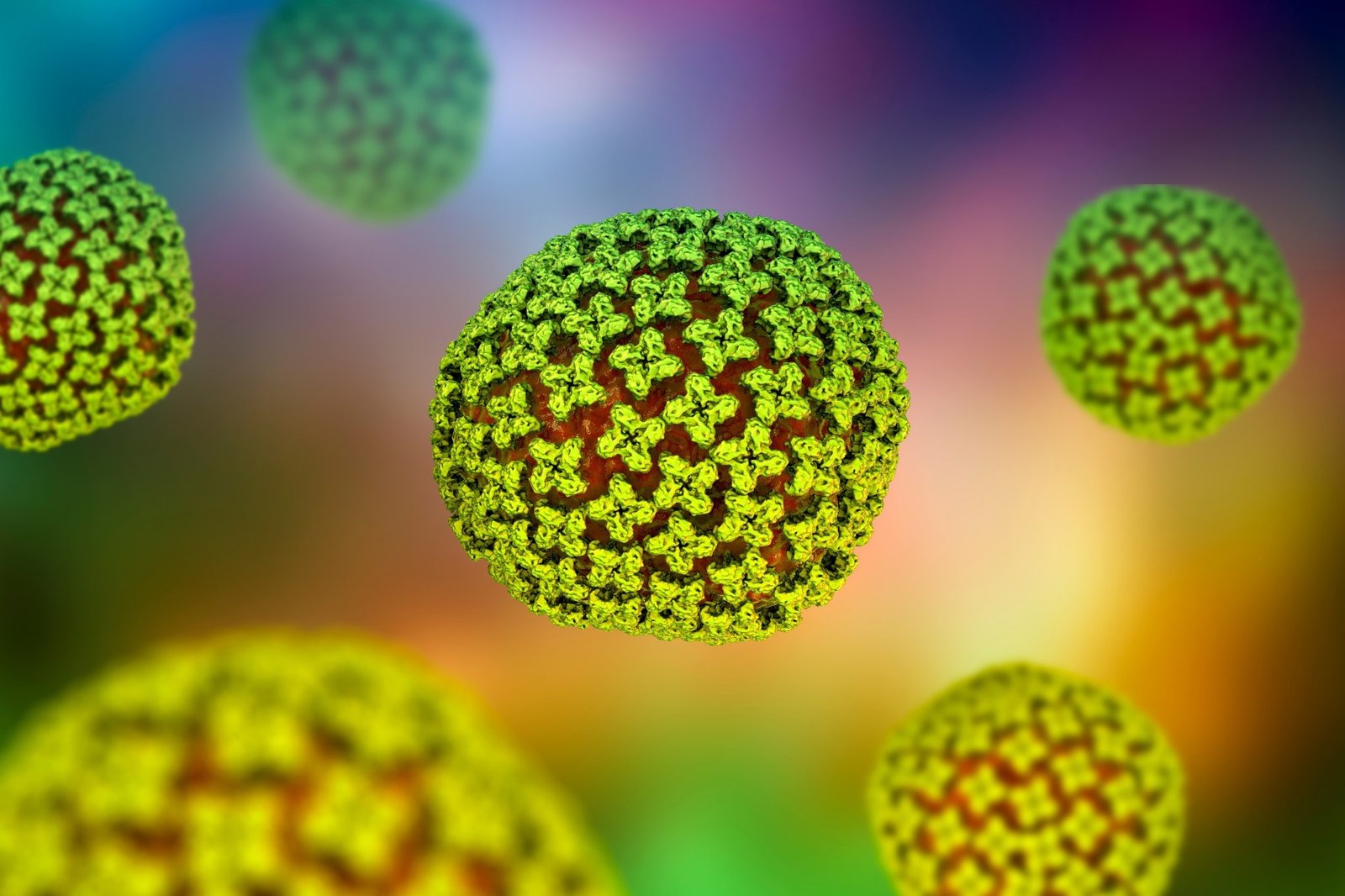
A large-scale drug repurposing screen of more than 5,000 compounds reveals unexpected antiviral power in a common antibiotic, providing a rapid pipeline to treat life-threatening orthohantavirus infections.
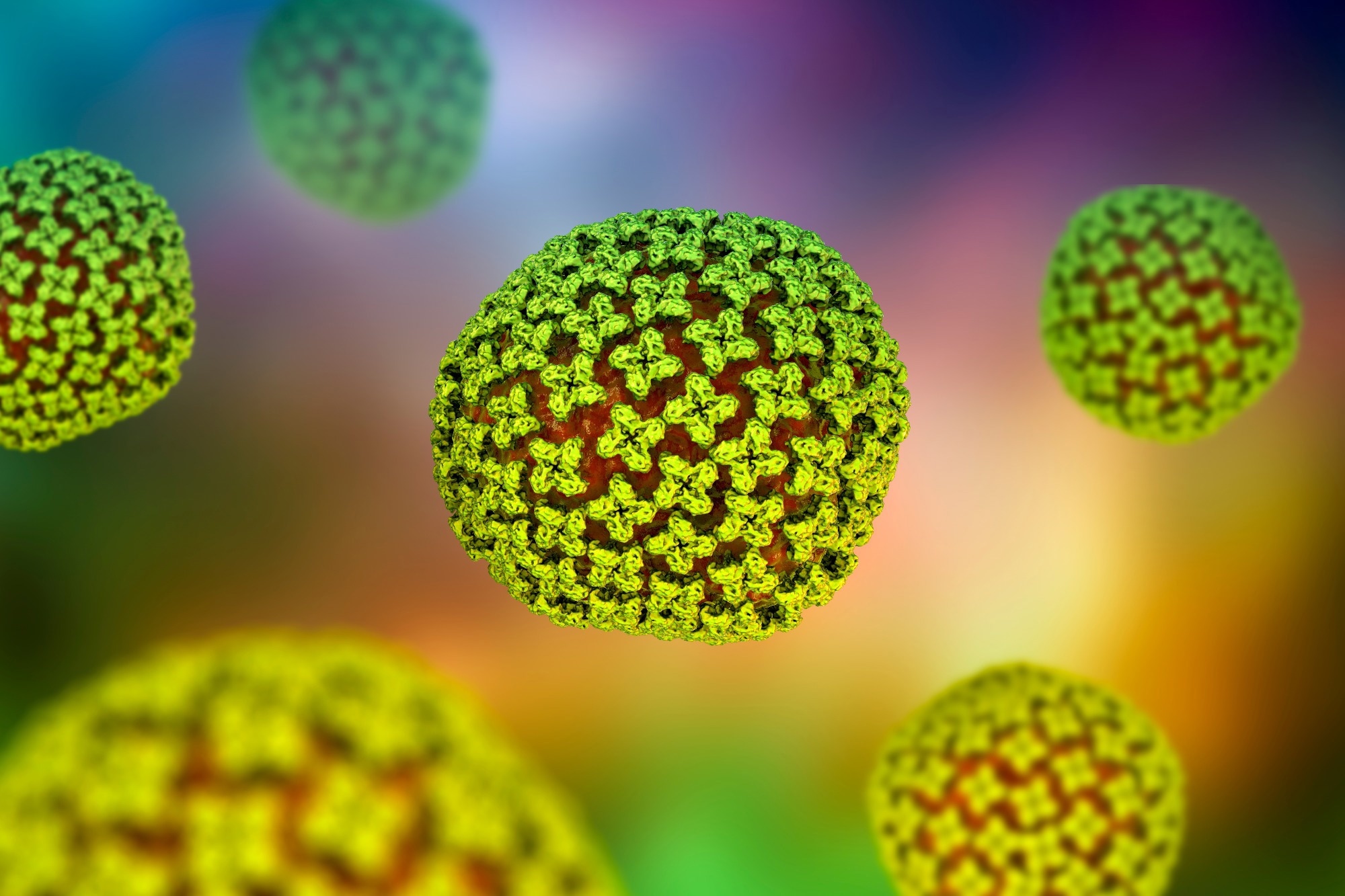
Research: Drug repurposing screening identifies antiviral compounds against Puumara orthohantavirus. Image credit: Kateryna Kon / Shutterstock
In a recent study published in the journal scientific reportresearchers conducted a high-throughput phenotypic drug screen using live Puumara virus (PUUV) to speed the discovery of treatments for diseases caused by orthohantaviruses.
In this study, we screened 5,256 compounds and identified 70 validated host-directed therapies that successfully inhibited viral infection across human lung and endothelial cells. The findings further map key cellular pathways essential for viral replication and highlight immediate candidates, including previously unexpected antibiotics, for clinical exploration against diseases caused by potentially deadly orthohantaviruses, such as renal hemorrhagic fever syndrome (HFRS) and hantavirus pulmonary syndrome (HPS).
background
Orthohantaviruses are a genus of rodent-borne viruses known to cause life-threatening zoonotic infections in humans when humans inhale aerosols contaminated with rodent excreta (urine, feces, or saliva). Intensive medical research has revealed that specific orthohantavirus strains are responsible for one of two serious viral diseases. 1. Hantavirus pulmonary syndrome (HPS) is endemic in the Americas with a documented mortality rate of 30% to 40%. 2. Hemorrhagic fever with renal syndrome (HFRS) is a less severe but still potentially fatal (approximately 1% mortality rate) disease that is prevalent throughout Europe. Asia.
Puumara virus (PUUV) was discovered in 1980 as the main pathogen causing HFRS in Europe. The virus was found to cause severe flu-like symptoms in infected people, along with severe abdominal pain and sudden kidney failure. Subsequently, despite decades of research aimed at identifying pharmacological interventions against PUUV, no European Medicines Agency (EMA) or Food and Drug Administration (FDA) approved vaccine or specific treatment has yet been identified, and clinical interventions for this disease are limited to supportive treatment of symptoms.
About research
This study aimed to overcome the methodological and computational limitations of previous anti-orthohantavirus drug discovery efforts by developing an automated microscope-based platform to observe live PUUVs interacting with human host cells.
Research data were obtained from the Drug Repurposing Hub Library, which consists of an extensive collection of 5,256 FDA-approved clinical and preclinical small molecules. These molecules were screened for anti-PUUV ability using a two-step process. This process first utilized A549 human lung adenocarcinoma epithelial cells for primary screening purposes and then human umbilical vein endothelial cells (HUVECs, primary human vascular cells) to validate molecules that passed the initial screen to recapitulate the propensity of the virus to actually attack human blood vessels.
The automated component of this study’s methodological approach was performed by incubating human cell lines with selected small molecules (“drugs”) for 6 hours, followed by addition of live PUUV at a multiplicity of infection (MOI) of 3. After 24 hours, cells were fixed and labeled by immunofluorescence using convalescent patient serum to detect viral proteins.
At the same time, blue fluorescent dyes “Hoechst 33342” and “CellTracker” were used to stain cell nuclei and cell bodies, respectively. After successful staining, the plates were scanned using a high-content automated microscope and quantitative analysis (Cell Profiler program) determined the exact ratio of infected cells to total viable cells.
Research results
The primary screening platform for this study (A549 cell line) demonstrated an initial development Z-prime of 0.7 and an average Z-prime of 0.41 throughout the full-scale screen. This framework has been statistically validated to detect changes in viral replication, and control treatments (such as the antiviral drug ribavirin) significantly reduced baseline infection rates (p < 0.0001 in the example provided).
Encouragingly, 151 of the 5,256 molecules tested in the primary screen were recognized as antiviral drug candidates, and each was able to reduce infection rates by at least 2-fold compared to controls. These analyzes also revealed 23 proviral candidates (e.g., histone deacetylase (HDAC) inhibitors such as CI994) that significantly (up to 400%) increase the number of infected cells, providing information useful for future PUUV intervention policies.
A subsequent multiple-dose validation study confirmed 70 major antiviral hits in both cell lines. Of these validated antivirals, 34 compounds showed potent activity in both cell types, 25 compounds showed specific activity in A549 lung cells, and 11 compounds showed preference for HUVEC vascular cells. For flagged proviral candidates, 21 of 23 primary hits were confirmed and demonstrated clinically relevant efficacy primarily in the A549 cell line.
These 70 validated antiviral drug hits were found to cluster closely around critical biological mechanisms: 1. nucleotide biosynthesis inhibitors (e.g., mycophenolic acid and related inosine monophosphate dehydrogenase (IMPDH) blockers), 2. rapamycin (mTOR) pathway and heat shock protein (HSP90) inhibitors, and 3. beta-lactam antibiotics (e.g., cefodizime).
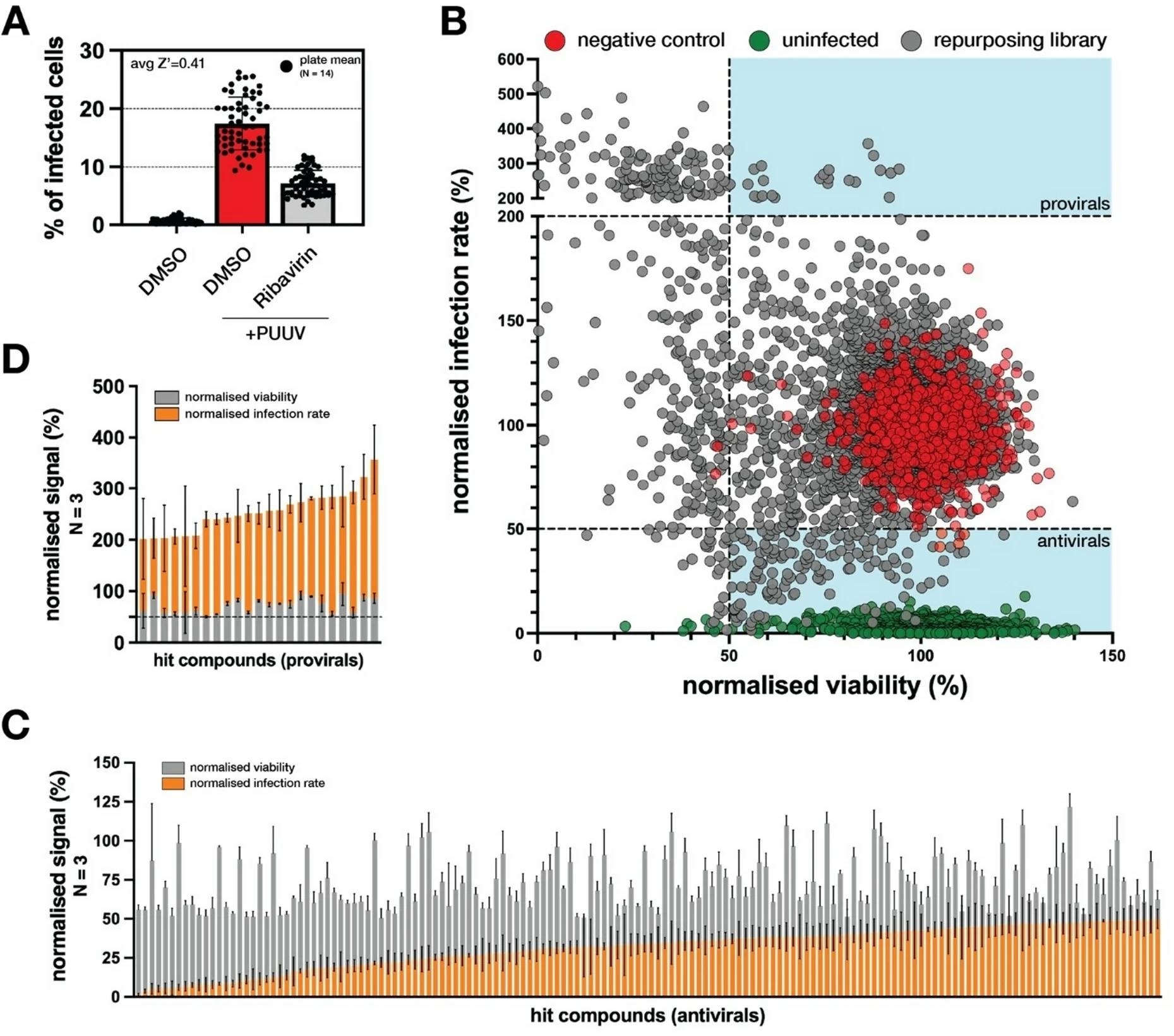
Primary screening data. a. Bar graph showing raw infection rates in control samples. Each data point represents one screening plate (14 samples per plate). Bars indicate mean ± SD. B. Scatter plot of primary screening results showing normalized infection rate and normalized survival rate. Normalization was performed on DMSO-treated PUUV-infected samples. Gray dots represent screened compounds, red dots represent vehicle control, and green dots represent uninfected control. The dashed line indicates the hit call threshold. Shaded areas indicate areas classified as hits. C. Bar graph overlaying normalized survival rate (gray) and normalized infection rate (orange) for all candidate antiviral drugs. Bars indicate mean ± SD from triplicate screening plates. D. Bar graph overlaying normalized survival rate (gray) and normalized infection rate (orange) for all candidate proviruses. Bars indicate mean ± SD from triplicate screening plates.
conclusion
This groundbreaking drug repurposing study provides the scientific knowledge needed to move hantavirus research from narrow hypothesis-based exploration to a systematic blueprint of host-virus dependence. The discovery of the antiviral properties of β-lactam antibiotics has introduced an unexpected, low-toxicity therapy. Going forward, these 70 clinically-ready candidates will provide an immediate priority pipeline for animal model validation, moving science closer to the first approved treatments for this neglected global threat.
Want to read it later? Click here to download a PDF copy.
Reference magazines:
- Christ, W., Porebski, B., Fernandez-Capetillo, O., and Klingstrom, J. (2026). Drug repurposing screening identifies antiviral compounds against Puumala orthohantavirus. Scientific Reports, 16(1). Toi – 10.1038/s41598-026-57843-1 https://www.nature.com/articles/s41598-026-57843-1
