


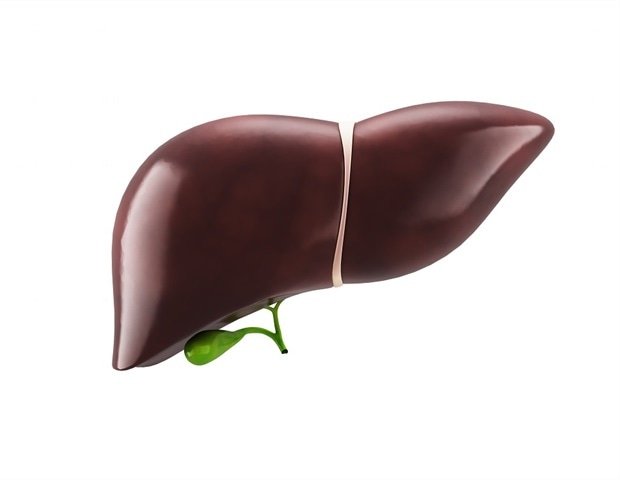
A study conducted at the University of Jyväskylä in Finland is the first to investigate the effects of the prebiotic xylooligosaccharide (XOS) on fatty liver in humans. The findings of this study suggest that fiber supplements may reduce harmful metabolic byproducts in the gut, thereby improving liver health. Importantly, the composition of the gut microbiota before taking the supplement influences the observed effects.
Metabolic dysfunction-associated fatty liver disease (MASLD) is a common comorbidity of overweight and obesity, affecting approximately 75% of overweight individuals. If left untreated, it can progress to cirrhosis and liver cancer. Although lifestyle changes remain the main treatment approach, adherence to them is often difficult, highlighting the need for complementary therapies.
Fiber supplements reduce harmful intestinal metabolites
In a study conducted at the Faculty of Sports and Health Sciences at the University of Jyväskylä, 42 overweight adults took 2.8 grams of XOS prebiotics daily for four months. Prebiotics are dietary fibers that reach the colon undigested by human enzymes and support the balance of the gut microbiome. Liver fat content was assessed using magnetic resonance imaging before and after the intervention.
The results showed that XOS reduces the levels of certain harmful amino acid-derived metabolites in the intestine that have previously been associated with liver fat accumulation.
Our findings suggest that XOS, when applied to the appropriate target group, can restore intestinal fermentation balance and reduce the production of harmful metabolites, thereby benefiting liver health. ”
Jukka Hintikka, lead author of the study
Baseline gut microbiota influences response to intervention
This prebiotic appears to be most effective in people whose gut flora is imbalanced to begin with. These people showed signs of increased protein fermentation compared to carbohydrate fermentation in their intestines. XOS supplementation helped restore balance to the microbial composition. A decrease in visceral fat was also observed in this subgroup.
In contrast, weaker or no prebiotic effects were observed in participants whose blood markers suggested more advanced stages of fatty liver disease.
This study is the first clinical trial in humans to examine the effects of XOS prebiotics on liver fat. This finding is consistent with previous animal studies showing that XOS reduced fatty liver in rats.
“In the future, our findings may contribute to the development of individualized treatments for fatty liver disease,” Hintikka says. “However, larger and more targeted studies are still needed to confirm these results.”
The study was published in the journal NPJ Gut and Liver.
This research was funded by an Academy Research Fellowship grant awarded to Satu Pekkala.
sauce:
University of Jyväskylä
Reference magazines:
Hintikka, J.E.; Others. (2026). Prebiotic xylooligosaccharides for the reduction of fatty liver: Results of a 4-month dietary intervention and determinants of response. npj intestine and liver. Doi: 10.1038/s44355-026-00066-y. https://www.nature.com/articles/s44355-026-00066-y
