


The development of a pioneering gene therapy to treat a devastating rare immune disease led by UCL scientists is about to move to the next stage following promising early preclinical studies.
CTLA-4 deficiency is a rare disease of white blood cells known as regulatory T cells, which normally help regulate the immune system, and effector T cells, which protect the body from repeated infections and cancer.
This is caused by the lack of the CTLA-4 protein, which is produced by a specific gene. Most people have two functioning copies of the gene, but people with the disease have only one functioning copy, which does not produce enough protein to properly regulate the immune system.
The traditional method of treating this disease is a bone marrow transplant, which replaces the stem cells responsible for producing T cells. However, transplantation is risky and unsuitable for many elderly and frail patients.
Over the past few years, the UCL team has developed new ways to treat this condition. It involves replacing defective genes in immune cells with healthy ones, rather than in the entire cell.
Early preclinical studies have shown promising results in improving control of the immune system by modifying cells.
The team’s research is now set to progress toward a planned first-in-human Phase 1 clinical trial in up to eight patients aged 1 to 65 years, scheduled to begin in 2028.
The UCL-led research is supported by NHS Blood and Transplants (NHSBT) and Great Ormond Street Hospital (GOSH) and funded by self-funded medical research organization LifeArc.
Lead researcher Dr Thomas Fox, UCL Institute of Infection, Immunology and Transplantation, said: “This is a highly collaborative effort to bring new treatments to patients with CTLA-4 deficiency.”
“By correcting genetic defects in patients’ own T cells, we hope to provide a treatment that addresses the root cause of the disease. This is an important step forward for patients who currently have very limited options.”
Co-investigator Professor Claire Booth, Mahbouvian Professor of Gene Therapy at UCL Great Ormond Institute of Child Health and Consultant in Pediatric Immunology at GOSH, said: “We are working to advance pioneering cell and gene therapies for children with rare and complex immune diseases.”
“By acting as sponsor and manufacturer of this trial, Great Ormond Street Hospital is demonstrating its continued commitment to turning innovative science into clinical benefit.”
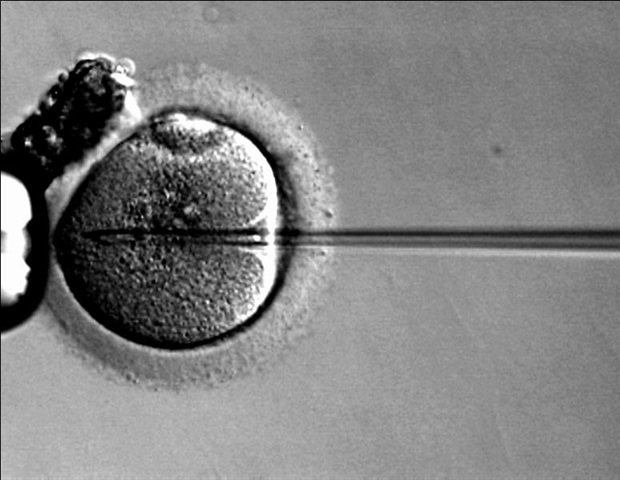
This gene editing approach uses the Nobel Prize-winning gene editing technology CRISPR/Cas9 to target the defective CTLA-4 gene and cut it in two.
The modified DNA sequence is then delivered to the cells using a modified virus. This is then pasted onto the defective part of the gene using the cellular DNA repair machinery known as homology-directed repair.
This allowed the researchers to preserve key sequences known as introns within the CTLA-4 gene, which could be turned on and off by cells only when needed.
If successful, this new treatment could provide a long-term treatment option and reduce the need for lifelong treatment or bone marrow transplants, the researchers said. It could also help pave the way for similar treatments for other rare immune diseases, the researchers added.
Dr Susan Walsh, chief executive of Immunodeficiency UK, said: “Living with an immunodeficiency such as CTLA 4 deficiency can impact on every part of a family’s life, and patients urgently need better options.”
“For our community, this groundbreaking research provides hope that we may one day be able to treat this condition at its root.
“This therapy also paves the way for the treatment of a variety of other rare immune diseases.”
This is an important milestone in advancing truly innovative treatments for life-limiting rare diseases.
Although more research is needed, these advances demonstrate the potential for innovative cell and gene therapies to transform outcomes for patients with rare diseases. ”
Sam Barrell, CEO, LifeArc
Dr Paul Lloyd-Evans, Director of the NHSBT Center for Clinical Biotechnology, said: “By supporting this world-leading trial, we hope to save and improve even more lives.”
Professor Booth and co-investigator Professor Emma Morris (UCL Institute of Infection, Immunology and Transplantation) are supported by the National Institute for Health and Care Excellence Biomedical Research Center at Great Ormond Street Hospital and University College London Hospital, respectively.
sauce:
university college london
