

Close Menu

    Subscribe to Updates

    Get the latest creative news from FooBar about art, design and business.

    What's Hot

    Epic, Cleveland Clinic joins CMS preclearance effort

    May 14, 2026

    After 100 years, scientists finally uncover the hidden laws behind cosmic rays

    May 14, 2026

    Women score higher than men on fluid intelligence tests when they can express uncertainty.

    May 14, 2026
    Facebook X (Twitter) Instagram
    Facebook X (Twitter) Instagram
    Health Magazine
    • Home
    • Environmental Health
    • Health Technology
    • Medical Research
    • Mental Health
    • Nutrition Science
    • Pharma
    • Public Health
    • Discover
      • Daily Health Tips
      • Financial Health & Stability
      • Holistic Health & Wellness
      • Mental Health
      • Nutrition & Dietary Trends
      • Professional & Personal Growth
    • Our Mission
    Health Magazine
    Home » News » New neuroimaging study maps brain networks behind scientific and creative thinking
    Mental Health

    New neuroimaging study maps brain networks behind scientific and creative thinking

    healthadminBy healthadminMarch 19, 2026No Comments4 Mins Read
    New neuroimaging study maps brain networks behind scientific and creative thinking
    Share
    Facebook Twitter Reddit Telegram Pinterest Email


    Scientists have identified brain networks that work together when people generate creative scientific ideas, according to a new study published in . Psychology of aesthetics, creativity, and art.

    Creativity is often associated with art, but scientists rely on it just as much, especially when creating new hypotheses and explanations for puzzling phenomena. Nevertheless, scientific creativity has received far less attention than artistic creativity, or general creative thinking that does not require expertise in a particular field.

    Previous research has demonstrated that creative thinking generally tends to involve three major brain networks. The first is the default mode network, which helps people tap into their memory and imagination. The second is the executive control network, which helps us evaluate ideas, suppress overt reactions, and maintain goals. The third is the salience network, which helps the brain switch between different modes of thinking (i.e., the default mode network and the executive control network).

    These networks are known to interact during tasks such as brainstorming unusual uses for everyday objects, but researchers were unsure whether scientific creativity uses the same or different systems.

    To address this gap in the literature, a research team led by Roger E. Beatty at Penn State University scanned the brains of 47 undergraduate STEM students (28 women, 16 men, and 3 unreported; mean age 19 years).

    These participants completed two tasks. In the main task, students were presented with a scientific scenario, such as an island where all the flowers are the same color, and asked to come up with a novel and scientifically plausible hypothesis to explain it. In the comparison task, participants were shown scientific texts and asked to think of synonyms for the highlighted verbs. Both tasks required generating a response, but only the hypothesis task required creative thinking.

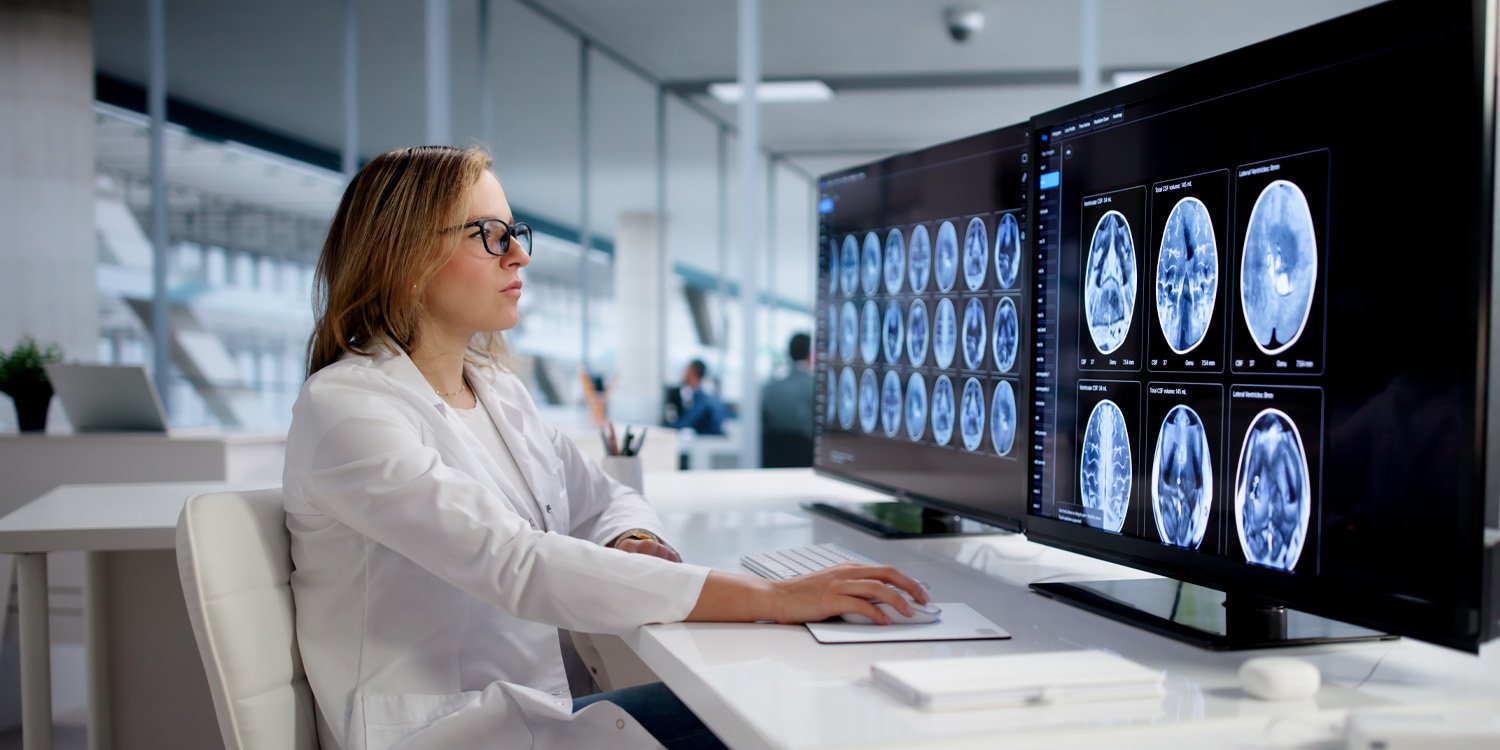
    The researchers used functional magnetic resonance imaging (fMRI) to record brain activity and then applied a data-driven technique called multivariate pattern analysis (MVPA) to identify clusters of brain tissue that behaved differently between the two tasks. This revealed important hubs in three networks: the default mode network (particularly the posterior cingulate cortex), the salience network (right anterior insula), and the semantic control area of ​​the left inferior frontal gyrus.

    The researchers then looked at how these hubs are connected to the rest of the brain during hypothesis generation. They found that networks communicate with each other more during creative thinking. For example, the left inferior frontal gyrus showed stronger connectivity with memory-related areas within the default network. The right anterior insula also showed increased communication with the default network region. At the same time, communication within individual networks was reduced, suggesting that networks were not operating in isolation, but rather were working together across boundaries.

    “The results of this study suggest that scientific creative thinking recruits similar brain systems as (general) creative thinking and may reflect coordination between generative and evaluative cognitive processes to construct unique explanations of scientific phenomena,” Beatty et al. concluded. In other words, developing a scientific hypothesis requires both imagination and control. In other words, you need to use memory and mental simulations to guide your thinking toward your own plausible explanations.

    It must be noted that this study has limitations. For example, the researchers grouped all STEM students together and did not compare participants from different subfields (e.g., chemistry and biology). Additionally, the authors noted that the study featured an unbalanced sex ratio, which is relevant given the known subtle differences in how male and female brain networks work.

    Ultimately, the researchers hope these findings will pave the way for “educational neuroscience.” Understanding the brain mechanisms behind scientific creativity will allow future researchers to track whether specific teaching methods and STEM curricula are successful in strengthening these creative brain networks in students over time.

    The study, “Brain networks that support scientific and creative thinking,” was authored by Roger E. Beatty, Robert A. Cortes, Hannah M. Marcille, Mariale M. Hardiman, and Adam E. Green.


    Source link

    Visited 18 times, 1 visit(s) today
    Share. Facebook Twitter Pinterest LinkedIn Telegram Reddit Email
    Previous ArticleWomen’s health could grow to $600 billion by 2030: PwC
    Next Article South Texas officials didn’t know Tesla was discharging lithium refinery wastewater into local ditches
    healthadmin

    Related Posts

    Women score higher than men on fluid intelligence tests when they can express uncertainty.

    May 14, 2026

    Brain cells store competing memories that promote or inhibit alcohol relapse

    May 14, 2026

    Real-world evidence shows that generative AI is making human creative output more uniform

    May 14, 2026

    Americans systematically overestimate the number of social media users who engage in harmful behavior online

    May 14, 2026

    Scientists discover new connection between gut, brain and heart that regulates blood pressure

    May 14, 2026

    Research reveals key factors for successful social media mental health interventions

    May 14, 2026
    Add A Comment

    Comments are closed.

    Categories

    • Daily Health Tips
    • Discover
    • Environmental Health
    • Exercise & Fitness
    • Featured
    • Featured Videos
    • Financial Health & Stability
    • Fitness
    • Fitness Updates
    • Health
    • Health Technology
    • Healthy Aging
    • Healthy Living
    • Holistic Healing
    • Holistic Health & Wellness
    • Medical Research
    • Medical Research & Insights
    • Mental Health
    • Mental Wellness
    • Natural Remedies
    • New Workouts
    • Nutrition
    • Nutrition & Dietary Trends
    • Nutrition & Superfoods
    • Nutrition Science
    • Pharma
    • Preventive Healthcare
    • Professional & Personal Growth
    • Public Health
    • Public Health & Awareness
    • Selected
    • Sleep & Recovery
    • Top Programs
    • Weight Management
    • Workouts
    Popular Posts
    • 1773313737_bacteria_-_Sebastian_Kaulitzki_46826fb7971649bfaca04a9b4cef3309-620x480.jpgHow Sino Biological ProPure™ redefines ultra-low… March 12, 2026
    • the-pros-and-cons-of-paleo-dietsThe Pros and Cons of Paleo Diets: What Science Really Says April 16, 2025
    • pexels-david-bartus-442116The food industry needs to act now to cut greenhouse… January 2, 2022
    • 1773729862_TagImage-3347-458389964760995353448-620x480.jpgDespite safety concerns, parents underestimate the… March 17, 2026
    • Improve Mental Health10 Science-Backed Practices to Improve Mental Health… March 11, 2025
    • 1773209206_futuristic_techno_design_on_background_of_supercomputer_data_center_-_Image_-_Timofeev_Vladimir_M1_4.jpegMulti-agent AI systems outperform single models… March 11, 2026

    Demo
    Stay In Touch
    • Facebook
    • Twitter
    • Pinterest
    • Instagram
    • YouTube
    • Vimeo
    Don't Miss

    Epic, Cleveland Clinic joins CMS preclearance effort

    By healthadminMay 14, 2026

    A number of health care providers and technology organizations are backing the Centers for Medicare…

    After 100 years, scientists finally uncover the hidden laws behind cosmic rays

    May 14, 2026

    Women score higher than men on fluid intelligence tests when they can express uncertainty.

    May 14, 2026

    Huge ‘stealth’ magma surge triggers thousands of earthquakes beneath Atlantic island

    May 14, 2026

    Subscribe to Updates

    Get the latest creative news from SmartMag about art & design.

    HealthxMagazine
    HealthxMagazine

    At HealthX Magazine, we are dedicated to empowering entrepreneurs, doctors, chiropractors, healthcare professionals, personal trainers, executives, thought leaders, and anyone striving for optimal health.

    Our Picks

    Huge ‘stealth’ magma surge triggers thousands of earthquakes beneath Atlantic island

    May 14, 2026

    Scientists say taking a daily multivitamin may slow aging

    May 14, 2026

    Brain cells store competing memories that promote or inhibit alcohol relapse

    May 14, 2026
    New Comments
      Facebook X (Twitter) Instagram Pinterest
      • Home
      • Privacy Policy
      • Our Mission
      © 2026 ThemeSphere. Designed by ThemeSphere.

      Type above and press Enter to search. Press Esc to cancel.