

Close Menu

    Subscribe to Updates

    Get the latest creative news from FooBar about art, design and business.

    What's Hot

    Scientists have finally solved the mystery of yeast’s tiny centromeres

    March 10, 2026

    Light-guided evolution creates proteins that can switch, sense, and compute

    March 10, 2026

    Scientists have discovered a surprising way to boost the effects of exercise

    March 10, 2026
    Facebook X (Twitter) Instagram
    Facebook X (Twitter) Instagram
    Health Magazine
    • Home
    • Environmental Health
    • Health Technology
    • Medical Research
    • Mental Health
    • Nutrition Science
    • Pharma
    • Public Health
    • Discover
      • Daily Health Tips
      • Financial Health & Stability
      • Holistic Health & Wellness
      • Mental Health
      • Nutrition & Dietary Trends
      • Professional & Personal Growth
    • Our Mission
    Health Magazine
    Home » News » New CRISPR technology boosts mitochondrial function to treat heart failure
    Discover

    New CRISPR technology boosts mitochondrial function to treat heart failure

    healthadminBy healthadminMarch 9, 2026No Comments3 Mins Read
    Share
    Facebook Twitter Reddit Telegram Pinterest Email


    After a heart attack, the heart has a hard time recovering and maintaining energy. As a result, one-third of patients develop heart failure. Heart failure affects 6.8 million Americans and carries a high lifetime risk, with one in four adults in the United States expected to develop heart failure during their lifetime. Therefore, finding lasting treatments has become a medical priority.

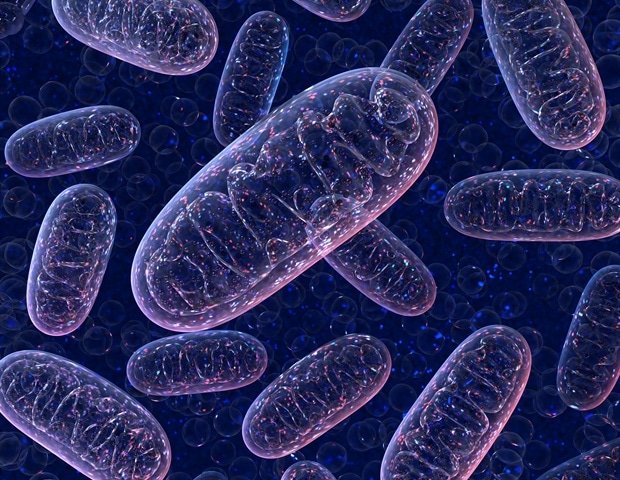
    Because heart failure is essentially an energy crisis of the heart, mitochondria, the organelles that exist within most cells and produce the energy they need to function, may be important allies in recovery. Researchers at Rice University and Baylor College of Medicine used CRISPR-based technology to induce heart cells to increase mitochondrial production to optimal levels, paving the way for new treatments for heart failure.

    Previous studies have shown that turning on certain genes increases mitochondrial number and function. However, older strategies overdriven cells, causing them to malfunction. We used a new technique to control internal regulatory pathways, allowing cells to safely generate more mitochondria without burning out. ”


    Mario Escobar, assistant professor of bioengineering at Rice University and lead author of the study published in the journal Molecular Therapy

    CRISPR (regularly interspaced short palindromic repeats) is a revolutionary gene editing technology that allows targeted editing of specific genes, enabling breakthrough therapies in the treatment of inherited blindness, muscular dystrophy, and most recently, Huntington’s disease.

    Researchers have developed a non-editing CRISPR system that specifically controls gene expression and acts as an “on” switch that encourages cells to collect more mitochondria.

    “What makes this study so powerful is the level of control,” said Isaac Hilton, associate professor of bioengineering at Rice University and corresponding author of the study.

    “Rather than forcing cells to overproduce genes, we used CRISPR to carefully adjust and fine-tune the cells’ natural control systems,” Hilton said. “This allows us to enhance mitochondrial performance while maintaining intracellular balance, a key requirement for safe clinical application.”

    When tested in a variety of human cell types, the system was successful in increasing the production of regulatory proteins and amplifying mitochondrial function and cellular energy levels. Importantly, when this system was applied to human cardiomyocytes (heart cells responsible for pump contraction), they improved their oxygen consumption rate, an indicator of improved mitochondrial function. The researchers tested the system in animal models as well as adult heart donor tissue taken from both normal and diseased hearts and found that mitochondrial function was similarly improved.

    “These results are very promising for the development of future treatments for heart failure and other metabolic diseases,” Escobar said.

    Current treatments for heart failure focus on reducing cardiac energy demand commensurate with energy supply disturbances.

    “Traditional approaches do not address the root of the problem and can lead to further complications over time,” said Ravi Ghanta, professor of surgery at Baylor University and co-author of the study. “Heart failure is expected to become more prevalent, so it’s especially important to focus on developing effective treatments. This study is an important step in that direction.”

    This research was supported by Baylor College of Medicine, the American Heart Association (917025, 25TPA1463933, 959536), and the National Institutes of Health (R01HL147921, R15HL168688, R01HL166280, R01HL163258, R35GM143532). The contents of this press release are solely the responsibility of the authors and do not necessarily represent the official views of the funding bodies.

    sauce:

    Reference magazines:

    Escobar, M. Others. (2026). CRISPR-Cas-based activation of PPARGC1A enhances endogenous mitochondria and enhances cardiac function after myocardial infarction. molecular therapy. DOI: 10.1016/j.ymthe.2026.02.027. https://www.sciencedirect.com/science/article/pii/S1525001626001139


    Source link

    Visited 1 times, 1 visit(s) today
    Share. Facebook Twitter Pinterest LinkedIn Telegram Reddit Email
    Previous ArticleDaily multivitamin intake is associated with delayed biological aging in older adults
    Next Article Women with tattoos feel more attractive, but experience similar body insecurities in the bedroom
    healthadmin

    Related Posts

    Boron neutron capture therapy shows promise for deadly brain tumors

    March 9, 2026

    Alcohol intake is associated with lower micronutrient intake in men with type 2 diabetes

    March 9, 2026

    Protein aggregates in the liver may protect against alcohol-induced damage

    March 9, 2026

    Daily multivitamin intake is associated with delayed biological aging in older adults

    March 9, 2026

    Biomimetic platform powers CAR T therapy for relapsed and refractory leukemia

    March 9, 2026

    Combining prostate cancer drugs and anticoagulants does not increase bleeding risk

    March 9, 2026
    Add A Comment
    Leave A Reply Cancel Reply

    Categories

    • Daily Health Tips
    • Discover
    • Environmental Health
    • Exercise & Fitness
    • Featured
    • Featured Videos
    • Financial Health & Stability
    • Fitness
    • Fitness Updates
    • Health
    • Health Technology
    • Healthy Aging
    • Healthy Living
    • Holistic Healing
    • Holistic Health & Wellness
    • Medical Research & Insights
    • Mental Health
    • Mental Wellness
    • Natural Remedies
    • New Workouts
    • Nutrition
    • Nutrition & Dietary Trends
    • Nutrition & Superfoods
    • Nutrition Science
    • Pharma
    • Preventive Healthcare
    • Professional & Personal Growth
    • Public Health
    • Public Health & Awareness
    • Selected
    • Sleep & Recovery
    • Top Programs
    • Weight Management
    • Workouts
    Popular Posts
    • the-pros-and-cons-of-paleo-dietsThe Pros and Cons of Paleo Diets: What Science Really Says April 16, 2025
    • Improve Mental Health10 Science-Backed Practices to Improve Mental Health… March 11, 2025
    • How Healthy Living Is Transforming Modern Wellness TrendsHow Healthy Living Is Transforming Modern Wellness… December 3, 2025
    • daily vitamin D needsWhy Sunlight Is Crucial for Your Daily Vitamin D Needs June 12, 2025
    • Healthy Living: Expert Tips to Improve Your Health in 2026Healthy Living: Expert Tips to Improve Your Health in 2026 November 16, 2025
    • The Science Behind Keto Diets: Is It Right for You?The Science Behind Keto Diets: Is It Right for You? April 11, 2025

    Demo
    Stay In Touch
    • Facebook
    • Twitter
    • Pinterest
    • Instagram
    • YouTube
    • Vimeo
    Don't Miss

    Scientists have finally solved the mystery of yeast’s tiny centromeres

    By healthadminMarch 10, 2026

    Centromeres serve the same basic purpose in almost all living organisms. These regions of DNA…

    Light-guided evolution creates proteins that can switch, sense, and compute

    March 10, 2026

    Scientists have discovered a surprising way to boost the effects of exercise

    March 10, 2026

    It turns out that hidden metabolism is working inside the cell nucleus

    March 10, 2026

    Subscribe to Updates

    Get the latest creative news from SmartMag about art & design.

    HealthxMagazine
    HealthxMagazine

    At HealthX Magazine, we are dedicated to empowering entrepreneurs, doctors, chiropractors, healthcare professionals, personal trainers, executives, thought leaders, and anyone striving for optimal health.

    Our Picks

    It turns out that hidden metabolism is working inside the cell nucleus

    March 10, 2026

    Boron neutron capture therapy shows promise for deadly brain tumors

    March 9, 2026

    Alcohol intake is associated with lower micronutrient intake in men with type 2 diabetes

    March 9, 2026
    New Comments
      Facebook X (Twitter) Instagram Pinterest
      • Home
      • Privacy Policy
      • Our Mission
      © 2026 ThemeSphere. Designed by ThemeSphere.

      Type above and press Enter to search. Press Esc to cancel.