


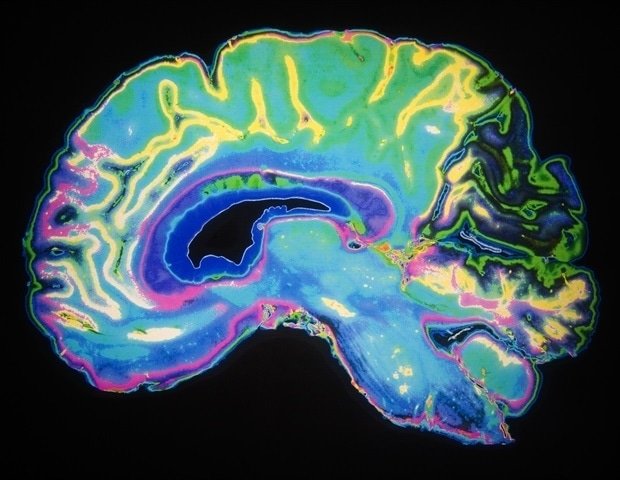
The cortex, the outer region of the brain, contains a specific layer of different cells, neurons, that are ordered similarly in all mammals, from the tiny mouse brain to the giant elephant brain. However, the proportions of different cell layers vary widely between species, and little is known about how and why this change occurs.
Now, after intense research into the development of brain cells, researchers at Osaka University suggest that these differences are related to the timing of specific signals in the brain during early development. These findings show that EMBO Journal.
The researchers began their investigation by focusing specifically on the rat’s cortex, noting that rats have a much larger deep upper cortical layer than seven other mammals, including mice.
Following this initial discovery, the rat brain was compared in more detail with its evolutionary relative, the mouse brain. Subsequent studies reported that this difference was not simply due to the larger area of the layer, but also to the greater number of deep layer neurons present.
“We next wanted to understand how this difference in the number of deep neurons arises,” says Yuki Yamauchi, lead author of the study. “Using rat and mouse cell labeling techniques, we found that rat neural progenitor cells generate deeper neurons.”
Neural progenitor cells are a type of stem cell that generate neurons while the brain is still developing. To understand why the rat brain generates more deep neurons earlier in development, the timing of upper and deep neuron generation in mice and rats was assessed.
Interestingly, mice produced deep neurons for 1–2 days before their progenitors switched to producing upper layer neurons, whereas rats produced deep neurons for about 4 days before making this switch.
This difference between rats and mice is likely caused by differences in the timing of expression of molecules involved in Wnt signaling, a process already known to be important in regulating the timing of cortical development. Wnt glycoproteins are key to carrying out various cellular processes, and in rats, Wnt signaling genes were expressed for long periods of time, prolonging the production of deep neurons.
As well as highlighting the abnormal cortical structure of rats compared to other mammals, we demonstrated that this variation is due to different ‘aging rates’ of neural progenitor cells. This discovery expands our understanding of the different mechanisms underlying divergent brain structures between closely related species. ”
Lead author of the study, Ikuo Suzuki
These findings from the developing rat cortex will contribute to a deeper understanding of human brain evolution. This will also help expand our knowledge of the mechanisms underlying developmental and neurological disorders, with potential applications in regenerative medicine.
sauce:
Reference magazines:
Yamauchi YY and others. (2026). Interspecific diversity in the neural organization of the mammalian cortex results from heterochrony in neurogenesis. EMBO Journal. DOI: 10.1038/s44318-026-00806-z. https://link.springer.com/article/10.1038/s44318-026-00806-z
