


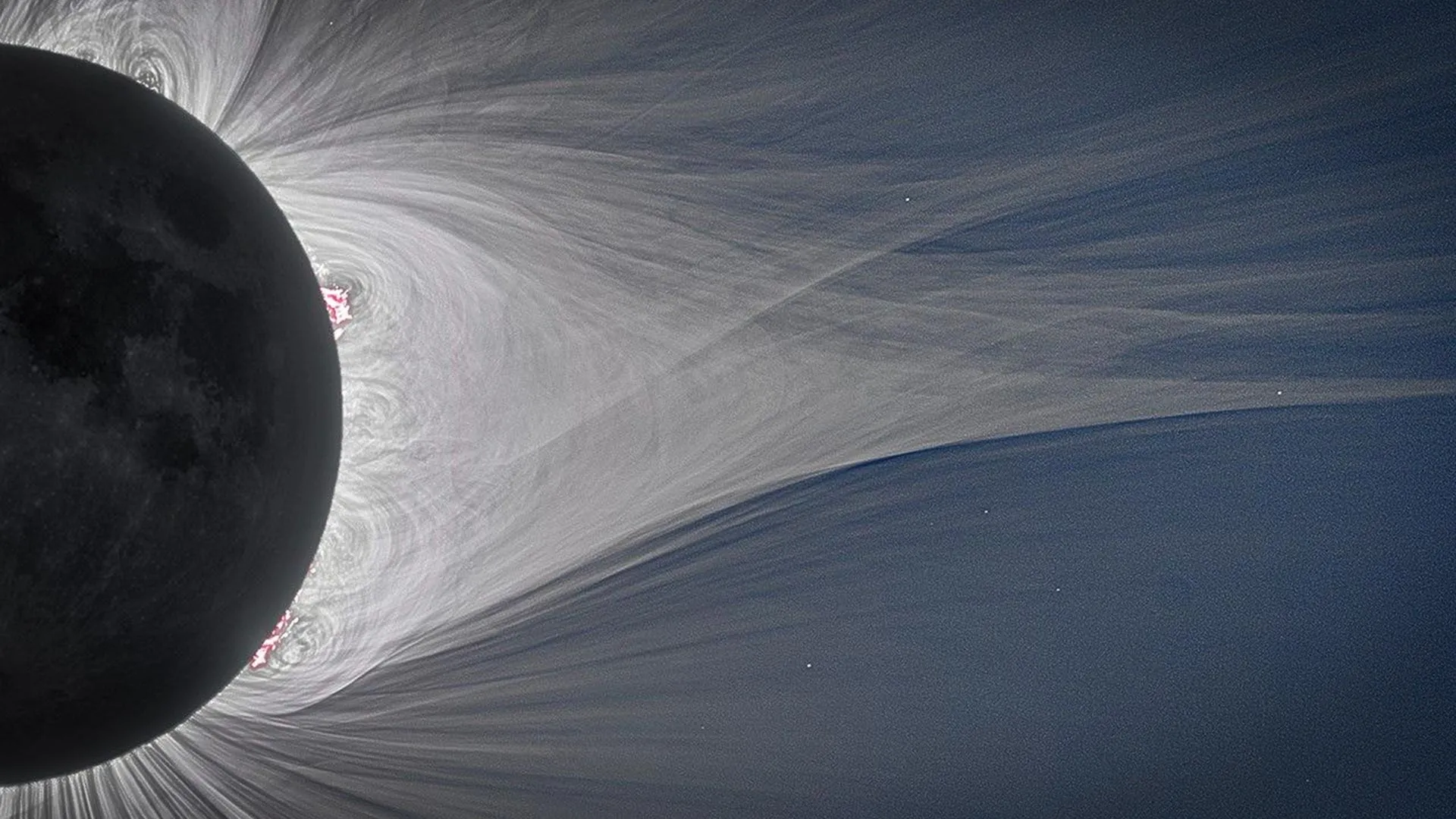
When NASA scientists first received a radio burst from the sun in August 2025, the signal initially appeared to be a routine occurrence. Solar radio bursts are fairly common and usually disappear within a few hours, sometimes even a few days.
This event was anything but ordinary.
The radio burst never died out and lasted for an astonishing 19 days, setting a new record for this kind of solar activity. The newly observed outburst was much more persistent than scientists expected, as the longest previously known phenomenon lasted just five days.
Strange solar radio signal breaks previous records
This event belonged to a category known as a Type IV radio burst. These bursts are generated by groups of high-energy electrons trapped within the Sun’s powerful magnetic field. Although radio waves themselves pose no danger to Earth, the same magnetic conditions can also cause solar eruptions, sending harmful particles into space.
These solar phenomena are important to scientists who study space weather because these particles can interfere with near-Earth satellites, spacecraft, and other space-based technology.
To better understand this unusual burst, researchers combined observations from multiple spacecraft located within the solar system. The mission included NASA’s STEREO (Solar-Terrestrial Relations Observatory), Parker Solar Probe, and Wind Probe, as well as ESA (European Space Agency) and NASA’s Solar Orbiter mission.
Multiple spacecraft followed the solar burst
Because the Sun rotates, various spacecraft were able to observe the radio bursts and watch them come into view during the 19-day event. Each mission collected several days of data, allowing scientists to piece together a more complete picture of solar activity over long periods of time.
The research team also created a new technique to pinpoint the source of the burst using information from the STEREO mission. Their analysis traced the signal to large magnetic structures in the solar atmosphere known as helmet streamers.
Scientists believe this long-lasting burst may have been sustained by three coronal mass ejections that erupted from the same region of the sun. These giant explosions release clouds of charged particles and magnetic energy into space.
Improving space weather forecasts
The research results were published in a magazine Astrophysics Journal Letter In the future, researchers may be able to better recognize long-lasting solar radio bursts.
By improving scientists’ understanding of these unusual solar phenomena, this research could help enhance space weather forecasting and protect satellites and spacecraft from dangerous solar activity.
