


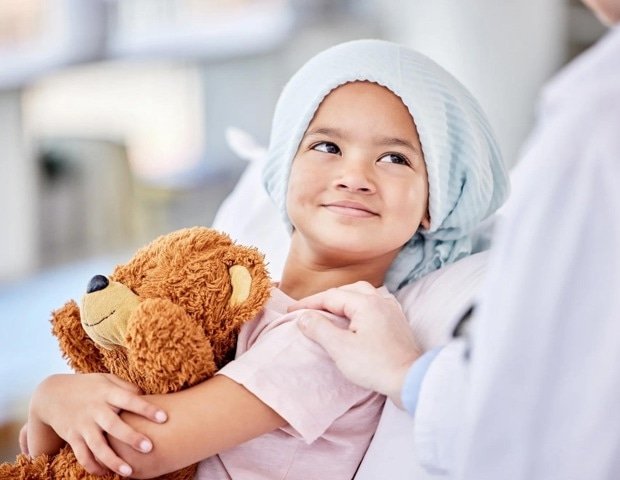
Three out of ten children and adolescents in Brazil complain of musculoskeletal pain (affecting bones, ligaments, and muscles). This common problem affects the lives of these people and should not be underestimated. This condition, known as disabling musculoskeletal pain, can cause children and adolescents to miss school and abandon daily activities and leisure activities, even though it is not related to trauma, repetitive strain, or any other specific cause.
Research published in March in JJournal of Orthopedics and Sports Physiotherapy A study of 694 children and adolescents showed that 86% of people with disabling musculoskeletal pain recovered within 18 months. However, approximately 32% of people whose symptoms improve experience disabling pain again at some point, indicating a recurrent condition that requires continued attention.
Although this is a common pain, it remains an underappreciated and understudied type of pain. As a result, children and adolescents often receive inappropriate treatment or have their complaints ignored by their families and the health care system. It’s not something you can just wait for to disappear. Our study showed that although the pain usually disappears as suddenly as it appeared, it can persist in 14% of cases. ”
Tie Palma Yamato, Associate Researcher at the University of São Paulo (UNICID) in Brazil and the University of Sydney in Australia
Yamato coordinated the research.
Researchers also identified factors such as quality of life and age as important predictors of recovery. “Younger children with a better quality of life are more likely to improve naturally. As they enter adolescence, the statistical chance of improvement decreases. This reinforces the urgency for early intervention,” she says.
Future challenges
Yamato explains that recurrent or disabling pain during childhood and adolescence is a known risk factor for developing chronic diseases in adulthood. “Understanding the course of pain in childhood allows us to identify those who need early intervention to prevent health problems that persist into adulthood,” she says.
She points out that chronic pain, such as low back pain, is one of the major global health problems and generates huge financial costs for public health systems. “Addressing the root of the problem may be a way to reduce future economic and social impacts,” she says.
This FAPESP-supported study is the first to examine the prognosis of musculoskeletal pain in children and adolescents. This study aims to identify potential factors related to recovery and likelihood of relapse, and to provide the first data on this condition from low- and middle-income countries.
To achieve this objective, researchers recruited 12,036 children and adolescents from 28 public and private schools in the Brazilian states of Ceará (Fortaleza) and São Paulo (Itu, Salto, San Sebastian, and São Paulo). Of these, 2,688 participants with an average age of 12 years agreed to participate in the study (For more information, please visit agencia.fapesp.br/51591.).
Participants completed a questionnaire about pain that may affect their daily life. Of these, 694 were monitored for 18 months.
The most commonly cited body part was the back, cited by 51.3% of respondents, followed by legs (42.5%) and neck (20.5%). “However, it can occur in any joint, bone, or muscle,” Yamato says.
undervalued condition
Researchers explain that musculoskeletal pain in children and adolescents is understudied and often misunderstood. As a result, it is often associated with unproven myths. “In many cases, those pains are understood and referred to as ‘growing pains.’ The problem is that growing pains are currently more a matter of common sense than a proven diagnosis. “There is no scientific evidence that the growth process or the general growth spurts of childhood and adolescence cause pain,” the researchers said.
“Perhaps the lack of a specific cause for this type of pain means that a wide range of conditions end up being classified as growing pains. The problem with this interpretation is that it often leads to the idea that the child just needs to grow up. However, the scientific literature shows that there are different consequences if this condition is not treated with sufficient care,” she added.
Yamato explains that the causes and factors associated with the development of musculoskeletal pain in children and adolescents are currently unknown. “As such, this condition is often not identified by imaging tests and is primarily determined based on the patient’s description,” she says.
She points out that the term “growing pains” causes parents and medical professionals to underestimate the actual debilitating pain, leaving children with unclear diagnoses and appropriate treatment procedures.
“Clinical practice guidelines are therefore to reassure families that the prognosis is good, while closely monitoring individuals who experience frequent or recurrent episodes of pain, with the aim of breaking the trajectory to chronic pain in adulthood,” she says.
Importance of spiritual environment
“Emotional environment may also emerge as a predictor of recovery, as we have found that pain can be associated with other issues such as sleep quality, psychosomatic symptoms, and harmony in family relationships. We therefore recommend that health professionals go beyond purely physical pain analysis and pay special attention to the quality of life of these children and adolescents, in order to understand their living situation,” she says.
sauce:
São Paulo Research Foundation (FAPESP)
Reference magazines:
Santos, V.S. others. (2026). Predictors of prognosis and recovery of musculoskeletal pain disorders in children. Journal of Orthopedics and Sports Physical Therapy. DOI: 10.2519/jospt.2026.13817. https://www.jospt.org/doi/10.2519/jospt.2026.13817
