


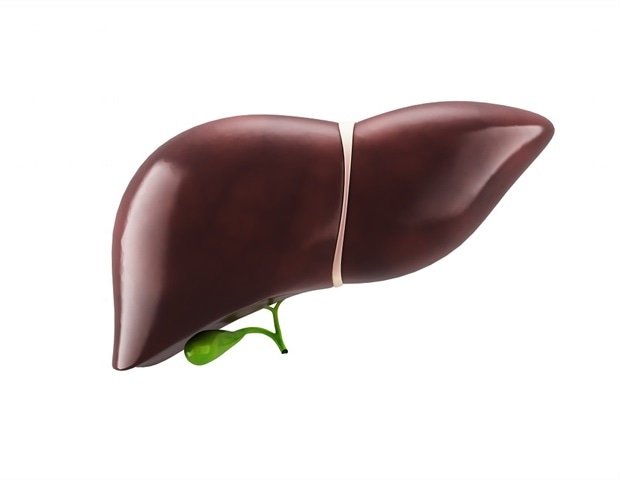
Microplastics (tiny plastic pieces broken down from larger plastic waste) are a growing concern for human health, especially the liver. A University of Oklahoma study was published today. scientific progressa common type of microplastic has been shown to be particularly harmful to the liver under high-fat dietary conditions.
The study, conducted in mice, found that blood markers of liver damage were more than twice as high in animals exposed to microplastics while consuming a high-fat diet compared to animals exposed to the same particles while consuming a standard diet. The study focused on the most common type of plastic, polyethylene, used in materials such as plastic bags and milk jugs.
“Exposure to microplastics is unavoidable. We breathe them in, ingest them, and get them on our skin,” said Dr. Tae Gyu Oh, assistant professor of oncology at OU School of Medicine, who led the study. “Many studies have shown the presence of microplastics in our bodies, but we wanted to investigate the effects of microplastics in a high-fat, high-cholesterol dietary environment, which is known to harm the liver. We expected to see a synergistic effect between diet and microplastics, and that’s exactly what happened.”
In this study, researchers administered the same amount of microplastics to mice over an eight-week period. Some of the mice were fed a standard diet, while others were fed a diet designed to model metabolic dysfunction-associated steatohepatitis (MASH), a severe fatty liver disease.
To better understand what’s going on inside the liver, Oh and his team examined liver tissue using a variety of techniques that “enlarge” cells more and more. Although each technology showed liver damage, the highest resolution was provided by spatial transcriptomics. It is believed to be the first time the research team has used the technology in this context.
While traditional techniques (such as bulk transcriptomics) gave a single average readout of millions of cells, spatial transcriptomics pinpointed where the damage occurred.
“This high-resolution view helped us identify specific ‘hotspots’ of liver damage at the single-cell level that were undetectable using traditional approaches,” Oh said.
The study identified a gene regulator known as PPAR-α that plays a key role in the liver’s response to microplastic exposure. PPAR-alpha is a protein in cells that controls how the body breaks down and uses fat for energy and affects a gene called Anxa2, which plays a role in tissue repair.
These findings suggest that microplastics may affect some of the liver’s natural defense and repair mechanisms. Understanding this relationship may lead to new ways to protect liver health. ”
Tae Gyu Oh, Ph.D. Assistant Professor of Oncology, Osaka University School of Medicine
Although the study was conducted in mice, and additional research is needed to determine whether the same effects occur in humans, the study establishes a framework for understanding how microplastics contribute to liver disease.
“Microplastics are now part of our daily environment, but we are still learning how they affect the human body,” Oh said. “By looking at the liver in such detail, we were able to identify specific areas where exposure to microplastics caused inflammation and altered important biological pathways. These findings provide new clues about how environmental exposures contribute to liver disease and point to areas for future investigation.”
sauce:
Reference magazines:
Jung, W. others. (2026). identified by spatial transcriptome mapping Papara Ansha 2 Crosstalk in microplastic-induced hepatotoxicity. Science progresses. DOI: 10.1126/sciadv.aec8681. https://www.science.org/doi/10.1126/sciadv.aec8681
