


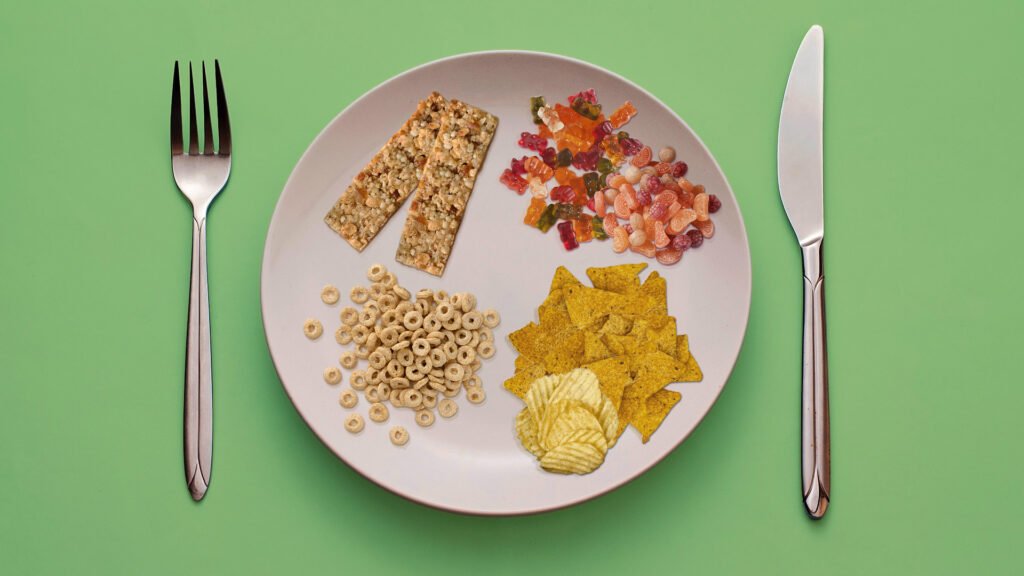
Vani Hari has 2.3 million followers on Instagram and just as many ideas for healthy food swaps. Hari, an entrepreneur and influential food activist with the “Make America Healthy Again” movement, regularly speaks out about snack alternatives containing corn syrup, seed oils and other ingredients on the blacklist of health-conscious Americans.
For Valentine’s Day, YumEarth’s chocolate yams will replace artificially dyed M&Ms. (“Let me tell you these treats are better, but they’re still candy,” Hari writes.) For a Super Bowl party, avocado oil potato chips from Jackson’s instead of Lay’s. Looking for a less processed alternative to Chick-fil-A’s frosted lemonade? Why not make your own using Hari’s own brand, Truvani’s lemon-flavored protein powder? At least one attempt to replace healthy food caught Hari’s attention. That’s PepsiCo’s recently debuted line of undyed Cheetos and Doritos. “This is ridiculous,” she wrote on Instagram. “Instead of fixing old products, we create entirely new products.”
In a recent Deloitte survey, a majority of Americans (84%) said eating healthy is at least moderately important to them, but most admit their habits fall short of their aspirations. The $156 billion packaged snacks industry has identified an opportunity to meet the needs of people looking for a smarter way to measure their munchies.
But whether these supposedly healthy snacks can actually impact Americans’ health is a complex question. The issues include research on ultra-processed foods, the trade-offs people are willing to make when deciding what to eat, and an analysis of the cultural, political, and medical trends that are driving food companies to change. The danger, nutrition experts say, is that the glut of prebiotic fiber-laced sodas and organic low-carb sour gummies tricks us into thinking we’re eating better, even though we’re doing little to combat heart disease and type 2 diabetes.
Why food companies are betting big on improving health
The demand for healthier products has many causes, including widespread adoption of GLP-1 weight loss drugs, policy advances by the MAHA movement and progressive states like California, and increased publicity about the potential harms of ultra-processed foods. “People want better-for-you products, but they don’t want to compromise on taste,” Kraft Heinz CEO Steve Cahillane said this spring as he introduced new products such as the low-carb, hydrating Capri Sun and high-protein macaroni and cheese.
The food industry has experimented with other new and improved snacks in the past, but the changes have not improved Americans’ health and have likely harmed it. During the low-fat craze of the 1990s, companies turned to sugar to make up for the fat deficit. The proliferation of gluten-free products in the 2010s without strict manufacturing and labeling standards had a negative impact on people with celiac disease.
These days, being better for you can mean adding more ingredients. Keranova is adding protein to its Pop-Tarts, and PepsiCo is making its Sun Chips FiberMax. Sometimes that means cutting out artificial dyes and other additives, as with MAHA-friendly brands like Lesser Evil, which touts “clean ingredients” in its onion rings and cheese balls. Online organic grocer Thrive Market’s app also has a healthy exchange feature that allows users to scan barcodes on flagship products to find more virtuous brands.
None of this is ideal, but nutrition experts and MAHA leaders generally agree. It’s better to follow the “eat real food” maxim of the new dietary guidelines. Apples instead of Oreos, cashews instead of Takis.
“At the end of the day, eating patterns based on ultra-processed foods and fresh foods are still very different,” says Leandro Rezende, a researcher at the Federal University of São Paulo, who co-authored a recent BMJ article accusing the food industry of neglecting health by labeling the products it sells as “functional” or “good for you.”
But in a country where more than half of adults’ calories come from ultra-processed foods, giving up packaged snacks altogether is a big dream. Some experts see hope in the idea that the food industry could be propelled by efforts like California’s recent labeling bill to make packaged snacks with fewer additives and industrial processing. However, registered dietitian Kevin Klatt cautions that the benefits of changing formulations vary depending on the food and ingredients involved.

Efforts to transform Big Food into the new Big Tobacco
Klatt, who is also an assistant professor of nutritional science at the University of Toronto, said reducing the amount of sugar in nutritious foods, such as flavored yogurt and chocolate milk, could be a positive change. And he’s a fan of the food industry expanding its snack options to include fiber-rich legumes like roasted chickpeas and dried edamame.
He said the problem lies in efforts to innovate products such as cookies and chips. Many of the things we call ultra-processed foods are the same evidence we should avoid, such as processed meats, sugary drinks, and refined grains. In that case, beef sticks without preservatives or candy without artificial colors make little difference.
“I think the industry has to sell products, and they’re trying to do protein fortification, fiber fortification, more natural, organic stuff, yada yada yada,” Klatt said. “And all the nutritional properties that are actually meaningful, like sodium, sugar, and saturated fat levels, should be set aside.”
How to stack up healthy snack exchanges
“It’s got a bad association,” my colleague said one recent afternoon in STAT’s Brooklyn office.
The table in front of us was filled with healthy snacks. A bowl of sunny M&Ms went up against Monet’s cool-toned naturally dyed competitors. The Frosted Strawberry Pop-Tarts made me look at whole wheat Pop-Tarts with suspicion. And straight out of Hari’s swap tips were two dips: Tostitos’ queso salsa and Primal Kitchen’s vegan version.
That final dip was thick and golden and gave my coworkers bad vibes. vomitshe said, but she didn’t want to prejudice the other participants.
As Kraft Heinz’s Cahillane pointed out, better-for-you options gain traction among consumers if they taste good. The purpose of the tasting was to compare the nutritional content and appeal of both.
Overall, better candidates were a dollar or two more expensive. As promised, there were fewer ingredients and none of the usual MAHA villains like corn syrup, soybean oil, and artificial colors. And they generally had lower levels of sodium, added sugars, and saturated fat than the most directly comparable snacks.
However, results regarding taste were mixed. Most of us hated Smash Foods’ toast, studded with whole grains and chia seeds. This had a meager ratio of date filling to crust, making for a bland journey to the final swallow. (They had one defense attorney, a colleague said, “living in Brooklyn and getting screwed.”)
With just three ingredients, the Avocado Oil Potato Chips tasted like they were made from real potatoes, unlike their squirmy rivals. However, the seasoning was insufficient, probably due to the low salt concentration. Everyone liked the Tostitos dip better than Primal Kitchen’s half-sodium version. And while Unreal’s chocolate candies use higher quality chocolate than M&Ms, the candy shells seemed thinner, a feature that divided testers.
These mixed results help answer Hari’s question about why PepsiCo didn’t eliminate artificial colors and MSG from regular Doritos and Cheetos. Many people have an attachment to snacks that look and taste just like they did when they were children, when their taste buds were set. It’s financially safer for big brands to stick with corn syrup-filled sodas while developing alternatives for the wellness-minded. (It’s worth noting that Primal Kitchen is owned by Pepsi.)
When it comes to Americans’ health, opting for low-sodium potato chips is probably “slightly better,” Klatt said. But, he added, “I think most of these adjustments are either stupid in some way or unlikely to be useful at a population level.”


STAT Plus: 5 food power players have strong ties to the MAHA movement
Another concern is that snacks that advertise no added seed oil or protein could mislead Americans into thinking the product is healthier than it actually is. (New labels are being introduced all the time. The Non-GMO Project, which provides third-party certification of foods that have not been genetically modified, recently introduced a new certification that does the same for foods that do not meet the definition of ultra-processed.)
“We know that when you make a single claim for a product, people overgeneralize that it’s healthier overall,” said Lindsey Smith-Taley, a nutritional epidemiologist at the University of North Carolina Gillings School of Public Health. Research suggests, for example, that people are likely to eat more of foods like granola that are labeled as low-fat because the label gives the snack a “glitter of health.” Foods like General Mills’ Protein-Fortified Cinnamon Cheerios may claim 8 grams of protein on the front of the package, but shoppers should check the nutrition label on the back to see that they also contain 12 grams of sugar. (Original Cheerios contain 5 grams of protein and only 1 gram of sugar.)
Taley added, “There’s no reason Americans should get their protein from Pop-Tarts.”
Beyond better chips
Food brand consultant Maha Tahiri says there’s a bigger opportunity for food companies than creating modified versions of familiar snacks. This is perhaps inspired by the pharmaceutical industry’s approach, which is exploring a variety of uses for GLP-1 drugs, not just for weight loss but for conditions such as addiction and Alzheimer’s disease.
“The food industry needs to really pay attention to what problems it needs to solve” when it comes to the health of Americans, said Tahiri, who has a doctorate in nutrition and previously served as head of health and wellness at General Mills and head of global innovation at Danone. “And there’s a problem that the pharmaceutical industry can’t solve: providing the right nutrients.”
As an example of a brand with a smart strategy, Tahiri points to Chobani’s new line of protein-fortified yogurt drinks. “It’s a cleaner product and tastes better. It has lactase (an enzyme that takes the lactose out of the drink) that actually helps with digestion,” she said. She’s also intrigued by Nestlé’s new longevity beverage line, Vital, which she says has crossover appeal for people taking GLP-1.
According to UNC’s Taillie, the best way for packaged snack companies to address health concerns is to create simpler products with fewer ingredients.
That was the strategy unveiled at Expo West, the annual gathering for natural and organic brands in Los Angeles this March. At the nexus of protein and whole food trends, eggs were everywhere: pre-boiled, vacuum-sealed, and poached. Dates were also abundant as a natural sweetener.

STAT goes on a food tour of MAHA
Some snacks also align with MAHA’s priorities, with tallow appearing in unexpected places, such as protein bars. “It’s really up to consumers to do their own research and take back their health into their own hands,” said Caitlin Bricker, editor-in-chief of industry group Startup CPG. “There’s a lot of marketing out there.”
Bricker says a new wave of packaged snack brands wants to separate from Big Food. They “don’t want to be the second Dorito and capture that consumer,” she says.
Part of Klatt’s concern is the upscale nature of these snacks, from both big and small brands. If PepsiCo were to stop selling regular Doritos starting tomorrow and switch entirely to whole-grain, protein-fortified versions, it could help cut down on low-quality starches in Americans’ diets, he said. It also probably tastes worse and you’re less likely to overeat. But that’s not what’s happening.
“Old-fashioned Doritos is here to stay, and there’s going to be a boutique section of the market that’s going to get a few extra bucks,” he said, marketing to “people who are concerned.” Klatt said the new healthy snacks won’t significantly disrupt the products you’d find at a typical country grocery store or gas station. “And the people who are consuming it are probably not the ones who had a big need for it to begin with.”
STAT’s chronic health coverage is supported by a grant from. bloomberg philanthropy. our financial supporter It has no role in any of our journalism decisions.
