


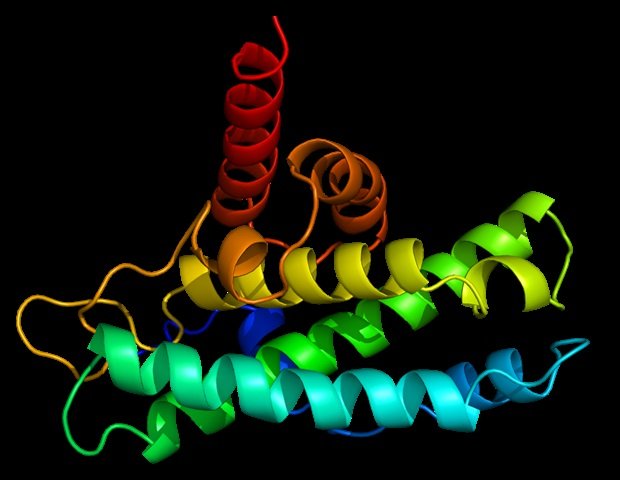
New research published in engineering uncovered a regulatory mechanism linking lysosomal function and mitochondrial stability in pathological cardiac hypertrophy and identified transient receptor potential mucolipin 1 (TRPML1) as an important protective factor against progression to heart failure. Researchers found that TRPML1 maintains mitochondrial homeostasis and reduces cardiac hypertrophy by directly inhibiting the oligomerization of voltage-dependent anion channel 1 (VDAC1) on the mitochondrial outer membrane.
Transcriptomic analysis of heart failure samples from both mice and humans showed consistent downregulation of TRPML1 expression, suggesting a potential link between decreased TRPML1 levels and pathological cardiac remodeling. In animal models, cardiomyocyte-specific overexpression or pharmacological activation of TRPML1 preserved cardiac function, reduced mitochondrial oxidative stress, and increased energy production. Conversely, cardiomyocyte-specific deletion or pharmacological inhibition of TRPML1 exacerbates cardiac hypertrophy and mitochondrial dysfunction, supporting a protective role for this lysosomal ion channel.
Mechanistically, proteomic screens and molecular assays revealed that the C-terminal domain of TRPML1 directly binds to the N-terminal domain of VDAC1. This physical interaction suppresses VDAC1 oligomerization, thereby maintaining mitochondrial calcium homeostasis and an appropriate balance between mitochondrial fusion and fission in hypertrophic cardiomyocytes. Treatment with NSC 15364, a small molecule that inhibits VDAC1 oligomerization, partially reversed cardiac hypertrophy in TRPML1-deficient mice, confirming the functional importance of this interaction.
Further studies identified signal transducer and activator of transcription 5B (Stat5b) as a transcriptional regulator of TRPML1 during cardiac hypertrophy. Under physiological conditions, Stat5b TRPML1 This regulatory axis is impaired under hypertrophic stress. This discovery establishes a new inter-organelle communication axis between lysosomes and mitochondria, with lysosomal TRPML1 acting as a guardian of mitochondrial integrity. By targeting VDAC1 oligomerization, TRPML1 may serve as a promising therapeutic candidate to delay the transition from pathological cardiac hypertrophy to heart failure, potentially providing new directions for the development of cardiovascular interventions.
sauce:
Reference magazines:
Zhao X. Others. (2025). TRPML1 controls mitochondrial homeostasis and attenuates cardiac hypertrophy by inhibiting VDAC1 oligomerization. engineering. DOI: 10.1016/j.eng.2025.10.033. https://www.sciencedirect.com/science/article/pii/S2095809925006800?via%3Dihub
