


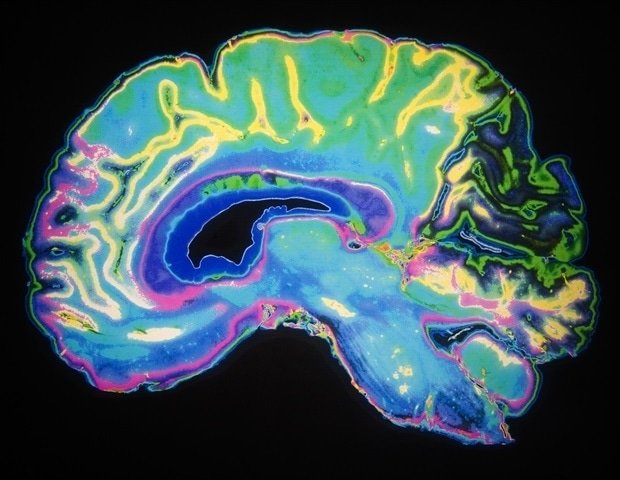
The Individual Brain Charting (IBC) project has released its fifth and largest update of high-resolution fMRI data, adding a new set of cognitive tasks to one of the most detailed brain mapping datasets currently available. This dataset is openly accessible through EBRAINS and is described in a new publication in the journal Nature. scientific data.
The new release expands the dataset to include 18 tasks collected from 11 participants under tightly controlled and standardized conditions, many of which capture nearly 40 hours of scan data each.
The IBC project was started in 2014 and was funded by the Human Brain Project. It aims to map how individual brains respond across a wide range of cognitive functions. By repeatedly scanning the same participants in a variety of tasks, from mathematics and spatial navigation to emotional recognition, reward processing, and working memory, the team is building an extremely rich resource for studying individual differences in brain organization.
Most studies compare different groups of people performing different tasks, so important individual details are lost. Here, the same participants perform many tasks under the same conditions, allowing us to see how different cognitive processes are integrated within one brain. ”
Ana Fernanda Ponce, researcher at the University of Paris-Saclay and lead author of the study
With this release, the dataset now includes 67 tasks, 530 contrasts (comparisons between task conditions), and 188 cognitive concepts, creating an increasingly comprehensive foundation for fine-grained brain mapping and computational modeling.
IBC datasets are a valuable resource for modeling and understanding brain function. For example, it can be useful when validating new models of cognitive mapping or AI-driven models of neural activity. Because the same individual is scanned across a very wide range of tasks, researchers can investigate how different cognitive processes interact within a single brain and see how well brain models handle different tasks and contexts.
All data is openly available through the EBRAINS Knowledge Graph, which hosts the IBC collection in compliance with FAIR and GDPR standards.
One of the biggest challenges in studies that collect large amounts of data is finding volunteers willing to participate in repeated scanning sessions, Ponce says. “The participants were extremely engaged and we are extremely grateful for their dedication.”
sauce:
Reference magazines:
Ponce, A.F.; others. (2026). Individual Brain Charting: Fifth release of high-resolution fMRI data for cognitive mapping. scientific data. DOI: 10.1038/s41597-026-06869-1. https://www.nature.com/articles/s41597-026-06869-1
