


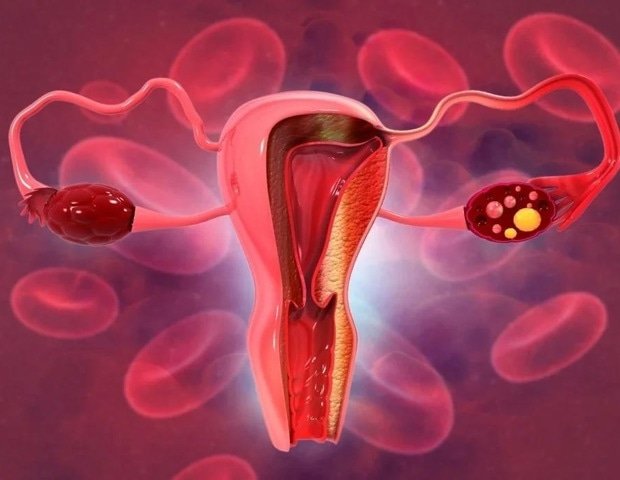
High-income countries that began widespread administration of the human papillomavirus (HPV) vaccine in the mid-2000s recorded significant medical gains, with significant reductions in cervical cancer cases. new research in lancet Researchers at Queen Mary University of London (Queen Mary) suggest that the vaccine may also be responsible for the near-complete protection against death from cervical cancer in women under 30 in the UK who were vaccinated between the ages of 12 and 18, in one of the few analyzes of the impact of the HPV vaccine on mortality.
The results of the study by Queen Mary researchers Peter Sasieni and Milena Falcaro provide compelling evidence that HPV vaccination is a highly effective cancer prevention strategy, but more data is needed to confirm a direct causal relationship with reduced cervical cancer mortality, said Alison Portnoy, Ph.D., assistant professor of global health at Boston University School of Public Health (BUSPH), in a similarly published invited commentary. Lancet.
“This study makes an important contribution to the literature on the population-level effects of HPV vaccination by linking mortality data and HPV vaccination coverage data, although these are certainly population-level rather than individual-level data.”” wrote Dr. Portnoy, whose research focuses on the public health, economic, and equity impacts of vaccination and vaccine policy.
Specifically, the study found that among 20- to 24-year-olds who received the vaccine between ages 12 and 18, deaths from cervical cancer were reduced by 80% from 2015 to 2019, with no deaths recorded from 2020 to 2024. Dr. Portnoy notes that the study found a causal link between the HPV vaccine and the prevention of precancerous cells (high-grade cervical intraepithelial neoplasia) that can lead to cervical cancer and death, but he also cautioned against other factors that may have contributed to the sharp drop in mortality rates identified in the study. Improved and expanded cervical cancer screening and increased HPV vaccination may have contributed to the observed mortality decline. Herd immunity may also have played a role, she wrote, because people who have received the HPV vaccine are less likely to transmit HPV to other unvaccinated people.
According to the World Health Organization (WHO), HPV is the most common sexually transmitted infection and includes more than 200 known types. Although most people infected with HPV have no symptoms and the infection usually clears up on its own, certain high-risk strains can cause persistent infections and several types of cancer, and these strains are responsible for nearly all cervical cancer diagnoses. Almost all cervical cancer diagnoses are thought to be caused by a virus. National HPV vaccination programs focused on adolescent girls in the mid-2000s, as the primary goal was to prevent cervical cancer, but now there is also a push to vaccinate young men who may be more susceptible to HPV-induced cancers that affect men, such as the oropharynx, anus, and penis. School-based programs in the UK have reduced HPV infections among young people by 90 per cent, moving the UK closer to its goal of eliminating cervical cancer as a public health problem by 2040.
Further emerging HPV vaccination and cervical cancer data may provide further insight into individual-level HPV and cervical cancer diagnosis and outcomes, Dr. Portnoy wrote. ”Furthermore, as the vaccinated cohort is still relatively young, continued long-term follow-up will be important to assess whether these reductions persist into older age, given that cervical cancer mortality risk is higher and different HPV genotypes may contribute to a differential burden by age.. ”
For now, the study’s population-level findings underscore the importance of countries continuing to invest in national vaccination programs and cancer screening, and the need to vaccinate early adolescents, Dr. Portnoy wrote. Without concerted investment in these prevention measures, inequities in access to HPV vaccines will continue to widen, especially in low-income countries where HPV infection rates are highest, she added.
”The UK findings therefore provide an important benchmark for what can be achieved if high vaccination rates are maintained over time, but similar benefits globally will require deliberate implementation and distribution strategies to reduce inequalities in the burden of cervical cancer.” Dr. Portnoy wrote. As vaccinated populations age and countries collect long-term follow-up data, the next step will be to ensure that these outcomes are achieved equitably through sustained vaccination, screening and treatment infrastructure that can support WHO’s strategy to eliminate cervical cancer.. ”
sauce:
Boston University School of Public Health
Reference magazines:
A. Portnoy, E. A. Berger (2026). HPV vaccination and early reduction in cervical cancer deaths. Lancet. https://doi.org/DOI: 6736(26)01024-X/abstract
