


highlights
Matt Wilsey has spent 10 years and $70 million developing a treatment for his daughter Grace, who faces a deadly, ultra-rare disease.
His company is currently treating 10 patients, including Grace, in clinical trials, but lacks funding and doesn’t yet have what the FDA needs for approval.
He is putting pressure on officials anyway, setting up a crucial test case for regulators and those developing treatments for patients facing deadly rare diseases.
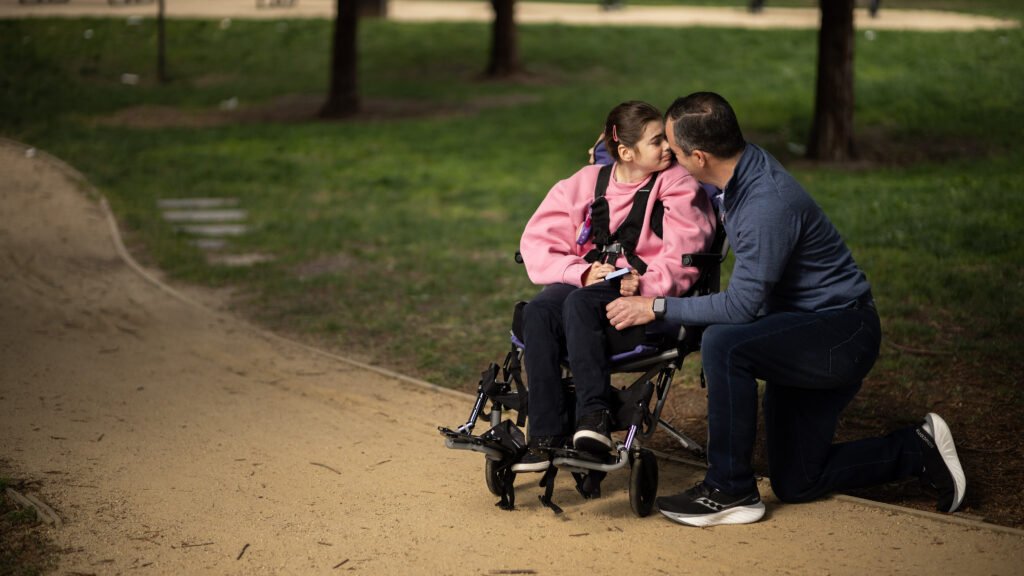
SAN FRANCISCO — Matt Wilsey adjusted the plastic tube coming out of his 15-year-old daughter’s stomach and again tried not to think about it for the next 15 minutes. His job was to be with Grace and let his wife Kristen rest. He couldn’t think about the future. He couldn’t help but wonder again if he had made the right choice and if his daughter would survive.
Three weeks ago, Grace underwent gene therapy aimed at saving her life and preventing further harm from her NGLY1 deficiency. NGLY1 deficiency is an ultra-rare genetic disorder that comes with a series of severe developmental challenges, and she will never be able to speak or walk comfortably.
Wilsey devised the therapy himself.
He wasn’t sitting in the lab. He didn’t inject rats or cut open their brains. But he had hired scientists to do so. He recruited advisors, including a Nobel Prize winner, gathered families of other children diagnosed with the disease, and assembled an A-team of investors and donors. Through it all, he was sustained by his devout Catholic faith.
He has come to accept that Grace will never live an independent life. But he hoped the drug would allow her to live longer and maybe even be able to say a few words. And he believed the strategy he wrote could serve as a guide to treating hundreds of other rare diseases.
“We carry the hopes of many,” he once wrote to his staff. “I’m not just talking about the NGLY1 family. We receive emails, calls and text messages from professionals and other supporters who are amazed at what we’ve achieved and hope we can be an icebreaker for them. Our case has the potential to really boost and save a scene in devastation.”
Later, the drugs that were supposed to save Grace’s life ended up returning her to the hospital weaker than ever. He sat next to his daughter, whose face was bulging with soft eyes and long braided hair, and prayed that her condition would improve.
For the father and his sick child, it was a matter of life and death. But the entire pharmaceutical industry was also paying attention.
STAT+ exclusive story
Already have an account? Log in


This article is exclusive to STAT+ subscribers
Unlock this article and get in-depth analysis, newsletters, premium events, and news alerts.
Already have an account? Log in
Individual plan Group plan See all plans
To read the rest of this story, subscribe to STAT+.
Subscribe
Source link
