


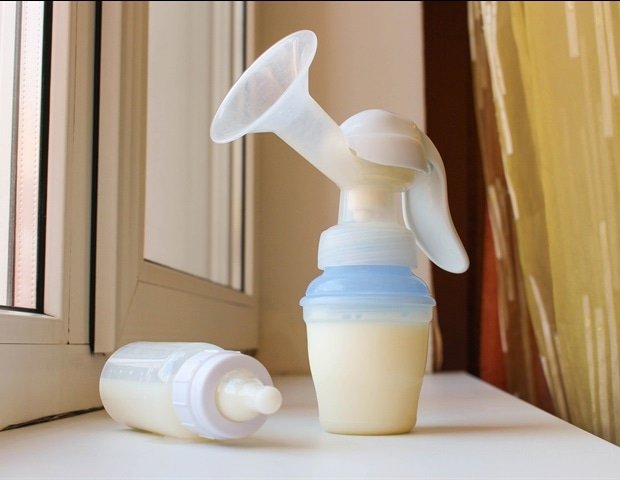
Endocrine-disrupting chemicals (EDCs), which interfere with hormones, have been detected in the breast milk and urine of children up to six months old, according to research presented Saturday at the Endocrine Society’s annual meeting ENDO 2026 in Chicago, Illinois.
Breast milk is the optimal source of nutrition for every child and must be protected as it is a vehicle for environmental pollutants. Infancy represents a critical period of exposure as the effects are magnified and damage becomes apparent over many years. ”
Maria Elizabeth Street, MD, Associate Professor and Head of Pediatric Endocrinology, University of Parma and Parma University Hospital, Parma, Italy
Street and colleagues used data from 336 mother-infant pairs enrolled in the LIFE-MILCH project. Samples were collected at 1, 3, and 6 months of age.
Researchers measured exposure to more than 50 chemicals, including bisphenol (BPA), polycyclic aromatic hydrocarbons, phthalates and metabolites, parabens, polar pesticides, and pyrethroids.
BPA was commonly detected in breast milk at 1 month (51.2%) and 6 months (49.8%). Almost one-third of newborns had BPA in their postnatal urine samples. This increased to 67.6% at 6 months of age.
Bisphenol S (BPS) was detected in breast milk at 1 month (10.7%) and 6 months (18.3%) and in urine samples of infants at birth (22.4%) and 6 months (41.2%).
Most polycyclic aromatic hydrocarbons were rarely detected in breast milk, but some substances were consistently detected in urine (up to 27.7%).
Methylparaben (MePB) and ethylparaben (EtPB) were most commonly detected in breast milk at 1 month (51.2%, 42.3%) and 6 months (56.2%, 52.6%) postpartum and increased in urine samples over time.
Glufosinate was detected in breast milk at 1 month (27.4%) and 3 months (31.9%) and in urine samples at birth (44.7%) and 6 months (38.2%).
Phthalates, including dibutyl phthalate (DBP), were detected in 90.2% of breast milk samples at 1 month postpartum and 86.5% of breast milk samples at 6 months postpartum. Levels in urine samples increased from 30.3% at birth to 79.4% at 6 months of age.
Most of the EDCs found in breast milk and urine samples are related to nutritional habits and products used for personal and home care, Street said.
Studies have linked exposure to these chemicals to neurodevelopmental problems, hormonal activation at birth, androgenization, or the development of male reproductive characteristics. Exposure to EDCs can also affect growth, weight and obesity, Street said.
The findings have led to a prevention campaign, the results of which are currently being evaluated, and several stakeholders have signed an agreement in Italy to monitor and reduce the presence of these chemicals in their products, Street said. Researchers are calling on public health officials to develop prevention strategies to reduce exposure to EDCs and protect breast milk in a changing world.
