


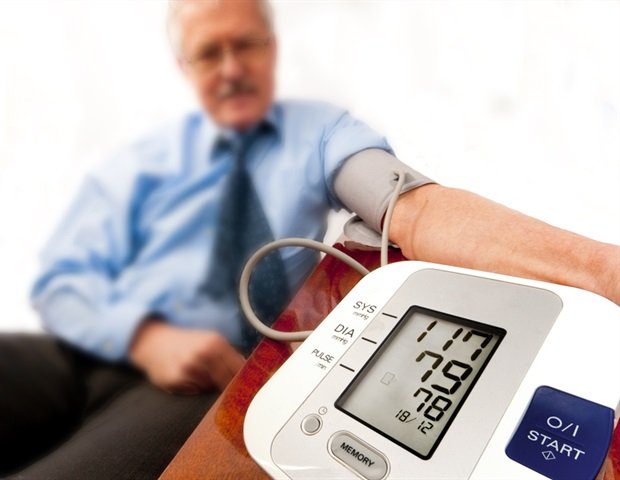
Scientists at Northwestern Medicine have identified safety concerns related to GLP-1 drugs. The research team used health record data to track more than 42,000 adults who were already taking at least two blood pressure medications. After starting GLP-1, these patients experienced higher rates of dizziness, syncope, and other events related to low blood pressure, also known as hypotension.
The scientists found that these hypotensive episodes were most common in patients over 65 and in people with diabetes.
The results of the peer-reviewed study will be presented on Saturday (June 13) at ENDO 2026, the Endocrine Society’s annual meeting.
The study authors emphasize that the widely used drug remains highly beneficial for many patients. ”I’m a big supporter of GLP-1. GLP-1 is highly effective.” said Dr. Mika Eimer, lead author of the study. He is a clinical assistant professor in the Department of Cardiology at Northwestern University Feinberg School of Medicine and a cardiologist at Northwestern Medicine.
”All I’m saying is, let’s be on the lookout for hypotensive events in certain patients, because I think they can cause harm.“Added Eimer, who started this study after noticing that many patients taking GLP-1 complained of dizziness and fainting.”I am particularly concerned about the risks for patients who obtain GLP-1 without direct and ongoing clinical supervision.. ”
Eimer’s team analyzed the health records of more than 42,000 adults who started semaglutide, tirzepatide, or liraglutide and were taking at least two antihypertensive drugs. The researchers tracked antihypertensive events for 6, 12, and 24 months after patients started GLP-1 therapy and compared them with the incidence before starting GLP-1 therapy. Hypotension events include dizziness, syncope, falls, diagnosis of hypotension, systolic blood pressure measurement less than 90 mm Hg, and prescription of medications used to treat hypotension.
Hypertensive patients taking GLP-1 for sleep apnea can be interviewed about how it caused dizziness.
Main findings
- Within 6 months of starting GLP-1 therapy, the incidence of antihypertensive events increased from 8.7% to 10.2%.
- The increased risk remained significant at 12 months, with hypotensive events increasing from 13.6% to 14.3%.
- Adults 65 years and older accounted for 53% of hypotensive events, despite making up 37% of the study population.
- Patients with type 2 diabetes accounted for 75% of patients experiencing hypotensive episodes, but only 63% of the entire cohort.
- In a secondary analysis, scientists found that weight loss alone did not explain the increased risk, suggesting other mechanisms of action may be at work.
Below is a Q&A with the study’s lead author, Dr. Mika Eimer, who says additional research is needed to confirm the results.
Q: Why did you decide to investigate this?
“I use GLP-1 a lot because it has been shown to reduce the risk of death from heart disease by up to 20%, depending on the population. My tests showed that their blood pressure was low. Hypotension is the scariest potential side effect of high blood pressure treatment, and it’s actually far more dangerous. And I started thinking there was a pattern there that I needed to investigate.”
Q: Your study found a 1.5% increase in hypotensive events in patients six months after starting GLP-1. How important is this?
“This is statistically significant, and the effects of low blood pressure can be frightening. Some people die from low blood pressure. They can hit their heads, get hit by cars, break their hips. So if that happens, it’s a very bad outcome.” Part of the takeaway from our summary is that this is preventable. This is what clinicians should be looking for, and that’s something to be aware of. All we’re suggesting to clinicians is, “Hey, think about the patients who are at risk.” They have strategies to monitor and mitigate that risk. ”
Q: What about patients taking GLP-1? What is the take-home message for them?
“Here’s another problem. A lot of patients don’t necessarily receive these medications from their treating physicians. If I’m a patient and I go to an online prescription and they start sending me this medication, they don’t check my blood pressure. If I’m lightheaded or dizzy, So I want my patients to think, ‘Wow, that’s true. I started taking this drug three months ago. I lost 30 pounds and now I feel like this.’
Q: In some ways, your research has shown that GLP-1 is sometimes too effective?
“Yes, that’s why our abstract title asks, ‘Can there be too much of a good thing?'” When we talk to patients about taking these drugs, they say, “I don’t want to take any other drug.” I say, “Did you know?” If you take this GLP-1, you can cut down on one or two blood pressure medications. Perhaps you can stop taking your blood sugar medications. Most likely your sleep apnea will be cured. ”So I’m a big supporter of GLP-1. GLP-1 is highly effective. What I’m saying is, let’s be careful with certain patients because I think it can cause harm. ”
Q: We find that hypotensive events are most common among patients over 65 years of age and those with diabetes. Why are these patients most at risk after starting GLP-1?
“Three things could be going on here. Older patients are just more sensitive to changes in blood pressure. Older patients have stiffer arteries and more clogged arteries, so changes in blood pressure can make them more symptomatic. Another is that diabetic patients may have dysautonomia, which is a known complication of diabetes, so they can’t regulate their blood pressure as well. Finally, the mechanism of action of these GLP-1s is something we don’t fully understand.”
The study is titled “GLP1 receptor agonists and the risk of critical hypotension in patients with metabolic cardiovascular renal disease: Too much of a good thing?”
