


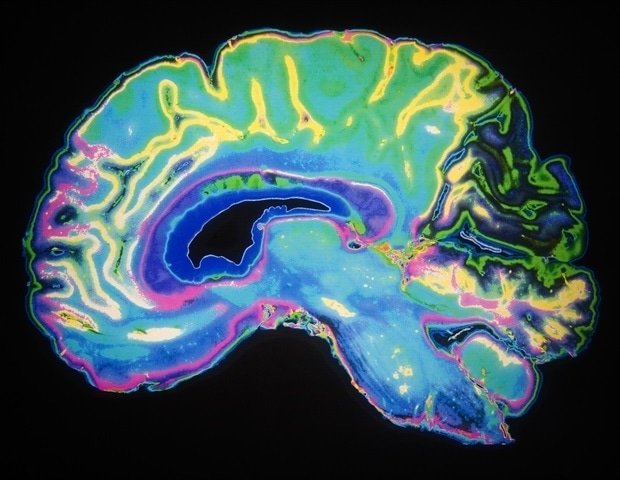
“Turn off the TV, your brain will rot!” has been a household refrain for decades. “Corrupt” may be too strong a word, but researchers are finding that there may be some benefit to the overall sentiment.
In a recently published study, Alzheimer’s Disease and Dementia: Journal of the Alzheimer’s Association Researchers found that people who reported watching TV “very frequently” in midlife later had reduced volume in brain regions associated with memory, smaller frontal and occipital lobes, and areas of brain white matter damage associated with aging, stroke risk, cognitive decline, and dementia.
For years, we’ve focused on how much people sit. Our findings suggest that they should also pay attention to what they do while sitting. ”
David Reichlen, professor of biological sciences and anthropology in the USC Dornsif College of Letters, Arts and Sciences, and senior author of the study
This finding was not solely due to the sedentary nature of television viewing. The study found that other types of sedentary activity did not have the same association, indicating that what you do while sitting may be much more important than previously thought.
observe changes
Researchers analyzed data from nearly 1,700 adults (mean age 53 years) enrolled in the Atherosclerosis Risk in Communities (ARIC) study from 1987 to 1989. ARIC is a long-term study of Americans designed to examine cardiovascular and brain health.
Participants were asked how often they watched television in their leisure time and how much of their workday they spent sitting, on a scale ranging from “never/almost never” to “very often.”
More than 20 years later, the participants underwent MRI scans of their brains. Compared to people who reported watching TV “never” or “rarely,” those who watched TV “very often” showed widespread structural differences across the brain.
The researchers found that regions associated with early signs of Alzheimer’s disease had smaller volumes and more white matter hyperintensity volume, an indicator of cerebral small vessel disease associated with cognitive decline and dementia. These participants also had smaller occipital and frontal lobes, areas associated with visual processing and executive function.
The differences persisted even when the researchers controlled for factors such as physical activity, diabetes, BMI, smoking, and alcohol intake.
Of note, the researchers relied on self-reported data on TV viewing, which may be less accurate than timed tracking. Study participants also did not undergo a baseline MRI. Future studies may begin with baseline MRI to more specifically demonstrate changes over time.
Not all sitting positions are the same
Surprisingly, the sedentary component of TV viewing does not seem to be the main driver of these changes.
People who reported spending more time sitting at work actually had larger frontal and occipital lobes and decreased high-intensity white matter content, indicating better brain health than those who sat and watched TV. This may be due to the intellectually stimulating nature of many sedentary jobs, the study authors said.
Men appear to be particularly vulnerable to these changes. When MRI scans were separated by gender, the researchers found that most of the brain changes caused by TV viewing and sedentary work were seen in men.
These findings demonstrate that more research is needed on this complex topic. However, we may ultimately see a different approach to health guidance regarding sedentary activity. For example, rather than telling patients to move more, doctors may recommend reducing screen time and adding cognitive activities when sedentary.
“While we frequently advise the public not to spend too much time sitting, experts may want to expand that recommendation to include sedentary activities, as they appear to have a clear impact on brain health,” said Natan Feter, corresponding author of the study and a postdoctoral fellow in the Human Evolutionary Biology Program at USC Dornsife.
sauce:
University of Southern California
Reference magazines:
Feter, N. others. (2026). Associations between different sedentary behaviors and cortical, subcortical, and white matter hyperintensities: Evidence from the ARIC study. Alzheimer’s disease and dementia. DOI: 10.1002/alz.71582. https://alz-journals.onlinelibrary.wiley.com/doi/10.1002/alz.71582
