


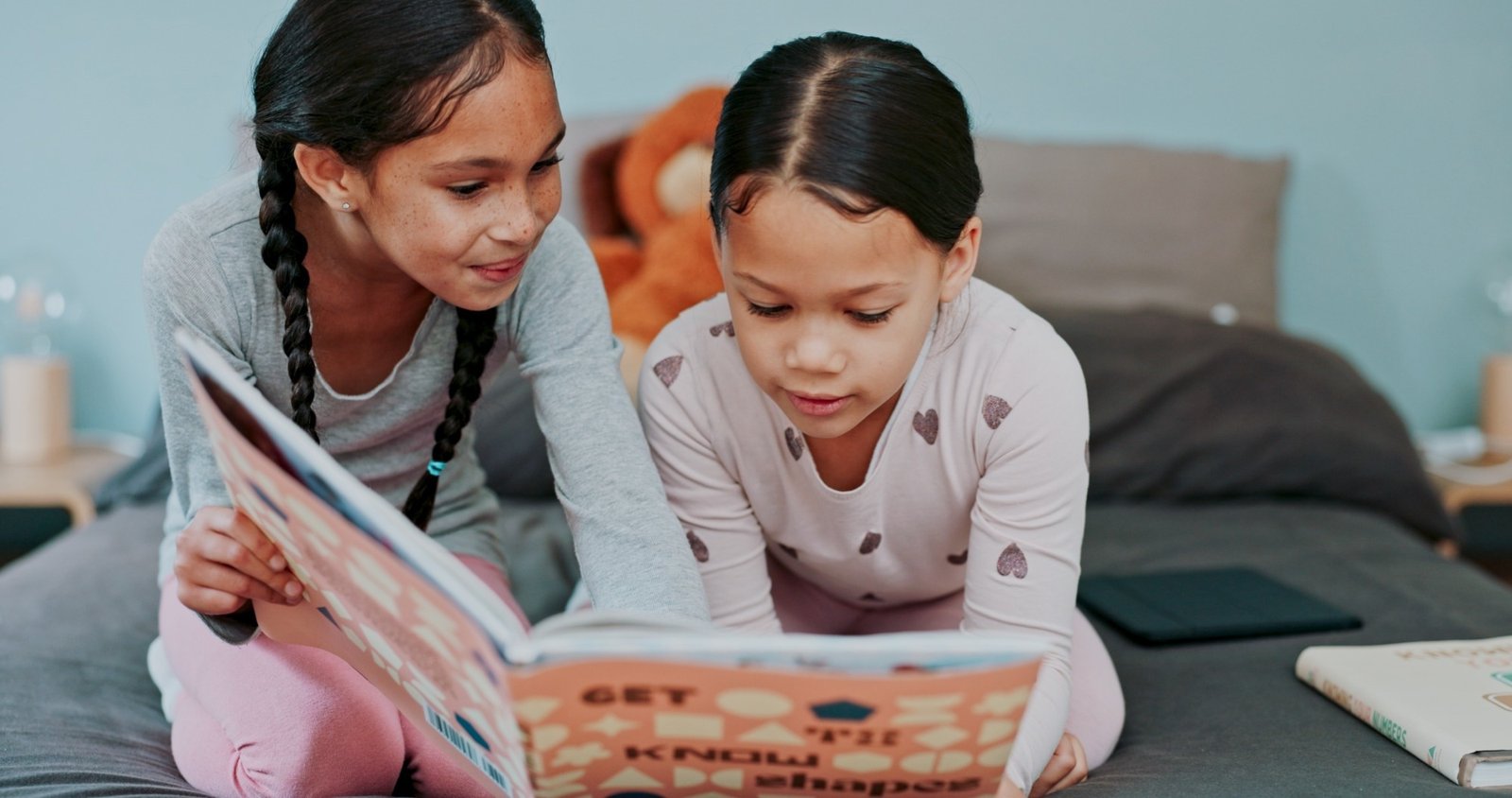
A five-year randomized trial shows that providing children with free, engaging books on a regular basis significantly improves reading comprehension, highlighting a simple, low-cost strategy to improve literacy in poor schools.
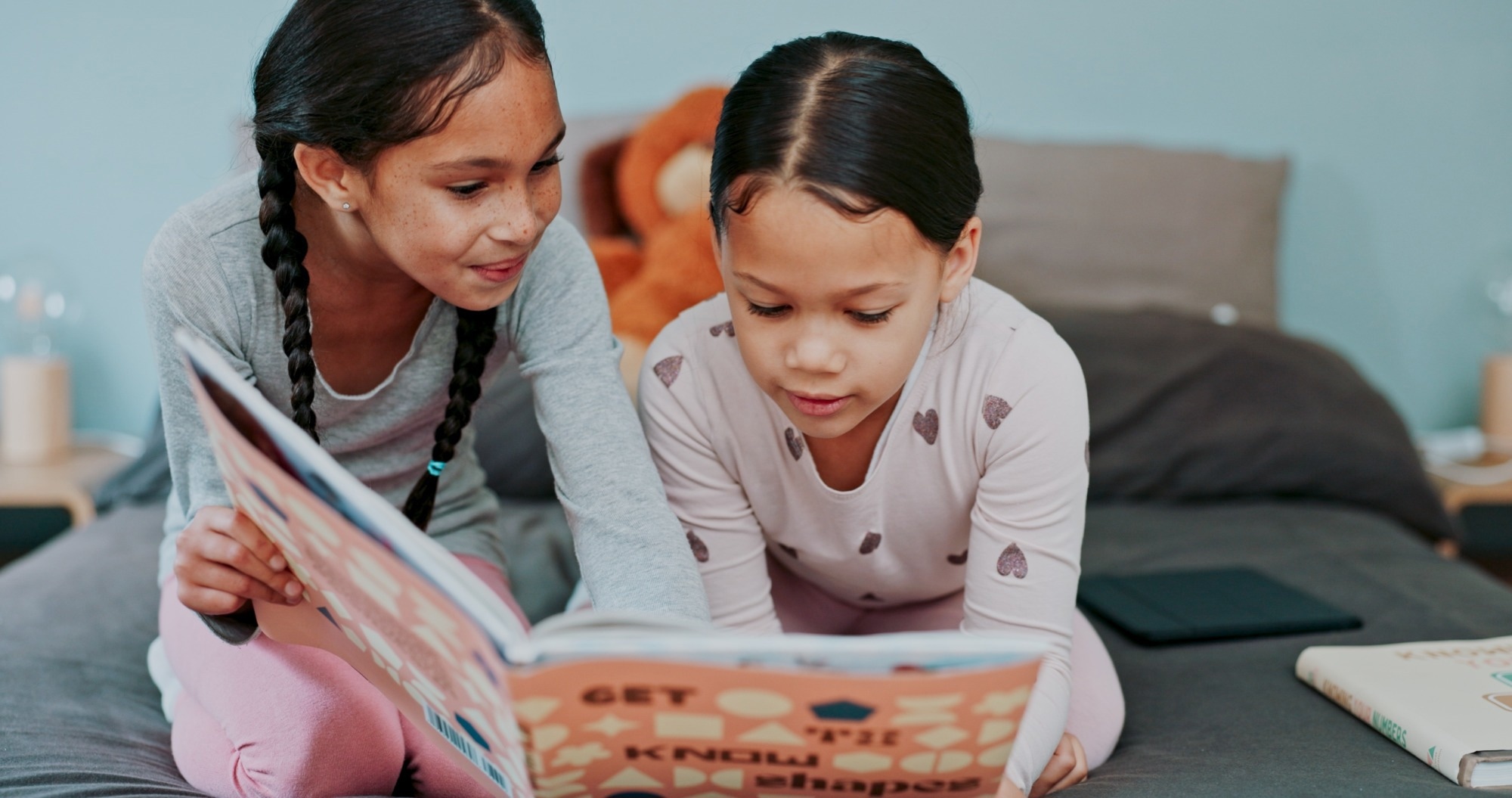 Study: Cumulative access to print books improves literacy skills: Evidence from a 5-year randomized trial in high-poverty schools. Image credit: People Images / Shutterstock.com
New research published in Proceedings of the National Academy of Sciences They report that cumulative access to reading materials significantly improves literacy rates in low-income areas.
Why access to books is important
School performance has historically and consistently been related to the availability of reading materials at home, and these academic benefits have been widely observed across contexts, even after accounting for parental education.
Specifically, children who live in homes with 100 or more books are 90 percent more likely to complete ninth grade, compared to just 30 percent of students who don’t have access to books at home. In 31 countries, greater exposure to books during childhood is associated with better literacy, numeracy, and technology skills.
Cultural bias theory argues that the presence of books and other intellectual artifacts creates an academic culture and promotes academic success. Skill development theory suggests that access to books motivates students to read more, which in turn improves reading comprehension and academic performance.
While socio-economic status provides families with both the means and direction to foster a literate home environment, increased access to books may have its own independent benefits.
Students received free books without incentives or supervision
The current study began in 2018, with 60 high-poverty Milwaukee elementary schools assigned to either “treatment” or “control.” Treatment conditions included sending an average of seven high-quality, high-interest children’s books to students each year. That number varied from year to year due to disruptions caused by COVID-19, with some years receiving fewer books or no books at all, while the control group did not receive free books until the end of the study.
Importantly, students are not offered any incentives in exchange for reading the provided books, nor are they held accountable for their reading.
Consistent access to books significantly improves reading achievement
Five years after the books were first distributed, students in the treatment schools scored significantly higher on reading assessments than students in the control schools.
Completing the full 5-year intervention resulted in substantially greater gains, with effect sizes approximately twice that of the overall sample, representing approximately half to two-thirds of additional learning per year, and approximately 52 to 65% of typical annual literacy gains, compared with approximately 25 to 32% for the total sample.
These gains are estimated to account for approximately 15 to 30 percent of the national reading gap. Importantly, the extent of these effects is dependent on cumulative and continuous exposure to book distribution over the study period, thus highlighting the importance of consistent access to reading materials.
The researchers’ behavioral theory hypothesizes that continued access to books normalizes reading at home, and that increased reading improves literacy. Consistent with skill development theory, this conceptual model reinforces the value of providing culturally relevant books.
Exposure to personally meaningful stories can motivate students while reinforcing a sense of belonging and identity. These benefits are particularly advantageous for school-aged children from low-income and historically underrepresented communities, who often encounter significant limitations in accessing books, especially those featuring characters and stories that reflect their own experiences.
The books distributed during the study cost approximately $2 each, resulting in a total investment of approximately $68 per student over five years. At significantly lower costs than reading interventions, widespread book distribution is a scalable strategy to effectively improve literacy in high-poverty settings.
Key considerations and future directions
Among students living in the most restrictive book deserts, improvements were smaller and not statistically significant compared to students living in less restrictive environments. Therefore, expanded access to books, while beneficial, cannot fully compensate for the lack of support for basic literacy skills.
The results of this study provide causal evidence for the association between increased access to books at home and superior academic performance. Future research could build on these observations by quantifying various indicators of how access to books changes the home literacy environment, especially given that factors such as reading volume, motivation, and home literacy habits were not directly measured in this study.
Gaining insight into the impact of books on reading increases, self-efficacy beliefs, and the overall value of reading may provide important insights into the various mechanisms that can be leveraged to support low-income students’ literacy development.
Click here to download your PDF copy.
Reference magazines:
- Bowman, G. D. & Yang, H. (2026). Cumulative access to paper books improves literacy skills: Evidence from a 5-year randomized trial in high-poverty schools. PNAS. Toi: https://doi.org/10.1073/pnas.2521416123. https://www.pnas.org/doi/10.1073/pnas.2521416123
