


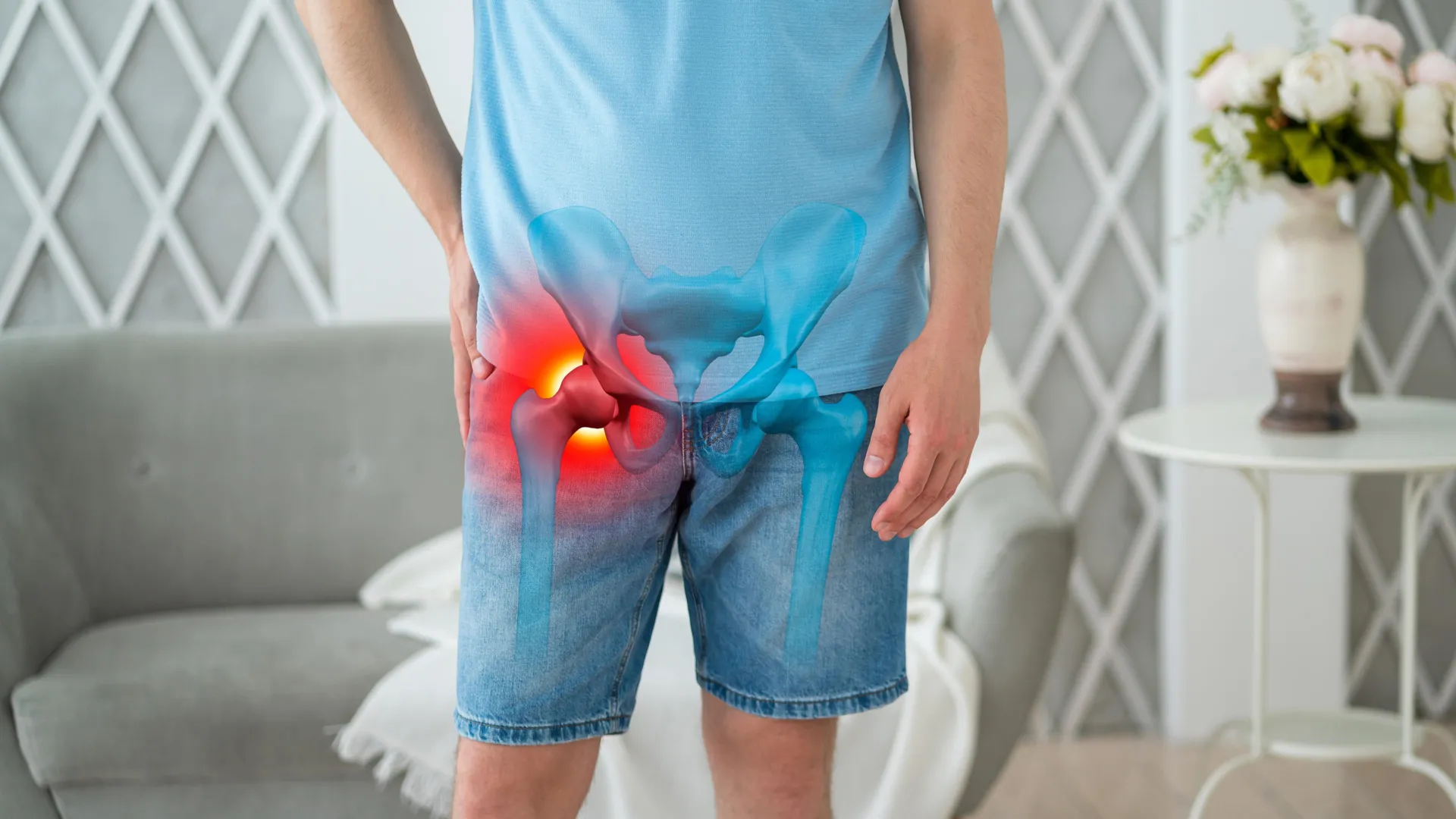
Exercise may provide some relief for people with hip osteoarthritis, but the improvements in pain and physical function may be unnoticeable for many patients in their daily lives, according to a new Cochrane review. The researchers cautioned that stronger evidence is still needed before drawing firm conclusions.
Osteoarthritis of the hip affects millions of people worldwide and is a leading cause of long-term pain and disability. Exercise is generally recommended as one of the first treatments to reduce symptoms and maintain mobility.
The effect of exercise may be small
Researchers from the University of Sydney and the University of Melbourne have found that exercise leads to an average small improvement in pain and physical function in people with hip osteoarthritis. However, those benefits may not be large enough to produce meaningful changes in patients’ daily lives.
This review analyzed 18 clinical trials involving 1,368 participants. This finding may be less applicable to younger adults, as most were female (63%) and ranged in age from 53 to 74 years.
Exercise programs varied widely between studies. They lasted between two and 52 weeks and included strength exercises, aerobic exercise, and a mind-body approach.
Analgesic effect may fall below noticeable level
When exercise was compared to usual care or no treatment, pain was probably reduced by about 7 points on a 100-point scale. Experts generally believe that a reduction of at least 12 points is necessary for patients to notice meaningful improvements in their daily lives.
Physical function followed a similar pattern, with only small increases on average. The researchers noted that the thresholds used to define meaningful improvement were primarily developed from studies with knee osteoarthritis or mixed groups of osteoarthritis patients. Therefore, it may not fully reflect the experience of patients with hip osteoarthritis.
Exercise also appeared to result in little or no improvement in quality of life, regardless of which comparison group was used.
“This review does not overturn the recommendation of exercise as the main treatment for hip osteoarthritis,” said co-lead author Michelle Hall from the University of Sydney. “But it suggests that we need to be honest with patients that the average effect may not be that high, and that better designed trials are needed to understand who benefits most from what types of exercise.”
Exercise is still recommended
The findings do not suggest that exercise is ineffective or that it should no longer be recommended. Physical activity has many health benefits beyond arthritis, is relatively inexpensive, and is unlikely to cause any harm.
Still, most of the studies included in the review were small and unblinded, which may have influenced the results. Participants knew whether they were exercising and reported their pain and function, which may have made the benefits of exercise seem greater than they actually were.
Research on hip osteoarthritis needs to improve
The authors say larger and more carefully designed trials are needed to show what exercise is realistically achievable for people with hip osteoarthritis. Future research should also identify which types of exercise are most effective for specific patients.
Co-lead author Belinda Lawford from the University of Melbourne said there was “no huge amount of evidence”. “Exercise can be the only hope for some people with hip pain, but I don’t want to give patients false hope either. It’s important that future research conducts larger, higher-quality trials to examine specifically what types of exercise work for different people.”
