

Close Menu

    Subscribe to Updates

    Get the latest creative news from FooBar about art, design and business.

    What's Hot

    Making instant judgments about dating apps can hurt your sense of worth as a partner.

    May 14, 2026

    Eli Lilly contributes $50 million to UNICEF’s childhood health initiatives

    May 14, 2026

    Epic, Cleveland Clinic joins CMS preclearance effort

    May 14, 2026
    Facebook X (Twitter) Instagram
    Facebook X (Twitter) Instagram
    Health Magazine
    • Home
    • Environmental Health
    • Health Technology
    • Medical Research
    • Mental Health
    • Nutrition Science
    • Pharma
    • Public Health
    • Discover
      • Daily Health Tips
      • Financial Health & Stability
      • Holistic Health & Wellness
      • Mental Health
      • Nutrition & Dietary Trends
      • Professional & Personal Growth
    • Our Mission
    Health Magazine
    Home » News » Eating ultra-processed foods is associated with increased risk of heart disease
    Discover

    Eating ultra-processed foods is associated with increased risk of heart disease

    healthadminBy healthadminMarch 17, 2026No Comments4 Mins Read
    Eating ultra-processed foods is associated with increased risk of heart disease
    Share
    Facebook Twitter Reddit Telegram Pinterest Email


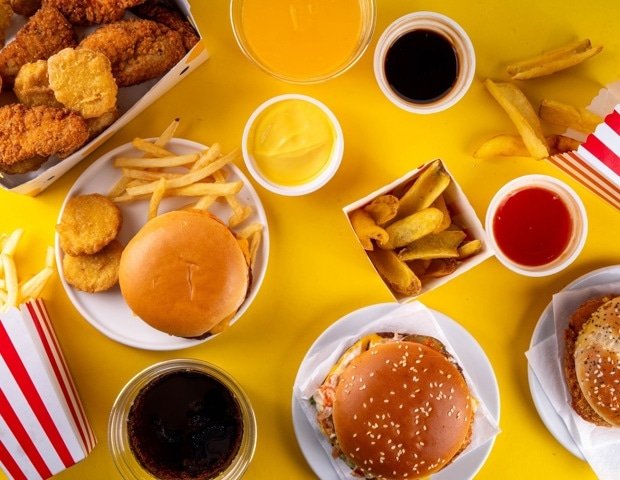
    People who ate an average of nine or more servings of ultra-processed foods a day were 67 percent more likely to have a major cardiac event than those who ate about one serving of such foods a day, according to research presented at the American College of Cardiology’s Annual Scientific Sessions (ACC.26). Ultra-processed foods include many prepackaged convenience foods, such as potato chips, crackers, frozen foods, processed meats, sugar-sweetened beverages, breakfast cereals, and bread.

    Research shows that each additional daily intake increases the risk of adverse events such as heart attack, stroke, and death from coronary heart disease and stroke by more than 5%. The association between ultra-processed food intake and adverse events was more pronounced among black Americans compared to other racial groups.

    Ultra-processed foods are associated with an increased risk of heart disease, and while many of these products may seem like convenient meal or snack options, our findings suggest they should be consumed in moderation. ”

    Amir Haider, M.D., cardiology fellow at the University of Texas Health Science Center at Houston and lead author of the study

    This study is one of the first large-scale studies to examine ultra-processed food consumption and heart disease risk in an ethnically diverse population of U.S. adults. This result is consistent with that of previous studies, most of which were conducted in Europe, and provides additional context for the more diverse U.S. population.

    The study was based on data from 6,814 U.S. adults aged 45 to 84 without known heart disease enrolled in the Multi-Ethnic Atherosclerosis Study (MESA). The researchers used a food questionnaire to assess each participant’s daily intake of ultra-processed foods based on the NOVA classification system. The NOVA classification system classifies foods into four groups, ranging from unprocessed or minimally processed (such as corn on the cob) to ultra-processed (such as corn chips), with more lightly processed items (such as cornstarch and canned corn) falling in between.

    Participants in the highest quintile of ultra-processed food intake ate an average of 9.3 servings of such foods per day, while participants in the lowest quintile ate an average of 1.1 servings per day. Compared with the lowest quintile, participants in the highest quintile were 67% more likely to die from coronary heart disease or stroke, or to experience a nonfatal heart attack, stroke, or resuscitated cardiac arrest.

    “We controlled for a number of factors in this study,” Haidar said. “Regardless of the number of calories consumed per day, regardless of the overall quality of the diet, the risks associated with increased intake of ultra-processed foods were about the same, even after controlling for common risk factors such as diabetes, high blood pressure, high cholesterol, and obesity.”

    Haidar said these findings suggest that ultra-processed foods may contribute to cardiovascular risk through mechanisms beyond excess calories and poor overall diet quality, and suggest that paying attention to how foods are processed, along with their nutrient content, may be important for heart health.

    Overall, each additional daily intake of ultra-processed foods increased the risk of adverse cardiac events by 5.1%. However, this association was even stronger among black Americans, with each additional serving increasing the risk by 6.1%, compared with a 3.2% increased risk per serving among non-blacks. The researchers said food marketing targeting minorities and neighborhood environmental factors that make access to less processed foods difficult are likely contributing to inequalities in ultra-processed food consumption and associated health effects among different racial groups.

    The study had several limitations. Because the MESA study was not specifically designed to collect data on ultra-processed food intake, the researchers said the dietary questionnaire data relied on self-reporting by participants and assessed processed food intake by number of meals rather than individual foods.

    Additionally, although this study did not focus on the biological mechanisms involved, previous research suggests that the satiety and metabolic effects of high energy density, added sugars and fats, and ultra-processed foods promote weight gain, inflammation, and the accumulation of visceral adipose tissue, all of which may contribute to heart disease.

    Haider said one way to reduce risk is to pay attention to the types of foods being consumed and food labels. Nutrition facts labels provide important information about the amount of added sugar, salt, fat, and carbohydrates in each serving. These are often higher in ultra-processed foods compared to less processed foods such as regular oatmeal, nuts, beans, and fresh or frozen foods.

    The ACC has released a concise clinical guidance report for 2025. jack We support a standardized front-of-pack labeling system to ensure that healthier options are more visible, accessible, and achievable for all consumers.

    This study was published simultaneously JACC progress.

    sauce:

    American College of Cardiology

    Reference magazines:

    Haider, A. others. (2026) Association between ultra-processed food consumption and cardiovascular disease risk: MESA (Multi-Ethnic Study on Atherosclerosis). JACC progress. DOI: 10.1016/j.jacadv.2025.102516. https://www.jacc.org/doi/10.1016/j.jacadv.2025.102516


    Source link

    Visited 13 times, 1 visit(s) today
    Share. Facebook Twitter Pinterest LinkedIn Telegram Reddit Email
    Previous ArticleOvercoming Healthcare Access Barriers: The Promise of Digital Health Innovations
    Next Article Blood pressure readings may help identify future dementia risk
    healthadmin

    Related Posts

    Study traces heart disease risk in adults to the womb

    May 14, 2026

    Identify methodological gaps that hinder treatment of chronic diseases caused by infectious diseases

    May 14, 2026

    Thyroid hormone profile provides important prognostic clues for patients facing liver failure

    May 14, 2026

    Scientists confirm methylphenidate is an effective tool to fight chronic cancer-related fatigue

    May 14, 2026

    Study reveals how brain cells process vision among thousands of synaptic inputs

    May 14, 2026

    Breakthrough molecular discovery could neutralize gluten and protect people with celiac disease

    May 14, 2026
    Add A Comment

    Comments are closed.

    Categories

    • Daily Health Tips
    • Discover
    • Environmental Health
    • Exercise & Fitness
    • Featured
    • Featured Videos
    • Financial Health & Stability
    • Fitness
    • Fitness Updates
    • Health
    • Health Technology
    • Healthy Aging
    • Healthy Living
    • Holistic Healing
    • Holistic Health & Wellness
    • Medical Research
    • Medical Research & Insights
    • Mental Health
    • Mental Wellness
    • Natural Remedies
    • New Workouts
    • Nutrition
    • Nutrition & Dietary Trends
    • Nutrition & Superfoods
    • Nutrition Science
    • Pharma
    • Preventive Healthcare
    • Professional & Personal Growth
    • Public Health
    • Public Health & Awareness
    • Selected
    • Sleep & Recovery
    • Top Programs
    • Weight Management
    • Workouts
    Popular Posts
    • 1773313737_bacteria_-_Sebastian_Kaulitzki_46826fb7971649bfaca04a9b4cef3309-620x480.jpgHow Sino Biological ProPure™ redefines ultra-low… March 12, 2026
    • the-pros-and-cons-of-paleo-dietsThe Pros and Cons of Paleo Diets: What Science Really Says April 16, 2025
    • pexels-david-bartus-442116The food industry needs to act now to cut greenhouse… January 2, 2022
    • 1773729862_TagImage-3347-458389964760995353448-620x480.jpgDespite safety concerns, parents underestimate the… March 17, 2026
    • Improve Mental Health10 Science-Backed Practices to Improve Mental Health… March 11, 2025
    • 1773209206_futuristic_techno_design_on_background_of_supercomputer_data_center_-_Image_-_Timofeev_Vladimir_M1_4.jpegMulti-agent AI systems outperform single models… March 11, 2026

    Demo
    Stay In Touch
    • Facebook
    • Twitter
    • Pinterest
    • Instagram
    • YouTube
    • Vimeo
    Don't Miss

    Making instant judgments about dating apps can hurt your sense of worth as a partner.

    By healthadminMay 14, 2026

    Making snap, gut-level judgments about dating apps can leave users feeling worse about themselves than…

    Eli Lilly contributes $50 million to UNICEF’s childhood health initiatives

    May 14, 2026

    Epic, Cleveland Clinic joins CMS preclearance effort

    May 14, 2026

    After 100 years, scientists finally uncover the hidden laws behind cosmic rays

    May 14, 2026

    Subscribe to Updates

    Get the latest creative news from SmartMag about art & design.

    HealthxMagazine
    HealthxMagazine

    At HealthX Magazine, we are dedicated to empowering entrepreneurs, doctors, chiropractors, healthcare professionals, personal trainers, executives, thought leaders, and anyone striving for optimal health.

    Our Picks

    After 100 years, scientists finally uncover the hidden laws behind cosmic rays

    May 14, 2026

    Women score higher than men on fluid intelligence tests when they can express uncertainty.

    May 14, 2026

    Huge ‘stealth’ magma surge triggers thousands of earthquakes beneath Atlantic island

    May 14, 2026
    New Comments
      Facebook X (Twitter) Instagram Pinterest
      • Home
      • Privacy Policy
      • Our Mission
      © 2026 ThemeSphere. Designed by ThemeSphere.

      Type above and press Enter to search. Press Esc to cancel.