


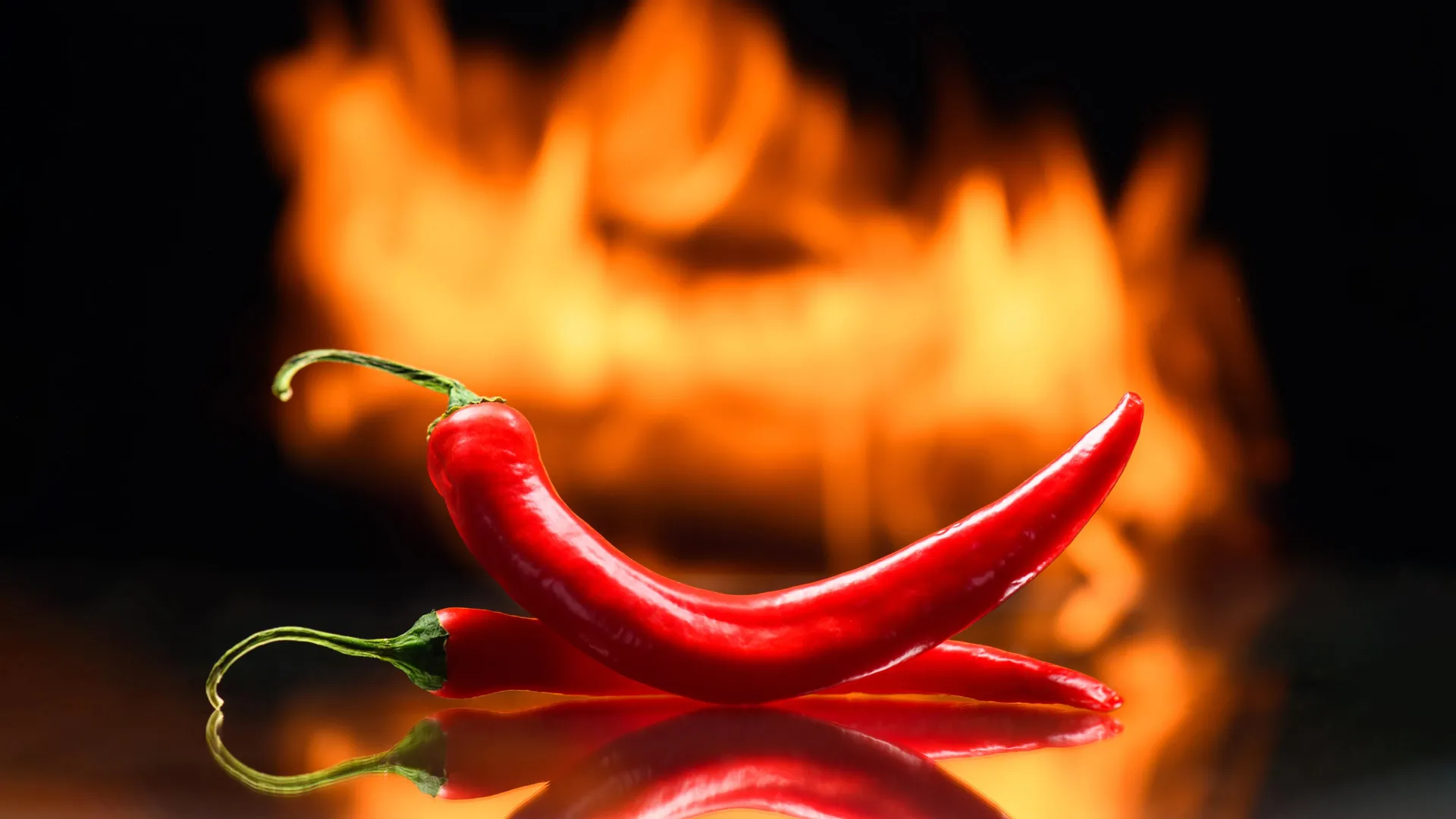
Can eating lots of chili peppers affect your cancer risk? Scientists have been debating this question for years, but the answer is still not simple. Chili peppers contain compounds that have been shown to have anti-inflammatory and even anti-cancer properties in laboratory experiments, but some human studies have linked consumption of very high amounts to an increased risk of certain gastrointestinal cancers.
Extensive review published in Frontiers of nutrition After reviewing the available evidence, we found that people who consume the most chili peppers are more likely to develop certain gastrointestinal cancers, particularly esophageal cancer. At the same time, the researchers stressed that there is no evidence that chili peppers cause cancer and that more rigorous research is still needed.
Learn more about chili peppers and cancer risks
Gastrointestinal cancers include cancers of the esophagus, stomach, colon, or rectum. Together, they account for millions of new cancer diagnoses worldwide each year and remain the leading cause of cancer-related deaths. Because these cancers are often discovered after they are already advanced, scientists continue to explore dietary and lifestyle factors that may influence risk.
Chili peppers are eaten by billions of people every day and are an essential ingredient in the cuisines of Asia, Latin America, Africa, and many other regions of the world. Their characteristic heat comes from capsaicin, a natural compound that activates nerve receptors that sense heat and pain.
Capsaicin has attracted considerable scientific interest. Clinical studies suggest that under certain conditions it may reduce inflammation, affect metabolism, and even kill certain cancer cells. However, other experiments have found that under different circumstances it can promote tumor growth or cause tissue inflammation. This contradictory evidence makes it difficult to determine the overall effect on cancer.
What we learned from the analysis
To better understand this relationship, researchers combined data from 14 observational studies involving more than 11,000 participants, including more than 5,000 people diagnosed with gastrointestinal cancer.
Compared to those who ate the least amount of chili peppers, those who ate the most chili peppers were about 64% more likely to develop gastrointestinal cancer overall.
The strongest association involved esophageal cancer. Those in the highest intake group were almost three times more likely to develop this cancer than those in the lowest intake group.
For other gastrointestinal cancers, the situation was less clear. Researchers found no statistically significant increased risk of stomach or colorectal cancer. The risk of stomach cancer tended to be higher, about 77% higher among heavy chili pepper consumers, but the difference did not reach statistical significance.
Based on their findings, the researchers concluded that the evidence “suggests that chili peppers are a risk factor for certain gastrointestinal cancers (such as EC).”
Why results vary around the world
Findings also varied by region.
Studies in Asia, Africa, and North America generally found an increased risk of cancer among people who consumed the most chili peppers. In contrast, studies in Europe and South America found no increased risk or even lower risk.
Researchers believe that several factors can explain these differences. The average intake of chili peppers varies widely around the world, and cooking methods, chili pepper varieties, genetics, smoking, alcohol intake, and other dietary habits can all affect results. The researchers noted that “geographical region influences the risk of gastrointestinal cancer” and suggested that regional differences should be considered when making dietary recommendations.
Why the esophagus is particularly vulnerable
Scientists have proposed several explanations for why the esophagus is more strongly affected than other parts of the gastrointestinal tract.
Capsaicin activates receptors called TRPV1 receptors, which produce the familiar burning sensation associated with spicy foods. Some researchers suspect that repeated exposure to extremely spicy foods may contribute to chronic inflammation of the lining of the esophagus in susceptible people. Differences in the rate at which cells are repaired and replaced throughout the gastrointestinal tract can also affect how tissues respond over time. These ideas remain hypothetical and unproven.
big picture
Although these findings may sound concerning, they should be interpreted with caution.
All studies included in the review were observational. This means that although the researchers were able to identify a link, they could not determine whether chili peppers themselves caused a higher cancer risk. Other factors such as smoking, alcohol consumption, socio-economic differences, infectious diseases, and overall dietary patterns may also contribute.
Since this review was published, broader analysis continues to paint a different picture. A comprehensive review examining multiple systematic reviews concluded that spicy foods and capsaicin appear to have both potential health benefits and potential risks, depending on the disease studied, intake, and population involved. There is also evidence that spicy foods are associated with a lower risk of cardiovascular disease and premature death, but research on gastrointestinal cancers remains inconsistent.
Researchers say one of the biggest unanswered questions so far is dose. It is still unclear whether moderate chili pepper consumption carries the same risks as seen in the heaviest consumers, or whether there is a threshold beyond which the risks begin to increase.
Future studies that follow people over many years will be needed to determine whether chili peppers themselves play a direct role in cancer development, or whether the observed association is caused by other lifestyle or environmental factors.
