


Critical Health Impacts: Heatwaves, Wildfires, Pollution, and Disease Spread
The climate change and human health nexus manifests starkly in critical environmental health risks, particularly within urban environments where vulnerabilities are heightened. The Lancet Countdown 2025 report reveals alarming trends across 57 indicators monitored by 128 experts.
Heatwaves and Heat-Related Mortality
Heat-related mortality has surged 23% since the 1990s, reaching 546,000 deaths yearly. Extreme heat events overwhelm urban health systems, exacerbating conditions like cardiovascular disease among the elderly and laborers. Urban heat islands intensify this threat, as concrete landscapes trap warmth, pushing temperatures higher than rural areas.
Wildfires and Air Pollution Health Impacts
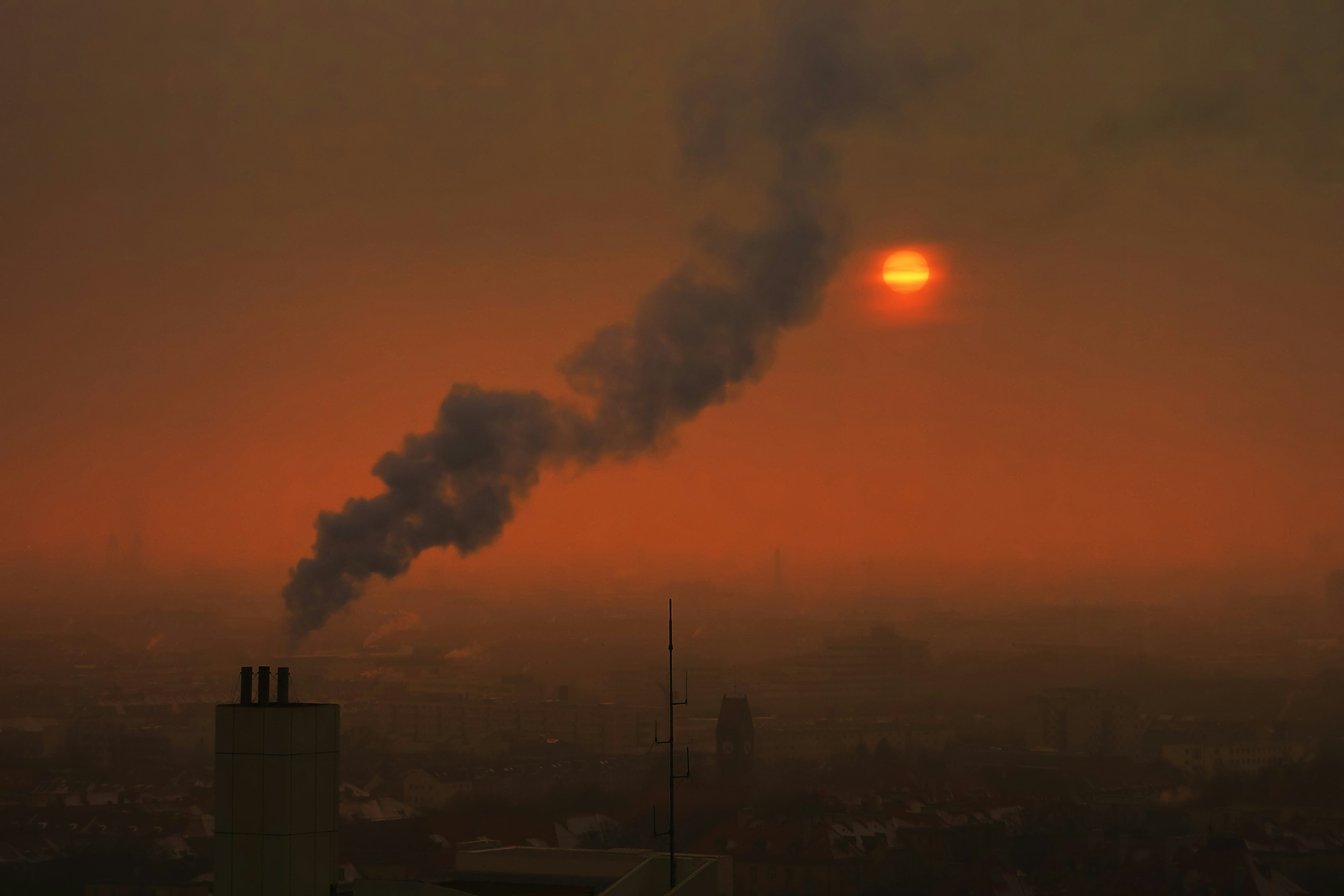
Wildfires contribute to unprecedented air pollution health impacts. In 2024, wildfire smoke-derived PM2.5 caused a record 154,000 deaths globally. Cities in wildfire-prone regions face acute respiratory crises, with fine particulates infiltrating homes and straining public health resources.
Fossil Fuel Health Effects and Pollution
Fossil fuel health effects drive massive mortality: 2.52 million from outdoor air pollution and 2.3 million from household sources in 2022. The WHO attributes 24% of global deaths—13.7 million annually—to modifiable environmental risks, underscoring the climate change and human health crisis.
Disease Spread Acceleration
Climate change and human health intersections fuel disease proliferation. Dengue transmission potential has risen 49% since the 1950s, with warmer climates expanding mosquito ranges into urban centers. This heightens outbreak risks in densely populated areas lacking robust vector control.
Urban planners and public health advocates must confront these intertwined perils through targeted climate adaptation planning, emphasizing the urgent climate health nexus.
Sustainable Solutions: Mitigation Strategies, Adaptation, and Policy Action
Addressing the climate change and human health crisis demands integrated pollution mitigation strategies and sustainability public health initiatives. The Lancet Countdown 2025 report highlights actionable pathways, including mitigation actions yielding health co-benefits like cleaner air and healthier diets.
Mitigation Through Clean Energy Transition
Shifting from fossil fuels curtails fossil fuel health effects, averting 2.52 million outdoor air pollution deaths annually. Countries leading renewable adoption enjoy economic gains; low HDI nations lag at 3.5% renewables versus 12-13% in high HDI counterparts. Urban planners can prioritize low-carbon infrastructure to realize these climate health nexus benefits.
Urban Climate Adaptation Measures
Adaptation planning fortifies resilience. In 2024, 97% of reporting cities completed climate risk assessments, per Lancet data. The WHO emphasizes cross-sector collaboration in energy, transport, and agriculture to prevent 24% of global disease burden from environmental risks.
Policy Actions and Health Co-Benefits
Public health policies accelerate progress, as outlined in Harvard analyses. Initiatives like clean air standards and active transport reduce emissions while enhancing wellbeing. The APA’s 2025 trends urge planners to integrate climate threats into housing and water strategies, mitigating insurance crises and scarcity.
- Promote climate-health education: 66% of public health institutions now provide training.
- Enhance emergency preparedness: 69% of WHO states report high capacity.
- Foster multilevel urban sustainability agendas.
These strategies reduce environmental health risks, embodying climate adaptation planning for sustainable urban futures.
Sources
- https://lancetcountdown.org/2025-report/
- https://www.who.int/health-topics/environmental-health
- https://hsph.harvard.edu/climate-health-c-change/news/improving-climate-action-through-public-health-policy-initiatives/
- https://thecityfix.com/blog/8-signs-2026-isnt-business-as-usual-for-urban-sustainability-agendas/
- https://www.planning.org/planning/2024/dec/7-need-to-know-trends-for-planners-in-2025/
- https://hsph.harvard.edu/climate-health-c-change/news/healthcare-cities-and-climate-change-challenges-and-opportunities/
- https://www.who.int/news/item/02-04-2026-urban-health-leaders-renew-commitment-to-accelerate-life-saving-action-in-cities
- https://nam.edu/product/health-impacts-of-climate-change/
- https://www.epa.gov/research-grants/cumulative-health-impacts-intersection-climate-change-environmental-justice-and-3
- https://www.thelancet.com/journals/lanpub/article/PIIS2468-2667(25)00141-0/fulltext
