


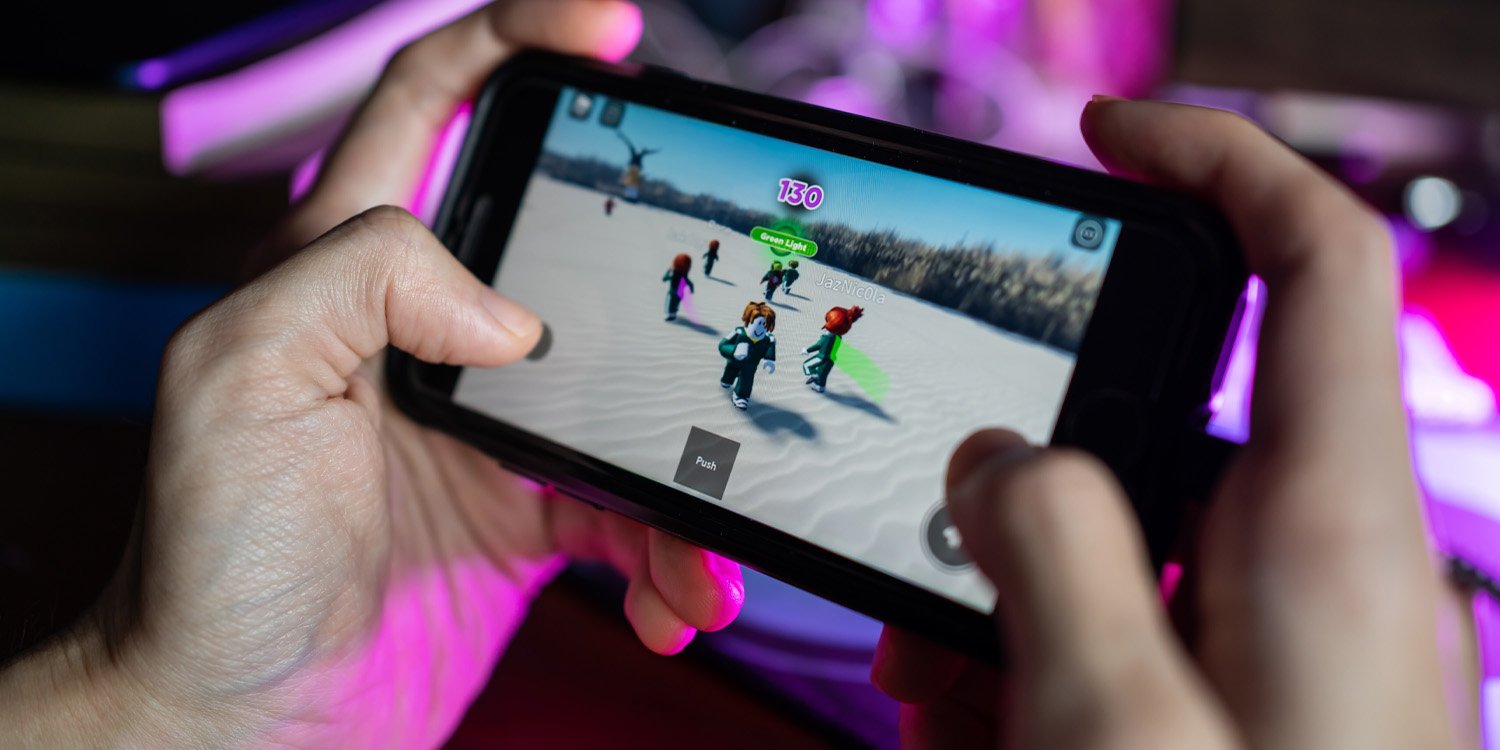
A study of more than 1,000 boys and girls ages 9 to 13 found that those who played the Roblox adventure video game Super U Story had slightly better body satisfaction compared to those who played Rainbow Friends 2 Story immediately after the game. However, changes in body satisfaction did not differ from the group that performed the web-based word search. The paper was published in. Medical Internet Research Journal.
Body satisfaction refers to the degree to which an individual feels positively about his or her appearance and physical characteristics. This includes perceptions, thoughts, and feelings related to your body shape, size, and overall appearance.
Higher body satisfaction increases self-esteem and psychological well-being. It can be influenced by personal experience, cultural norms, and social comparisons. Media representations often play a strong role in shaping body ideals and expectations.
Body satisfaction is not constant and changes over time depending on life circumstances and personal growth. Although it is closely related to body image, it focuses specifically on evaluative emotions rather than just perceptions. Reduced body satisfaction is associated with problems such as anxiety, depression, and disordered eating behaviors.
Study author Nicole Paraskeva and her colleagues wanted to assess the effectiveness of playing a single session of a dedicated Roblox video game on state and trait body image, as well as a variety of other psychological outcomes, in children and adolescents in the United States. To that end, they conducted a study.
Study participants were 1,059 U.S.-based individuals ages 9 to 13. Of these, 460 were girls (and 599 were boys). The average age of the children was 11 years. The study authors recruited them online through their research institutions.
The participating children were randomly divided into three groups, each receiving a different intervention. One group was assigned to play Super U Story, a Roblox game intentionally designed to improve players’ body image. The second group played Rainbow Friends 2 Story, a similar Roblox game. A third group was assigned to complete online word search puzzles, finding as many animal-related words in the puzzles as they wanted for up to 30 minutes. Playing time for both games was also limited to 30 minutes.
Super U Story is a story-based adventure game created in consultation with the study’s authors through an industry-academia partnership between Toya, a game studio that creates video games for the online gaming platform Roblox, and the Dove Self-Esteem Project, the social mission of Unilever’s personal care brand Dove. Intended for children aged 9 to 13.
The story centers on an academy, a school for children developing superpowers, that comes under attack by a group of rogue former students intent on spreading negative ideas. As students progress through the game, they are exposed to psychoeducational content through interactions with non-player characters and pop-up messages on fictitious social media platforms. Importantly, to maintain the entertainment value of the game, participation in most of this educational content was optional. All possible game endings are formulated to reinforce psychological messages (embedded throughout the game) aimed at improving children’s body image.
Participating children completed assessments at three time points: at the beginning of the study (1 week before intervention), at intervention (immediately after playing games and completing word searches), and 1 week after intervention. Immediately before and after game play, child participants answered questions regarding their current body satisfaction (e.g., “How happy do you feel about the way you look right now?”). They also assessed mood, physical function, body self-esteem (using the Body Appreciation Scale for Children), body appreciation (Body Appreciation Scale for Children-2), internalization of appearance ideals (Sociocultural Attitudes toward Appearance Questionnaire), and several other characteristics.
As a result, children who played Super U Story were more likely to report a slight increase in current satisfaction with their body after playing the game compared to children who played Rainbow Friends 2 Story, but not compared to children who completed the word search. The three groups did not differ in post-gameplay mood, bodily function, internalization of appearance ideals, or social media literacy.
Meanwhile, the group that played Rainbow Friends 2 Story showed slight improvements in the traits of body self-esteem and body appreciation at a one-week follow-up compared to the group that played Super U Story. The effect did not depend on the age or gender of the participants.
“Overall, playing Super U Story was not harmful, but there is a lack of evidence to suggest that it improved body image,” the study authors concluded.
This study reveals the impact of playing Super U Stories on children’s body image. However, it should be noted that the reported effects were very small and the time children spent playing the game was very short. The effect may become more noticeable if you play the game for longer periods of time or have repeated sessions. The researchers also suggested that operating an entirely new game requires a high cognitive load, which can distract players’ attention from the educational content. Additionally, passive psychoeducation (just reading pop-up messages) is generally less effective than interactive skill building.
Furthermore, the study authors note that game developers were keen to avoid the “chocolate-covered broccoli” phenomenon, where players abandon the game after perceiving a thinly disguised educational message as essential. Therefore, the intervention message was largely voluntary and may not have been clear enough to provide benefit, especially given the very short playback time and low overall exposure to the message.
The paper, “Assessing the effectiveness of the Roblox video game (Super U Story) in improving body image in U.S. children and adolescents: A randomized controlled trial,” was authored by Nicole Paraskeva, Sharon Haywood, Jason Anquandah, Paul White, Mahira Budhraja, Phillippa C Diedrichs, and Heidi Williamson.
