


A new review of clinical studies suggests that people receiving ketamine for mental health conditions do not face an increased risk of severe bladder and urinary tract problems, at least in the short term. The researchers noted that although these symptoms are common among recreational users, medically monitored doses appear to be much safer. The study results were published in the Journal of Psychopharmacology.
Ketamine was synthesized in the early 1960s as a safer alternative to older anesthetics. The duration of effects was shorter and the risk of delirium was lower. It has been a staple in operating rooms around the world for over 50 years. Today, it is still frequently used by surgeons and trauma specialists to induce unconsciousness and relieve severe pain.
In recent years, the medical community has begun to study this drug for a completely different purpose. Researchers have found that administering small, sub-anesthetic doses to patients can quickly relieve severe psychological distress. It has become a popular option for people with treatment-resistant depression, a diagnosis given when standard oral antidepressants fail to improve a patient’s mood.
Unlike traditional drugs, which slowly accumulate in the brain over several weeks, this treatment can improve symptoms of depression within a day. This drug works by blocking specific receptors in the brain, causing rapid changes in neural circuits. Because of its fast-acting properties, doctors also use it to help patients suffering from post-traumatic stress disorder, severe anxiety, and various substance use disorders.
Alongside its medical development, the drug has a long history of illegal recreational use. Chronic recreational users often take this drug frequently and in large quantities, which can cause severe organ damage. One of the most common physical complications is a condition known as ketamine-induced urotoxicity.
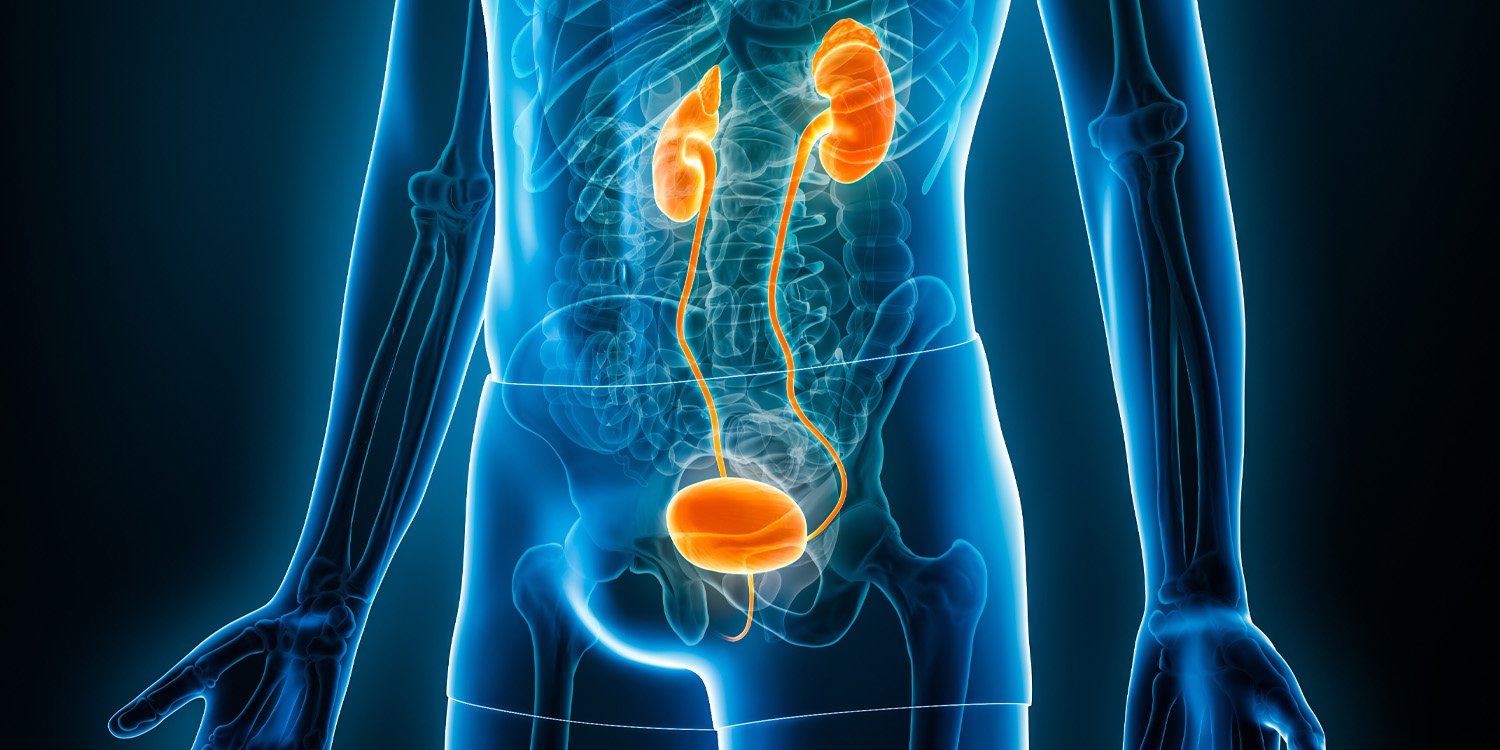
This urological toxicity involves severe damage to the lower urinary tract. This drug may cause the bladder wall to thicken and contract, reducing the organ’s capacity. Patients with this disease experience a constant urge to urinate, pelvic pain, and blood in the urine. In the most severe cases, chronic exposure causes cell death in the urinary tract and chronic kidney failure.
The effects of a single dose of antidepressants usually wear off after a few days, so psychiatric patients require repeated treatments to maintain recovery. Standard clinical protocols often include an intense acute phase with multiple doses per week, followed by a maintenance phase in which patients receive the drug every few weeks. In treatment-resistant cases, this maintenance phase can last many years.
This repeated dosing schedule reflects the chronic exposure seen in recreational users. Doctors have expressed concern that psychiatric patients could eventually develop similar bladder and kidney complications. To investigate this risk, lead author Jess Carr Gaffney, a researcher at King’s College London, and a team of colleagues conducted a systematic review of existing medical literature.
A systematic review involves pooling all available published studies on a particular topic to identify overall trends. The researchers searched multiple medical databases for clinical trials and observational studies testing the drug in adults with mental illness. They specifically looked for studies that recorded urinary, bladder, or kidney symptoms.
Researchers found 27 studies in the vast medical literature that matched their exacting criteria. The majority of these studies analyzed patients suffering from severe depressive disorders. The remaining few were seeing patients with chronic trauma or general anxiety.
Across the 27 studies, the proportion of urinary symptoms reported was highly variable. The proportion of patients reporting problems ranged from zero to nearly 25 percent. When symptoms occurred, patients typically described their symptoms as mild or moderate in severity.
The most common complaint was increased frequency of urination. Other patients reported symptoms such as a burning sensation while urinating, difficulty emptying the bladder, and unusually large amounts of urine. A small number of patients developed bacterial urinary tract infections during treatment.
To determine whether the drug was indeed to blame, the researchers compared a treatment group to a control group. In the randomized controlled trials they reviewed, the rates of urinary complaints in patients taking the drug were usually the same as or lower than the rates seen in control groups. Control groups usually received an inactive placebo or alternative drug.
There were some minor exceptions to the data. Esketamine is a purified, highly potent variant of the drug that is delivered by nasal spray. In three trials testing this nasal spray, patients reported urinary symptoms at a slightly higher rate than those taking a placebo, but the results were not statistically significant. Another trial showed that patients who received flexible, varying doses reported slightly more side effects than those who were given a strict schedule.
Some of the studies reviewed took a more objective approach, testing patients’ urine in a laboratory. Scientists tested the urine for microscopic warning signs such as floating red blood cells, white blood cells, and elevated protein content. These continuous laboratory measurements are stable throughout the treatment schedule and show no hidden signs of cell damage.
Despite these encouraging results, the research team highlighted some serious limitations in the available evidence. The most notable problem concerns the short durations used in modern clinical trials. Median follow-up across reviewed studies was only 4 weeks.
When used for recreational purposes, toxicity typically develops after chronic exposure to chemicals over months or years. It is very unlikely that a patient starting a new psychiatric treatment will develop visible bladder damage within 1 month. In the entire review, only 5 studies followed patients for more than 6 months. Based on this limited data, the researchers concluded that there is not enough evidence to ensure that long-term maintenance therapy is completely safe for the bladder.
The review also found major flaws in how physical safety is monitored in clinical trials. Eleven of the included studies did not use structured assessments of urinary health. They simply used passive monitoring, meaning that doctors waited for patients to voluntarily complain about side effects.
Passive tracking is often insufficient to detect gradual organ damage. Patients may dismiss mild bladder irritation as a natural sign of aging or may not connect it with mental health treatment. Unstructured monitoring can underestimate the true physical risk.
When assessing the quality of the data, the review team found further issues. Only 15% of included studies were rated as having low risk of bias. Many trials were not blinded, meaning patients knew they were receiving an effective and powerful drug.
This lack of blindness is dangerous because this drug acts as a very effective painkiller. If the drug is actively numbing the body, patients may not feel the subtle early pain of bladder inflammation. If a patient’s pain receptors are blocked, subjective questionnaires can completely miss the early stages of tissue damage.
These blind spots in the medical literature have become a pressing problem due to changes in modern medicine. Telemedicine platforms and medical startups are now offering at-home treatment for a variety of mental health conditions. Patients increasingly receive these prescriptions by mail and take them outside of the direct supervision of traditional clinical settings.
Many of these household chemical preparations are not officially approved by the Food and Drug Administration. Patients using unregulated products at home may be taking the drug for long periods of time without systematic safety testing. This creates a scenario where early signs of organ damage may be completely ignored.
Going forward, the research team recommended that all future clinical trials include active and mandatory screening for urinary tract side effects. Clinic staff should utilize a standardized bladder pain questionnaire weekly to track subtle changes in patient comfort. Reliance on patients spontaneously reporting pain is no longer considered an adequate safety measure.
They also suggested conducting regular clinical tests before and after treatment sessions. Microscopic biomarker checks are an inexpensive, non-invasive way to detect invisible tissue damage before patients experience physical discomfort. Adding these objective measurements will greatly improve the accuracy of safety monitoring and help protect vulnerable psychiatric patients from long-term harm.
The study, “Urinary symptoms after ketamine treatment for psychiatric disorders: a systematic review,” was authored by Jess Kerr-Gaffney, Anna Tröger, Alice Caulfield, Philipp Ritter, James Rucker, and Allan H. Young.
