


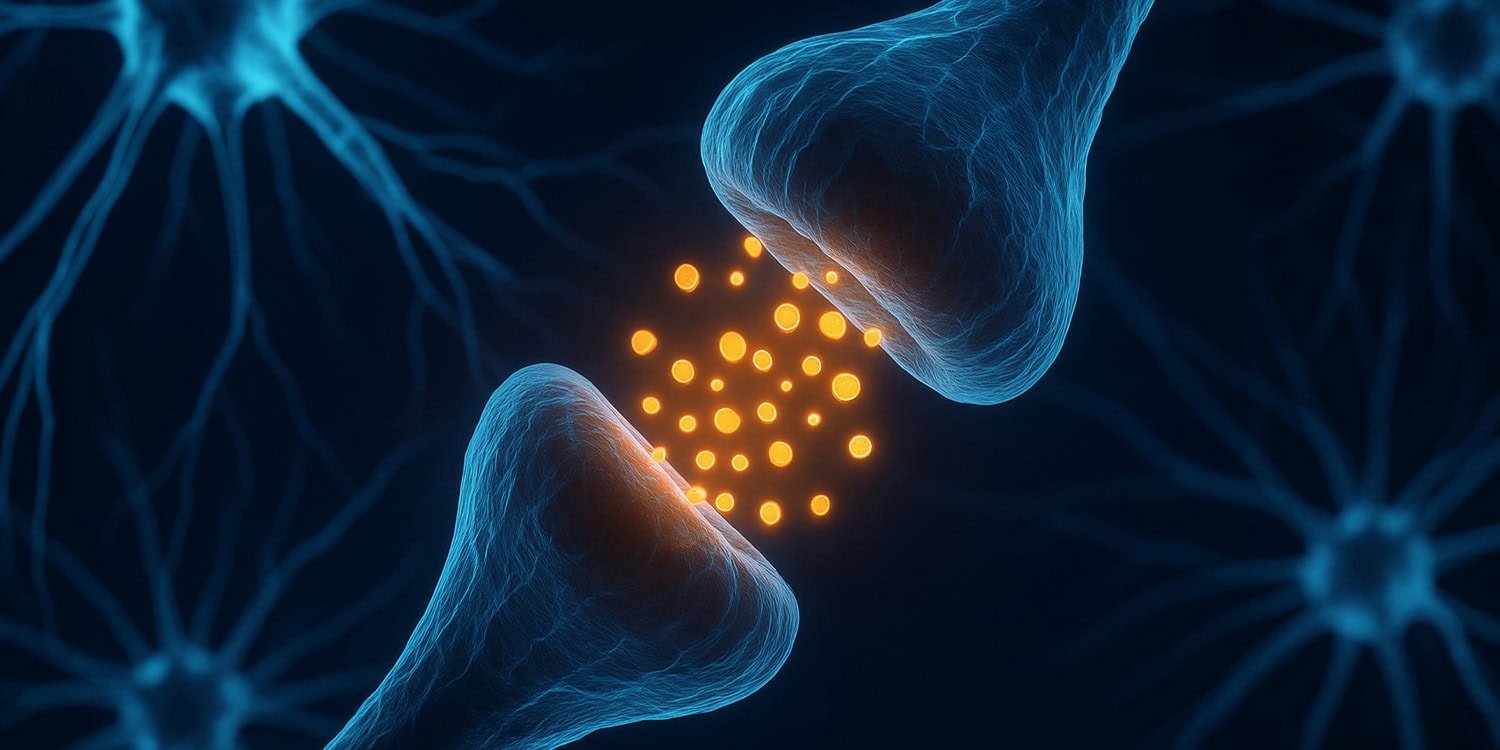
Long-term exposure to nicotine not only increases the desire for the drug itself, but also rewires certain brain circuits, dramatically increasing motivation to work for food. These findings help explain how tobacco use alters how individuals perceive natural rewards and point to potential mechanisms behind non-drug behavioral problems such as overeating and gambling in smokers. The study was published in the journal biological psychiatry.
The brain processes motivation and reward through a network of specialized areas that communicate via chemical messengers. Dopamine is the most prominent of these messengers. It is primarily produced by a cluster of cells known as the ventral tegmental area. When a person or animal encounters a rewarding stimulus, these cells release dopamine to other parts of the brain, reinforcing the behavior and prompting the individual to seek that reward again.
Researchers have extensively studied how addictive drugs interact with this system. Nicotine, the main addictive substance in cigarettes, closely resembles a naturally occurring chemical messenger called acetylcholine. By mimicking acetylcholine, nicotine artificially stimulates dopamine-producing cells in the ventral tegmental area, starting the cycle of addiction.
In a healthy brain, acetylcholine is delivered to the ventral tegmental region by an adjacent brain region called the posterior operculum. This pathway functions as a regulatory system. This helps fine-tune the activity of dopamine neurons, ensuring that individuals have the right level of motivation to pursue everyday necessities such as food and water.
Past research has focused on how nicotine causes the urge to seek more nicotine. Little is known about how chronic nicotine intake alters the brain’s baseline perception of natural non-drug rewards. Neuroscientist Renan C. Campos and a team of researchers at the University of Bordeaux designed a study to precisely determine how long-term exposure to nicotine changes the underlying structure of these motivational circuits.
The researchers gave male mice gradually increasing amounts of nicotine in their drinking water for six weeks. Another control group received water sweetened with saccharin. After the exposure period ended, mice underwent operant conditioning training. In these sessions, the animals learned to press a small lever in the cage to receive highly palatable food pellets.
To accurately measure motivation, the team used a behavioral assessment called the Progressive Ratio Test. In this setting, the effort required to obtain a single food pellet increases steadily. For example, a mouse must first press the lever once, then three times, then seven times, and so on, to retrieve a pellet. This test measures the breaking point, which is the maximum amount of effort an animal can exert before giving up.
Mice that received nicotine were highly motivated. They pressed the active lever over and over again, reaching a much higher breaking point than control animals. Mice exposed to nicotine also showed shorter pauses between bouts of compression and frantic and highly energetic pursuit of food rewards.
Motivation is generally divided into two distinct psychological experiences: the desire to obtain something and the physical enjoyment of consuming it. To determine whether the mice exposed to nicotine simply enjoyed the taste of the food more, the researchers gave the mice ad libitum bowls containing the same palatable pellets in their home cages. When no effort was required, the nicotine-exposed mice actually ate fewer pellets than the control group. This result indicates that chronic nicotine does not enhance the physical pleasure of eating, but instead amplifies the drive for reward.
To figure out how the brain generates this extra drive, Campos and his colleagues examined the ventral tegmental area using a technique called patch-clamp electrophysiology. This method allows scientists to record tiny electrical currents flowing through individual neurons. They found that dopamine cells in mice exposed to nicotine became less responsive to natural acetylcholine signals.
Over time, the continued presence of nicotine caused the receptors on dopamine neurons to enter a state of desensitization. As the normal excitatory signals from acetylcholine became dulled, a broader communication network tried to compensate. This compensation resulted in a hyperactive state of dopamine neurons. They fired more often, strengthening connections with other excitatory signals and creating an environment primed for hyper-motivation.
The researchers then looked at acetylcholine-producing cells in the dorsal tegmentum to see if the dysregulation was caused there. They used chemical genetics, a technique that inserts artificial receptors into specific neurons. Scientists can then use engineered chemicals to turn targeted neurons on or off, like a light switch.
When the researchers artificially increased the activity of acetylcholine neurons in the ventral tegmental area, the frantic food-seeking behavior of mice exposed to nicotine completely disappeared. Lever push and braking points are back to normal levels. Conversely, when researchers silenced these neurons, the over-motivation became even worse. This demonstrated that acetylcholine signals from the posterior operculum function as a regulatory brake on motivation and that nicotine impairs this brake.
To find the root cause of the attenuation of acetylcholine signals, the researchers looked further upstream at a structure called the lateral habenula. The lateral habenula is a small brain region recognized as a major hub for processing emotional reactions, disappointment, and avoidance of negative outcomes. It sends an instruction signal directly to the posterior operculum.
To see if nicotine physically altered this particular connection, the researchers used array tomography. This advanced imaging technique involves cutting brain tissue into ultrathin slices and reconstructing them in three dimensions. This allows scientists to observe structural changes at tiny junctions between neurons known as synapses.
Imaging studies revealed physical deterioration of the pathway connecting the lateral habenular nucleus to the posterodorsal tegmentum. In mice exposed to nicotine, the number of synaptic connections connecting the two regions was significantly reduced. The physical head of the remaining joint also becomes smaller, a structural sign of a weaker connection. Because the lateral habenula could no longer efficiently send excitatory signals to the posterodorsal tegmentum, the downstream acetylcholine brake failed.
The research team conducted a final chemical genetics experiment to confirm this sequence of events. These specifically stimulated weakened connections originating from the lateral habenula. By artificially reinforcing this top-down command signal, the researchers were able to restore normal behavior and completely reverse the hyper-motivation caused by chronic nicotine.
This series of neural events provides an explanation for why smokers have difficulty seeking lasting, inflexible rewards in other areas of life. However, the researchers report that their study has limitations. Experiments were performed on male mice only.
Biological sex is known to influence brain chemistry, hormonal responses, and the specific way animals and humans respond to addictive substances. Future studies should replicate these cellular and behavioral findings in female mice to determine whether these circuit changes are universal. Expanding this understanding may ultimately help develop targeted treatments for a variety of mental health problems associated with long-term smoking.
The study, “Nicotine disrupts top-down habenular control of cholinergic input to the ventral tegmental area and increases the motivational valence of food rewards,” was authored by Renan C. Campos, Fabio Marti, Diana Rigoni, Hugo Fofo, Paula Pousinha, Vanesa Ortiz, Léa Royon, Marion Violain, Nicolas Heck, Philippe Faure, and Mariano. Soyza-Reilly, Sebastian P. Fernandez, and Jack Barrick.
