

Close Menu

    Subscribe to Updates

    Get the latest creative news from FooBar about art, design and business.

    What's Hot

    Butter and margarine are similar, but their chemistry changes everything

    June 26, 2026

    Industry Voices — 3 healthcare takeaways from the Pope’s AI encyclical

    June 26, 2026

    A new psychology study finds that just being reminded of God makes you want to eat junk food

    June 26, 2026
    Facebook X (Twitter) Instagram
    Facebook X (Twitter) Instagram
    Health Magazine
    • Home
    • Environmental Health
    • Health Technology
    • Medical Research
    • Mental Health
    • Nutrition Science
    • Pharma
    • Public Health
    • Discover
      • Daily Health Tips
      • Financial Health & Stability
      • Holistic Health & Wellness
      • Mental Health
      • Nutrition & Dietary Trends
      • Professional & Personal Growth
    • Our Mission
    Health Magazine
    Home » News » Breastfeeding is associated with longer sleep duration in 1-year-olds
    Discover

    Breastfeeding is associated with longer sleep duration in 1-year-olds

    healthadminBy healthadminJune 26, 2026No Comments4 Mins Read
    Breastfeeding is associated with longer sleep duration in 1-year-olds
    Share
    Facebook Twitter Reddit Telegram Pinterest Email


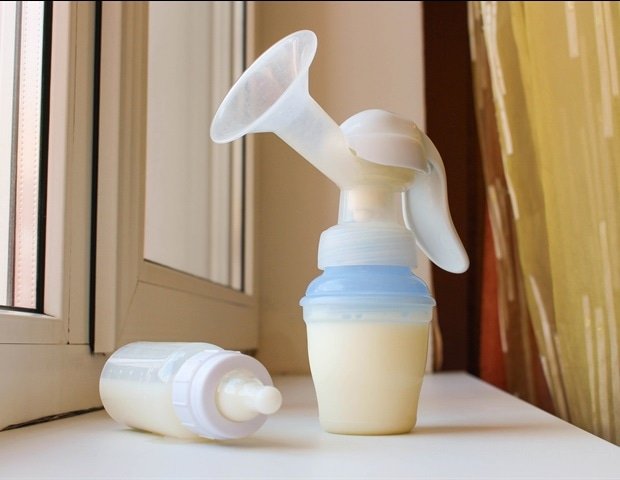
    The World Health Organization (WHO) recommends exclusive breastfeeding for the first six months of life, as breastfeeding has many proven benefits, including preventing infections and supporting long-term healthy development. However, there is still a common perception among parents and caregivers that breastfed infants sleep less and require more frequent feedings than formula-fed infants. Short sleep duration in infancy is also associated with obesity, behavioral problems, and later cognitive decline. Adequate sleep during this period is therefore considered important for healthy physical and mental development. Although infants are known to sleep longer and more often over time, some caregivers choose to feed with formula due to concerns about their child’s sleep.

    To better understand the relationship between infant feeding and sleep, Yuri Nakagawa, a postdoctoral researcher at the University of Toyama in Japan, and colleagues analyzed data from the nationwide Japan Environment and Children’s Survey (JECS), one of the world’s largest birth cohort studies. The study looked at 82,918 mother-infant pairs and investigated whether feeding habits during the first six months of life were associated with sleep duration at one year of age. The survey results are European Journal of Clinical Nutrition March 31, 2026.

    ”Breastfeeding is widely promoted by the WHO and most people are aware of the many health benefits it provides. Nevertheless, the perception that breastfed infants sleep less or that formula-fed infants sleep more remains common. We wanted to provide hard evidence to dispel this misconception.” said Nakagawa, lead author of the study.

    At 6 months of age, mothers were given a questionnaire asking about their breastfeeding habits during the first 6 months for their baby. The children were then divided into four groups according to their feeding method. The first group consisted of infants fed exclusively with formula. The second group included infants younger than 6 months who had been breastfed. The third group included infants who were breastfed for six months while also receiving formula supplementation. The fourth group consisted of infants who were exclusively breastfed for 6 months. When the children reached one year of age, parents completed another questionnaire reporting their children’s sleep duration. Based on the recommendations of the National Sleep Foundation, children who slept less than 11 hours per day were considered to have insufficient sleep.

    All breastfed groups were shown to be less likely to be sleep deprived compared to infants who were exclusively formula fed. Infants who were exclusively fed formula for the first 6 months had a 12.2% chance of short sleep duration, whereas infants who were breastfed for less than 6 months had a risk of only 10.2%. If the child was exclusively breastfed for six months and fed formula, the risk was further reduced to 9.7%. Babies who were exclusively breastfed for the first six months had the lowest risk of sleep deprivation at 1 year of age, at 8.8%. After adjusting for a wide range of maternal, infant, and environmental factors, infants who were exclusively breastfed for six months were 23% less likely to sleep less than infants who were exclusively fed formula. The findings also showed a graded association, with longer breastfeeding periods decreasing the likelihood of shorter sleep duration over time.

    ”This study provides reassurance to the common perception that breastfed babies sleep less because breast milk is digested more quickly.” says Nakagawa.Our findings suggest that such concerns should not prevent parents from considering breastfeeding and its many well-established benefits.” she added.

    The researchers proposed several possible explanations. While the nutritional composition of formula is relatively constant, the nutritional composition of breast milk adapts to the changing needs of the infant. To help establish and regulate your baby’s body clock and sleep-wake cycle, melatonin, a hormone that helps you fall asleep and improve sleep quality, is secreted into your breast milk at night. Newborns produce only small amounts of their own melatonin, so melatonin from breast milk may support the development of healthy sleep rhythms. Additionally, breast milk contains tryptophan, an amino acid used in the production of melatonin. Interestingly, tryptophan concentrations in breast milk have been found to be higher at night.

    Additionally, there is growing evidence supporting the gut-brain axis, a communication network linking gut bacteria and brain function. Breastfeeding is known to have a positive impact on the development of the gut microbiota in healthy infants. Differences in the gut microbiota between breastfed and formula-fed infants may also contribute to the development of healthy sleep-wake patterns and sleep quality.

    sauce:

    Reference magazines:

    Yuya Nakagawa others. (2026). Breastfeeding and children’s sleep duration at 1 year of age: National Birth Cohort – Japanese Environment and Children Survey. European Journal of Clinical Nutrition. DOI: 10.1038/s41430-026-01718-1. https://www.nature.com/articles/s41430-026-01718-1


    Source link

    Visited 3 times, 3 visit(s) today
    Share. Facebook Twitter Pinterest LinkedIn Telegram Reddit Email
    Previous ArticleArtificial intelligence improves diagnostic accuracy in clinical breast pathology
    Next Article Engineered CAR T cells successfully target bladder cancer in mice
    healthadmin

    Related Posts

    Breastfeeding for up to 6 months is associated with lower ADHD risk

    June 26, 2026

    Engineered CAR T cells successfully target bladder cancer in mice

    June 26, 2026

    Artificial intelligence improves diagnostic accuracy in clinical breast pathology

    June 26, 2026

    The effects of climate change on pollen levels are already being felt

    June 26, 2026

    Smart nanoplatform harnesses wound acidity to promote healing

    June 26, 2026

    Innovation Avenue NEW

    June 26, 2026
    Add A Comment
    Leave A Reply Cancel Reply

    Categories

    • Daily Health Tips
    • Discover
    • Environmental Health
    • Exercise & Fitness
    • Featured
    • Featured Videos
    • Financial Health & Stability
    • Fitness
    • Fitness Updates
    • Health
    • Health Technology
    • Healthy Aging
    • Healthy Living
    • Holistic Healing
    • Holistic Health & Wellness
    • Medical Research
    • Medical Research & Insights
    • Mental Health
    • Mental Wellness
    • Natural Remedies
    • New Workouts
    • Nutrition
    • Nutrition & Dietary Trends
    • Nutrition & Superfoods
    • Nutrition Science
    • Pharma
    • Preventive Healthcare
    • Professional & Personal Growth
    • Public Health
    • Public Health & Awareness
    • Selected
    • Sleep & Recovery
    • Top Programs
    • Weight Management
    • Workouts
    Popular Posts
    • 1773313737_bacteria_-_Sebastian_Kaulitzki_46826fb7971649bfaca04a9b4cef3309-620x480.jpgHow Sino Biological ProPure™ redefines ultra-low… March 12, 2026
    • pexels-david-bartus-442116The food industry needs to act now to cut greenhouse… January 2, 2022
    • 1773729862_TagImage-3347-458389964760995353448-620x480.jpgDespite safety concerns, parents underestimate the… March 17, 2026
    • 1773209206_futuristic_techno_design_on_background_of_supercomputer_data_center_-_Image_-_Timofeev_Vladimir_M1_4.jpegMulti-agent AI systems outperform single models… March 11, 2026
    • 1774403998_image_28620e4b6b0047f7ab9154b41d739db1-620x480.jpgGait pattern helps distinguish between Lewy body… March 24, 2026
    • Leukemia-620x480.jpgBiomimetic platform powers CAR T therapy for… March 9, 2026

    Demo
    Stay In Touch
    • Facebook
    • Twitter
    • Pinterest
    • Instagram
    • YouTube
    • Vimeo
    Don't Miss

    Butter and margarine are similar, but their chemistry changes everything

    By healthadminJune 26, 2026

    My mother loves butter. It’s the main fat I ate growing up. She spread it…

    Industry Voices — 3 healthcare takeaways from the Pope’s AI encyclical

    June 26, 2026

    A new psychology study finds that just being reminded of God makes you want to eat junk food

    June 26, 2026

    From pets to pests, goldfish can disrupt entire ecosystems

    June 26, 2026

    Subscribe to Updates

    Get the latest creative news from SmartMag about art & design.

    HealthxMagazine
    HealthxMagazine

    At HealthX Magazine, we are dedicated to empowering entrepreneurs, doctors, chiropractors, healthcare professionals, personal trainers, executives, thought leaders, and anyone striving for optimal health.

    Our Picks

    From pets to pests, goldfish can disrupt entire ecosystems

    June 26, 2026

    Positive life events shape adolescent development more than previously thought

    June 26, 2026

    Breastfeeding for up to 6 months is associated with lower ADHD risk

    June 26, 2026
    New Comments
      Facebook X (Twitter) Instagram Pinterest
      • Home
      • Privacy Policy
      • Our Mission
      © 2026 ThemeSphere. Designed by ThemeSphere.

      Type above and press Enter to search. Press Esc to cancel.